The Lost Art of Valuing What We Have
Shifting our culture from constant upgrading to respecting the physical materials we hold and the hard-earned money we spent to get them.
The Lost Art of Valuing What We Have
Shifting our culture from constant upgrading to respecting the physical materials we hold and the hard-earned money we spent to get them.
Our parents taught us to look after things. A torn schoolbag was patched and not thrown. Radios, clothes, shoes and furniture were fixed, when broken and not thrown away.
When clothes tore, they did not buy a new outfit. They knew how to stitch the torn part or make small changes so we could keep wearing them. Even when a slipper broke, it went to the cobbler.

If we outgrew a cycle, it was passed down to a younger sibling. Dresses were altered so they could be worn again. Even school books were handed over to the next child in the family. Even the blank pages at the end of old notebooks were stitched together and reused for rough writing.
Repairing things was a normal part of daily life. It taught us patience, respect, and the value of money. More importantly, it gave us an emotional connection. We cared for what we owned because we remembered the effort put into keeping it alive.
The Trap of Smart Gadgets
Somewhere along the line, We stopped looking at things for their actual use and started viewing them as status symbols. Buying the latest model or the newest brand became a way to show off success. On the flip side, repairing something old started to feel embarrassing.
Companies didn’t just notice this shift, they actively drove, accelerated, and acted as a catalyst to this new attitude just to make their financial top lines look better. They began designing products that are intentionally meant to be thrown away, forcing a cycle of constant replacement. This doesn’t just happen with technology. It happens with almost everything we buy.
The trap begins the moment we buy into these modern gadgets. Initially, they appear affordable, sleek, and innovative. Soon after, however, we find ourselves entirely locked into their ecosystems, unable to maintain, upgrade, or even fully use the product without constantly paying more. This is not an accidental design flaw, companies build them this way by intention.
Companies deliberately structure their products to lock you into a cycle of ongoing costs. The initial purchase is just the hook, the real expense follows.
- Healthcare Monitors: Blood sugar or glucose monitors are often sold cheaply, but they require proprietary test strips to function. These strips are bundled in ridiculously high quantities, forced at premium prices, and embedded with artificial expiry targets. Once that software-enforced date passes, the monitor simply refuses to read them, forcing you to throw away perfectly good medical supplies and spend more hard-earned money.
- Smart Toothbrushes & Razors: The baseline handles are sold at a discount, but proprietary replacement heads are priced at a massive premium.
- Smartwatches & Smartphones: Batteries are intentionally sealed away behind industrial glue and custom screws. A simple wear-and-tear issue forces a complete device replacement.
- Printers: The hardware is practically given away, while a single set of official replacement ink cartridges can easily cost more than the machine itself.
- Kitchen Appliances: Basic coffee makers and modern food processors are built with highly specific, rare plastic components. When a single internal gear snaps, finding a spare part is nearly impossible, making total replacement the only option.
- Washing Machines: Traditional appliances relied on durable mechanical parts that could be repaired by a local technician. Modern versions are packed with sensitive, unshielded digital sensors. If one minor electronic chip glitches, it bricks the entire machine.
The entry point is made cheap and seamless, but the exit is restricted. Once you cross the threshold, your hard-earned money is drained through a constant stream of mandatory accessories, forced hardware upgrades, and proprietary replacements.
The Illusion of the Upgrade
Companies convince us that older products are useless. But often, the problem is small.
- The Component Swap: A phone slows down mostly because the battery gets weak. Replace the battery, and it feels new again.
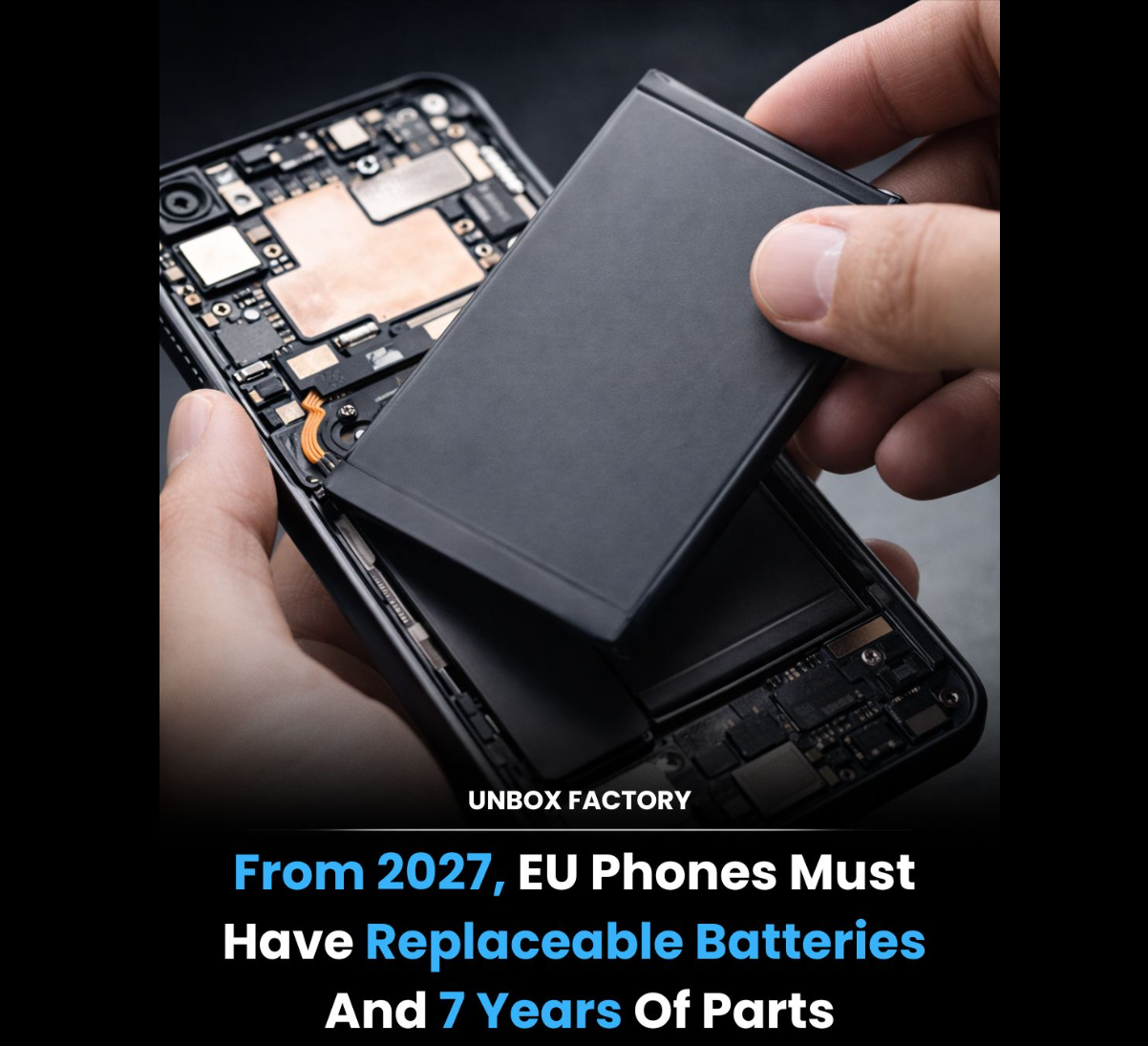
- Underutilization: If you only use your laptop for typing and videos, you are not even using half its power. Why buy a new one?
- Fast Fashion and Footwear: Clothes and shoes are made from cheap materials that tear quickly. They are stitched in ways that make repair almost impossible.
Upgrading does not always mean progress. Sometimes it is just a waste.
The Right to Repair Act

The Right to Repair Act is a law that gives people the right to fix their own devices.
In the European Union, companies must provide spare parts and repair information.
In France, products even carry a repairability score.
In the United States, states like New York and California passed laws forcing companies to open repair options.
These steps make repairs cheaper and more accessible. But in many countries, including India, the repair culture is still weak. Laws alone cannot save it unless we also teach repair skills to the next generation.
Why We Need Self‑Repair
To make repairs practical, we need fair and easy options.
The Right to Self‑Repair and Reuse: If you buy a product, you should have the right to open it, fix it, or adjust it without fear.
Making Repair and Reuse Cool Again
I’m not talking about reusing single-use plastics. I’m talking about giving durable products a longer life.
The products that still have value, and extending their life reduces waste without compromising safety.
Every time we replace an item, we harm the planet and landfills overflow with waste.
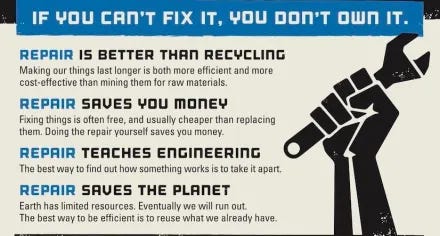
Benfites of Repairing
True style is not about buying every new product. True style is about caring for what you already have. A patched jacket, a refreshed laptop battery, or a stitched bag is not old‑fashioned. It is smart, conscious, and respectable. It shows that you control your lifestyle, not the brands.
We Can Still Bring It Back
Repair culture does not return overnight. But small changes matter.
- Value utility over trends: Before upgrading, ask yourself if you are actually using your current device to its fullest.
- Swap the battery, not the phone: Learn simple upgrades before falling for an exchange offer.
- Wear your repairs with pride: A stitched bag or a mended shoe tells a story of care and sustainability. Not everything broken needs to be thrown away. Some things deserve another chance.
Our parents saw value until the end of a product’s useful life. We often see value only until the next version arrives.
Conclusion
Repair is care. Replacement is convenient. Smart gadgets may look modern, but they trap us into endless buying. The Right to Repair Act is one way to fight back, but we must also bring back the repair culture at home.
💭 Have you ever upgraded a device only to realize your old one was fine after a small fix? What is the one item you saved by repairing instead of replacing? Share your stories below!!!
OldHabitsForgotten #RepairCulture #RightToRepair #SmartGadgets #Sustainability #ThinkBeforeYouReplace #MindfulConsumerism
메타데이터
- post_id
- 4e45d7d65148
- slug
- the-lost-art-of-valuing-what-we-own-4e45d7d65148
- url
- https://medium.com/@suganthikrishnan/the-lost-art-of-valuing-what-we-own-4e45d7d65148
- canonical_url
- https://medium.com/@suganthikrishnan/the-lost-art-of-valuing-what-we-own-4e45d7d65148
- author_url
- https://medium.com/@suganthikrishnan
- status
- ok
- fetched_at
- 2026-06-27 18:20:27





