NetBackup 11.2 Lands, and the Real Pain Is What Comes After the Upgrade
The Upgrade Nobody Can Ignore
NetBackup 11.2 Lands, and the Real Pain Is What Comes After the Upgrade
The Upgrade Nobody Can Ignore
NetBackup 11.2 is out, and for NBU users, that single line can hit like a calendar invite you didn’t ask for. On paper, a new release should feel clean: new features, key updates, a fresh reason to believe the platform is moving forward. But anyone who has lived inside backup infrastructure knows the truth is messier. A release announcement doesn’t just mean “what’s new?” It means testing windows, compatibility checks, upgrade debates, restore anxiety, and that quiet fear every admin knows too well: what happens when the business asks for data back right now?
Some users will see 11.2 as a strong signal that NetBackup is still being actively pushed and polished. “At least the product is moving,” one person might say. That camp wants the updates, wants the vendor roadmap, and wants to stay close to the supported path. They’ve invested years into policies, storage units, deduplication pools, Oracle backup flows, and operational muscle memory. For them, moving away from NBU sounds expensive, risky, and frankly annoying. Their view is simple: don’t rip out something that still works just because the industry has a new favorite toy.
The Other Side Is Tired
Then there’s the other side, and they’re not being dramatic. They’re tired. Every major backup platform has its loyalists, but NBU can feel heavy after years of patches, agents, licensing questions, and restore procedures that depend on tribal knowledge. “The backup is fine, but the restore is where the pain starts,” is the kind of comment you hear from people who’ve been burned. Especially with Oracle databases, recovery isn’t just clicking a button and walking away. It can mean coordination, scripts, catalog checks, storage mapping, application owners waiting, and managers asking for updates every six minutes.
This is where the conversation gets real. A new version may bring important improvements, but it doesn’t erase years of operational friction. Some teams are asking whether they should keep upgrading forever, or whether it’s finally time to migrate NBU workloads to other software that better fits their cloud plans, compliance needs, or recovery speed goals. Others don’t want a dramatic cutover at all. They want a sane middle path: keep NBU running, introduce a new platform beside it, and reduce dependency without betting the company on one massive migration weekend.
Migration Shouldn’t Feel Like Surgery Without Anesthesia
That’s exactly where we help. We work with NBU users who want to migrate from NetBackup to other backup and recovery software without turning the project into a year-long stress festival. The goal isn’t to shame anyone for using NBU. Plenty of teams still rely on it for good reasons. The goal is to give them options. If your environment has grown too complex, if restores are too slow, if Oracle recovery takes too many hands, or if your next audit is already breathing down your neck, migration can be planned in a way that doesn’t feel reckless.
The smartest teams don’t treat migration like a heroic big-bang event. They map what matters first: critical databases, retention rules, restore frequency, compliance requirements, and the workloads that keep executives awake at night. Then they move in phases. One admin might say, “I don’t need magic. I need fewer surprises.” That’s the right mindset. A clean migration isn’t about flashy dashboards. It’s about making sure every backup has a destination, every restore path is known, and every application owner understands what changes before the old system gets touched.
Running NBU in Parallel Is the Practical Move
Not everyone is ready to leave NBU immediately, and that’s fine. In fact, for many organizations, using NBU and another platform in parallel is the safer and smarter move. Parallel operation gives teams breathing room. You can keep existing NetBackup policies in place while gradually shifting selected workloads to a newer recovery stack. You can compare restore performance, validate Oracle database recovery, and build confidence before making larger changes. It’s less glamorous than a full replacement story, but it’s much closer to how real infrastructure teams actually survive change.
There’s a third opinion too: the cautious middle. These people don’t hate NBU, but they don’t want to be trapped by it. “Let us prove the new path before we commit,” they’d say. That’s reasonable. Backup software is not a place for vibes-based decision-making. Running systems in parallel lets teams test restore quality under real pressure. It also helps avoid internal politics, because nobody has to declare the old platform dead on day one. Instead, the business sees progress: faster recovery, less manual work, and fewer late-night restore calls.
Three Clicks Is the New Recovery Standard
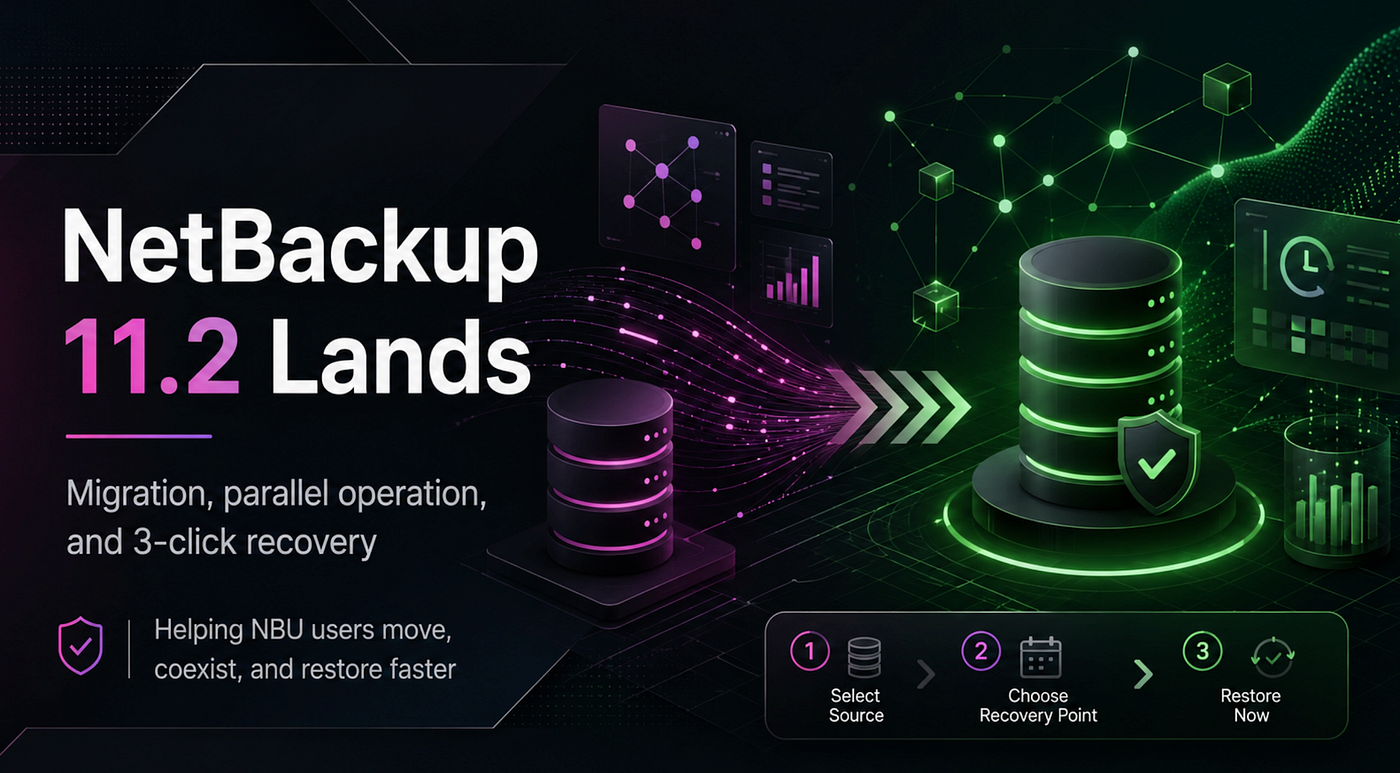
We developed a platform built around one blunt idea: restoring data should not require a war room(leave a message to me if you need to check it). For NBU users, our platform helps minimize the effort needed to restore critical data, including Oracle databases, in as few as three clicks. That matters because restore complexity is where backup strategies usually crack. The backup job can be green all week, but if recovery takes too long or depends on one person who happens to be on vacation, the business doesn’t care how pretty the report looked.
Our platform is designed to sit where the pressure lives. It helps teams reduce manual steps, simplify recovery workflows, and make parallel operation far less painful. Whether you’re migrating from NBU to another solution or keeping NBU while adding a modern recovery layer beside it, the point is the same: less friction, faster validation, and more control. The best backup strategy is not the one with the loudest vendor slide deck. It’s the one that gets your Oracle database back when everyone is watching.
NetBackup 11.2 may be the release that pushes some teams to upgrade, some to reconsider, and some to finally build a bridge out. All three reactions are valid. What isn’t valid anymore is accepting restore pain as the cost of doing business. NBU users deserve choices: stay, migrate, or run in parallel while the future gets sorted out. The release is news, sure. But the bigger story is what comes next — and whether your recovery process is ready for the moment it actually matters.
메타데이터
- post_id
- 4e5fe2ebf4f8
- slug
- netbackup-11-2-lands-and-the-real-pain-is-what-comes-after-the-upgrade-4e5fe2ebf4f8
- url
- https://medium.com/@PlanB./netbackup-11-2-lands-and-the-real-pain-is-what-comes-after-the-upgrade-4e5fe2ebf4f8
- canonical_url
- https://medium.com/@PlanB./netbackup-11-2-lands-and-the-real-pain-is-what-comes-after-the-upgrade-4e5fe2ebf4f8
- author_url
- https://medium.com/@PlanB.
- status
- ok
- fetched_at
- 2026-06-13 07:35:29