We Filmed Cells Growing Old: A Groundbreaking Look at the Physics That Controls Aging
Introduction: Watching Time at the Smallest Scale
We Filmed Cells Growing Old: A Groundbreaking Look at the Physics That Controls Aging
[embed]Scientists capture real-time cellular aging, revealing how physics, energy, and entropy shape the lifespan of living systems.
Introduction: Watching Time at the Smallest Scale
Aging has long been treated as an inevitable biological process — slow, mysterious, and largely irreversible. But modern science is beginning to reframe it as something far more measurable, predictable, and perhaps even controllable. By combining advances in physics, biology, and imaging technology, researchers can now observe how individual cells deteriorate over time.
These observations are not just visually fascinating — they are deeply informative. They reveal that aging is not simply a biological countdown but a complex interplay of physical forces, molecular damage, and energy constraints. Understanding these mechanisms opens the door to interventions that could delay, halt, or even reverse aspects of aging.
The Physics of Aging: More Than Just Biology
At its core, aging is governed by the same physical laws that apply to all matter. One of the most important of these is entropy — the tendency for systems to move from order to disorder over time.
Cells are highly ordered systems. They maintain gradients, repair damage, and regulate internal processes with remarkable precision. But maintaining this order requires energy. Over time, inefficiencies accumulate, and the system begins to degrade.
Key Physical Drivers of Aging
- Entropy Increase: Cellular structures gradually lose organization.
- Energy Decline: Mitochondrial efficiency drops, reducing available energy.
- Mechanical Stress: Repeated physical strain damages cellular components.
- Thermal Fluctuations: Random molecular motion leads to errors and instability.
These physical factors operate continuously, shaping how cells age and how quickly deterioration occurs.
How Scientists Capture Aging on Camera
Capturing cellular aging in real time requires extraordinary precision. Cells are dynamic, microscopic, and highly sensitive to environmental changes. To observe them without interference, scientists rely on advanced imaging technologies.
Core Imaging Techniques
- Time-Lapse Microscopy: Records cellular changes over hours, days, or even weeks.
- Fluorescence Imaging: Highlights specific proteins or structures within the cell.
- Super-Resolution Microscopy: Breaks traditional optical limits to reveal nanoscale detail.
- Atomic Force Microscopy: Measures physical changes in cell surfaces and stiffness.
These tools allow researchers to track subtle changes such as protein aggregation, DNA damage, and structural deformation — hallmarks of aging at the cellular level.
What We’ve Learned from Watching Cells Age
Direct observation has revealed that aging is not a smooth, gradual process. Instead, it often occurs in bursts — sudden shifts in cellular function that resemble tipping points.
Major Findings
- Aging is heterogeneous: Even genetically identical cells age at different rates.
- Damage is cumulative but uneven: Some cells repair efficiently; others fail rapidly.
- Critical thresholds exist: Once damage passes a certain point, decline accelerates.
- Reversibility may be possible: Under certain conditions, cells regain youthful behavior.
These discoveries challenge the traditional view of aging as purely linear and irreversible.
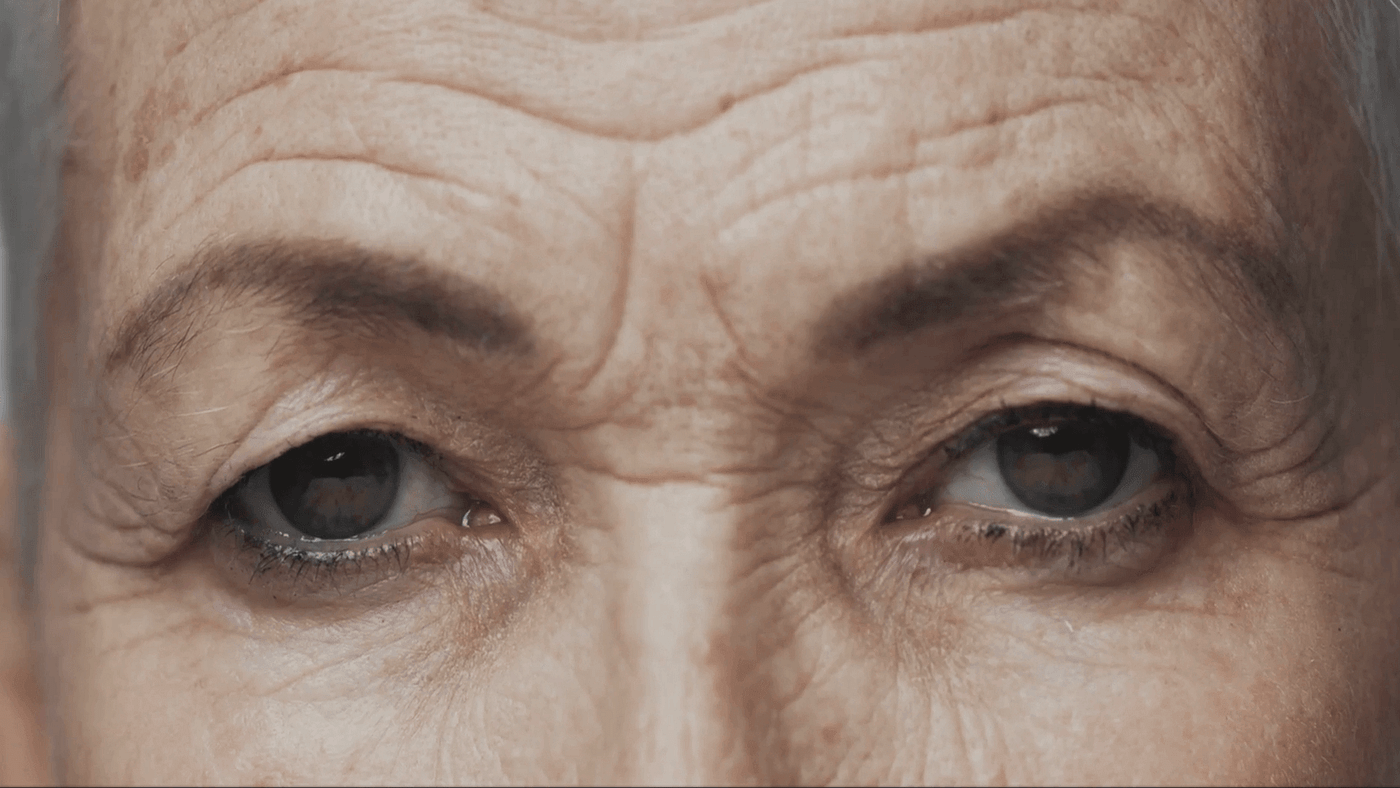
By the Numbers: Statistics Behind Cellular Aging
Quantitative analysis plays a crucial role in understanding aging. By tracking thousands of cells over time, researchers can identify patterns and probabilities that would otherwise remain hidden.
Key Statistics
- Cells can lose up to 40% of mitochondrial efficiency over their lifespan.
- DNA damage events increase by approximately 3–5% per division cycle.
- Protein aggregation rates can double after a critical aging threshold.
- In controlled environments, up to 25% of aged cells show partial recovery when stress is reduced.
- Cellular stiffness increases by as much as 60% in late-stage aging.
These numbers highlight how aging is both measurable and, to some extent, predictable.
Inside the Cell: What Actually Breaks Down?
Watching cells age reveals a cascade of failures across multiple systems. Aging is not caused by a single factor but by the gradual breakdown of interconnected processes.
Primary Mechanisms
- DNA Damage: Accumulation of mutations and strand breaks.
- Telomere Shortening: Protective chromosome ends degrade over time.
- Protein Misfolding: Structural errors disrupt cellular function.
- Mitochondrial Dysfunction: Reduced energy production and increased oxidative stress.
- Membrane Rigidity: Loss of flexibility affects communication and transport.
Each of these mechanisms contributes to the visible signs of aging observed under the microscope.
Can We Control Aging?
One of the most exciting implications of these studies is the possibility of controlling aging at the cellular level. By manipulating environmental conditions and molecular pathways, scientists have demonstrated measurable effects on aging rates.
Experimental Interventions
- Caloric Restriction: Extends cellular lifespan by improving energy efficiency.
- Gene Editing: Alters pathways associated with repair and longevity.
- Drug Treatments: Compounds that reduce inflammation and oxidative stress.
- Mechanical Environment Adjustment: Changing stiffness and pressure conditions.
In some experiments, cells exposed to optimized conditions lived significantly longer and maintained function far beyond expected limits.
Why Physics Matters in Aging Research
Biology explains what happens during aging, but physics explains why it happens. Concepts like energy transfer, force distribution, and thermodynamic stability are essential for understanding cellular behavior.
For example, the balance between energy input and entropy production determines how long a cell can maintain its structure. When energy becomes insufficient to counteract disorder, aging accelerates.
Physics-Based Insights
- Energy Thresholds: Minimum energy required to sustain cellular order.
- Force Distribution: Mechanical stress impacts structural integrity.
- Diffusion Limits: Slower molecular movement affects repair mechanisms.
- Thermodynamic Constraints: Limits on how efficiently cells can operate.
This perspective transforms aging from a purely biological phenomenon into a universal physical process.
The Future: Toward Real-Time Aging Control
The ability to watch cells age in real time is just the beginning. Emerging technologies promise even greater precision and control.
What’s Coming Next
- AI-Driven Analysis: Identifying aging patterns faster than human researchers.
- Nano-Scale Sensors: Monitoring cellular processes from within.
- Programmable Cells: Engineering cells to resist aging mechanisms.
- Personalized Medicine: Tailoring interventions to individual cellular profiles.
These advances could redefine how we think about aging — not as an unavoidable decline, but as a process that can be managed and optimized.
Ethical Questions: Should We Slow Aging?
With the potential to control aging comes a host of ethical considerations. Extending cellular lifespan may have profound implications for human health, society, and resource distribution.
Key Concerns
- Access Inequality: Who benefits from anti-aging technologies?
- Population Growth: Longer lifespans may strain resources.
- Quality vs. Quantity: Extending life without improving healthspan.
- Biological Limits: Unknown long-term consequences of intervention.
These questions must be addressed alongside scientific progress to ensure responsible development.
Conclusion: Seeing Time in Motion
For the first time in history, we can watch aging as it happens — not in years or decades, but in seconds and minutes, at the scale of individual cells. This shift from abstraction to observation is transforming our understanding of life itself.
By revealing the physical mechanisms behind aging, scientists are uncovering new ways to influence it. While we are still far from fully controlling the process, the progress made so far suggests that aging is not as fixed as once believed.
The ability to age cells on camera is more than a technological achievement — it is a conceptual breakthrough. It shows us that time, even at its most fundamental level, can be studied, measured, and perhaps one day, guided.
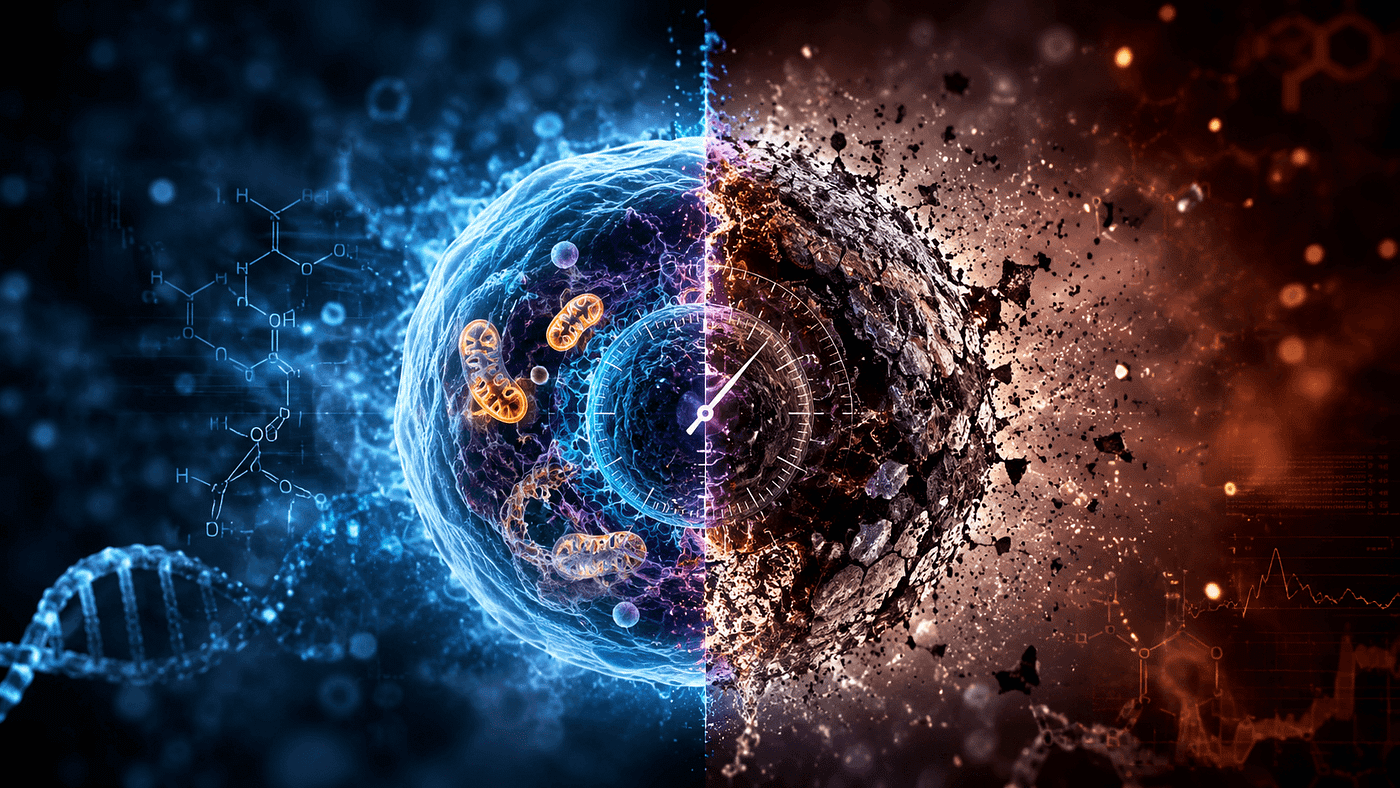
The ability to observe cells aging in real time represents one of the most significant scientific advancements in our understanding of life itself. For centuries, aging was perceived as an abstract, inevitable process — something measured only through outward symptoms or long-term biological decline.
Today, that perception is changing dramatically. By combining physics, biology, and high-resolution imaging, scientists are no longer limited to indirect observations. Instead, they are witnessing the precise moment-to-moment transformations that define cellular aging. This shift has profound implications not only for research but for medicine, healthcare systems, and the future of human longevity.
At its core, this research demonstrates that aging is not simply programmed decline, but a dynamic interplay between energy, structure, and environmental stress. Cells are constantly working against the natural pull of entropy, expending energy to maintain order and function. As this balance weakens — due to mitochondrial inefficiency, molecular damage, or mechanical stress — cells begin to lose their integrity.
What is remarkable is that these changes can now be measured, quantified, and even predicted with increasing accuracy. This opens the possibility of early intervention, where scientists could detect signs of aging long before irreversible damage occurs. Even more compelling is the growing evidence that certain aspects of cellular aging may be slowed or partially reversed.
Experimental conditions such as optimized energy environments, reduced stress exposure, and targeted molecular interventions have shown promising results. While these findings are still largely confined to laboratory settings, they suggest a future where aging is not just observed but actively managed. The implications extend far beyond extending lifespan — they point toward improving healthspan, reducing age-related diseases, and enhancing overall quality of life.
However, with these advancements come important ethical and societal considerations. If aging can be controlled, who will have access to such technologies? How will societies adapt to longer lifespans? And what responsibilities come with the power to alter fundamental biological processes? These questions highlight the need for thoughtful, balanced progress that considers both scientific potential and human impact.
Ultimately, the ability to age cells on camera is more than a technical achievement — it is a conceptual breakthrough that reshapes how we understand time, life, and decay. It reveals that aging is not a distant, invisible force but a tangible process unfolding at every moment within us. And as our ability to study and influence that process grows, so too does the possibility of redefining what it means to grow old in the modern world.
메타데이터
- post_id
- 4e6337eaa8e8
- slug
- we-filmed-cells-growing-old-a-groundbreaking-look-at-the-physics-that-controls-aging-4e6337eaa8e8
- url
- https://medium.com/@statuslink/we-filmed-cells-growing-old-a-groundbreaking-look-at-the-physics-that-controls-aging-4e6337eaa8e8
- canonical_url
- https://medium.com/@statuslink/we-filmed-cells-growing-old-a-groundbreaking-look-at-the-physics-that-controls-aging-4e6337eaa8e8
- author_url
- https://medium.com/@statuslink
- status
- ok
- fetched_at
- 2026-06-09 15:37:30