Exploring Ikat Weaves: The Art, History, and Cultural Significance of This Unique Textile
Ikat weaves represent a fascinating textile art form that combines complex dyeing techniques with expressive patterns. This method results…
Exploring Ikat Weaves: The Art, History, and Cultural Significance of This Unique Textile
Ikat weaves represent a fascinating textile art form that combines complex dyeing techniques with expressive patterns. This method results in textiles that boast vibrant colors and intricate designs, each with its own story to tell.
Definition and Characteristics
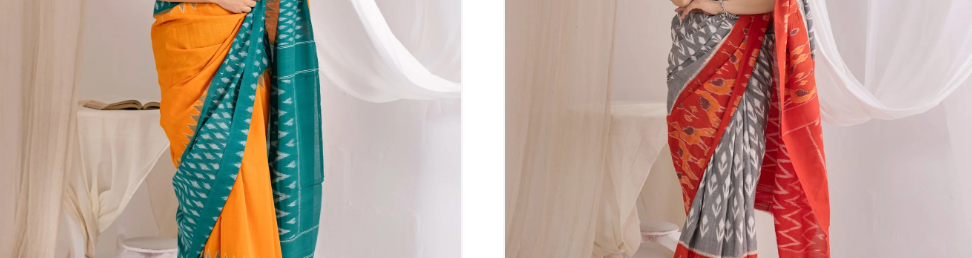
Ikat is a resist dyeing technique where the threads are dyed before weaving. This unique approach creates striking patterns that often resemble blurred images, an effect that adds depth and dynamism to the fabric. Ikat textiles can vary widely in their appearance, from subtle pastels to bold, contrasting colors. The quality of ikat largely depends on the skill of the artisan, making every piece distinctive. I appreciate how this technique is exemplified in beautiful items like modal silk sarees, which skillfully combine modern aesthetics with traditional craftsmanship.
Historical Significance
Ikat weaves have a rich history rooted in various cultures around the world, particularly in regions like Southeast Asia, India, and Central Asia. These textiles often served practical purposes, showcasing the social status of individuals and providing cultural identity. In India, for instance, ikat weaving techniques, such as those seen in ajrakh modal silk sarees, have been passed down through generations of artisans. Each weave intertwines history, culture, and artistry, reflecting the traditions of the communities that produce them. My encounters with ikat textiles often evoke admiration for the stories and heritage embedded in every fiber.
Types of Ikat Weaves
Ikat weaves encompass various styles, each showcasing unique techniques and visual effects. Understanding these types enhances appreciation for the intricate craftsmanship behind each textile.
Double Ikat
Double ikat involves a complex process where both warp and weft threads undergo the dyeing treatment before weaving. This technique permits design patterns to appear in both directions, resulting in stunning, symmetrical motifs that stand out vibrantly. Crafting double ikat requires advanced skill, making each piece exceptionally distinct. I’ve often admired the elegance of double ikat in garments like ajrakh modal silk sarees, where the intricate patterns contribute to a striking overall aesthetic. Artisans from regions like Gujarat and Indonesia excel in this technique, preserving centuries-old traditions while producing modern interpretations.
Single Ikat
Single ikat, in contrast, focuses on dyeing only one set of threads — either the warp or the weft. This method creates beautiful designs that maintain clarity and precision, often showcasing bold, linear patterns. The simplicity of the single ikat technique can be stunning, especially when applied to modal silk fabric, resulting in lightweight and breathable textiles ideal for warm climates. I’ve come to appreciate single ikat in modal silk dupattas, where the intricate yet straightforward designs offer a versatile addition to various outfits. This form of ikat is prevalent in places like India, where artisans continuously produce textiles that reflect the rich cultural heritage and artistic spirit of the region.
Techniques Used in Ikat Weaving
Ikat weaving involves intricate techniques, primarily focused on the dyeing process and weaving methodology. These methods play a crucial role in creating the stunning textiles that define this art form.
Dyeing Process
The dyeing process in ikat weaving is highly meticulous. Artisans apply dye to the threads before weaving, ensuring precise patterns emerge in the final fabric. This resist dyeing method allows for variations in color and design, making each piece unique. For instance, in creating an ajrakh modal silk saree, artisans often use natural dyes to achieve vibrant hues while maintaining the textile’s integrity. The preparation of the threads includes binding sections with resist materials, allowing some areas to remain undyed. This technique requires an expert understanding of color mixing and textile properties. Many artisans spend years mastering the dyeing process to achieve the desired richness in their textiles.
Weaving Methodology
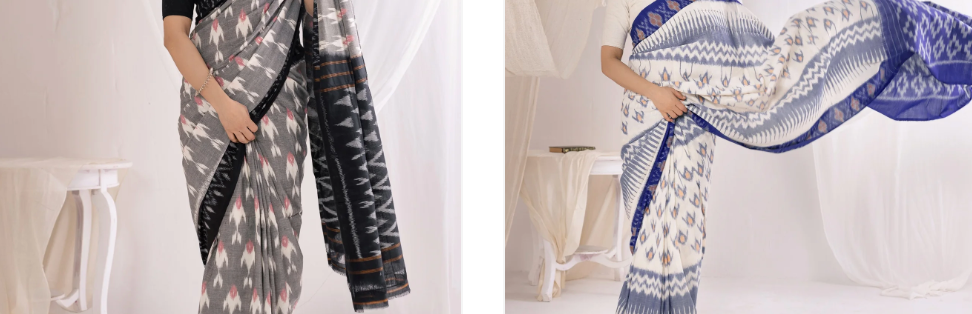
The weaving methodology complements the dyeing process. In ikat, the dyed threads are meticulously arranged on a loom to reproduce the intended patterns. Craftsmanship is a hallmark; artisans demonstrate immense skill by aligning the dyed threads to ensure accurate execution of designs. The technique can be labor-intensive. Some pieces, like the ajrakh hand block printed modal silk saree, highlight careful attention to detail during weaving, often resulting in striking symmetrical motifs.
Artisans often favor handlooms for weaving ikat textiles, promoting a strong connection to tradition. The interlacing of threads may create a soft, flowing drape, perfect for garments like modal silk dupattas and fashionable modal silk suits. My appreciation for ikat deepened after exploring various garments, each telling a story woven into the fabric. Every piece stands as a testament to the artisan’s meticulous effort and cultural heritage, illustrating the captivating journey of ikat weaving.
Cultural Importance of Ikat Weaves
Ikat weaves hold profound cultural significance, reflecting the identities and traditions of the regions from which they originate. Each textile tells a story, encapsulating the history, values, and artistry of the community that produces it.
Regional Variations
Different regions contribute unique styles and techniques to ikat weaving, demonstrating the diversity within this art form. For example, in India, artisans excel in creating ajrakh modal silk sarees that showcase intricate block printing along with the resist-dyeing technique. The vibrant colors and elaborate patterns of these sarees are not only visually stunning but also carry cultural symbolism linked to local festivals and rituals. Meanwhile, Southeast Asian regions, particularly Indonesia, are known for their double ikat fabrics, where both warp and weft threads are carefully dyed to create harmonious motifs, showcasing artisans’ exceptional skills. Each regional twist brings forth a tapestry of stories, embodying the unique heritage and practices of the weavers.
Contemporary Usage
In contemporary fashion, ikat weaves are celebrating a resurgence as designers incorporate them into modern garments. Modal silk dupattas feature bold ikat patterns, effortlessly blending traditional craftsmanship with today’s styling preferences. These pieces provide a distinctive flair, making them ideal for various occasions. I’ve found ajrakh modal silk sarees perfect for both casual and formal events, as they embody elegance while keeping the wearer connected to their heritage. Furthermore, contemporary collections often highlight modal silk fabric’s lightweight nature, making it a favorite choice for everyday attire. The blend of traditional aesthetics with modern silhouettes allows ikat textiles to thrive, ensuring these time-honored techniques aren’t lost but celebrated in new forms.
I find ikat weaves to be a captivating blend of artistry and cultural heritage. Each piece tells a unique story shaped by the hands of skilled artisans who pour their heart and soul into their craft. The vibrant colors and intricate patterns not only enhance our wardrobes but also connect us to the rich traditions of the regions they come from.
As ikat continues to evolve in contemporary fashion, it’s exciting to see how these timeless textiles adapt while retaining their historical significance. I encourage everyone to explore the enchanting world of ikat and appreciate the artistry that transforms everyday fabrics into extraordinary works of art.
메타데이터
- post_id
- 4e7a67c4dd1d
- slug
- exploring-ikat-weaves-the-art-history-and-cultural-significance-of-this-unique-textile-4e7a67c4dd1d
- url
- https://medium.com/@coinsunlimited1/exploring-ikat-weaves-the-art-history-and-cultural-significance-of-this-unique-textile-4e7a67c4dd1d
- canonical_url
- https://medium.com/@coinsunlimited1/exploring-ikat-weaves-the-art-history-and-cultural-significance-of-this-unique-textile-4e7a67c4dd1d
- author_url
- https://medium.com/@coinsunlimited1
- status
- ok
- fetched_at
- 2026-07-21 07:28:30