10 Facts about the Punjabi Language
Because the world is finally saying, “Punjabi aa gaye oye!” By Gurmeet Kaur | www.folktalesofpunjab.com
10 Facts about the Punjabi Language
*Because the world is finally saying, “Punjabi aa gaye oye!” *By Gurmeet Kaur | www.folktalesofpunjab.com
When Diljit Dosanjh stepped onto The Tonight Show Starring Jimmy Fallon, something shifted. It wasn’t just that a Punjabi artist had made it to an American late-night stage; it was the way he arrived. Diljit didn’t dilute his language. He didn’t soften his identity. He walked in wearing Punjab like royalty, speaking Punjabi as if it were already a world language, and the world agreed.
Suddenly, people who had never opened a Punjabi book or traced its rivers on a map began asking human questions. What does “Punjabi aa gaye oye” mean? Why does this music feel like adrenaline? Why do these lyrics hit even when you don’t understand them?
The truth is that Punjab is not just a place; it is a civilization. Punjabi is the emotional bloodstream of a people who have survived empires, Partition, displacement, censorship, and migration. If it feels loud, it’s because it was born in a land where you had to shout across vast fields. If it feels rebellious, it’s because it has always belonged to those who resisted — Sufis, Gurus, warriors, lovers, and dreamers.
Despite its global dominance today, Punjabi remains marginalized. It is often reduced to a “Sikh language” or a “loud accent” for comedy. The irony is painful: a language spoken by over a hundred million people still has to constantly explain itself. Before we dismantle the pains, let’s begin with the fun essentials.
1. The Mother Tongue of a Global Giant
Punjabi is one of the largest languages on earth, spoken by 120–130 million people. It is the majority language in Pakistan’s Punjab and a pillar of northern India. Beyond the subcontinent, it is one of the strongest diaspora languages in the world. In Canada, it is one of the most widely spoken languages, particularly in British Columbia and Ontario. Punjabi didn’t become global because of government promotion; it became global because Punjabis carried their language like an inheritance.
2. An Ancient Civilizational Root
Many assume Punjabi is “younger” than Hindi or Urdu. This is a misunderstanding. Punjabi developed organically within the Indus Valley civilization, which dates back to 7000 BCE. It retains phonological features of the region’s ancient native languages. Punjabi is not a “dialect of Hindi” or “Urdu in a village accent.” It is a distinct language with deep roots and a sense of civilizational continuity.
3. A Language of Movement and Flow
The name Punjab comes from Persian: panj (five) + āb (waters). But it is more than a hydrological label; it is a metaphor for fertility and continuity. Historically, Punjab was a bridge civilization connecting South Asia with Central Asia and the Middle East. Through this corridor moved not only armies, but also languages, saints, and musical traditions. This constant exchange is why Punjabi carries deep-layered influences — from Arabic and Persian to Central Asian linguistic imprints.
4. It Belongs to No Single Religion
Punjabi is often mistakenly branded as “the Sikh language.” While cherished and promoted by Sikhs, it is historically the language of Muslim Sufi poets like Baba Fareed and Bulleh Shah, Sikh Gurus whose hymns form the core of the Guru Granth Sahib, Hindu saints, and folk bards. Punjabi literature is a shared linguistic world where Islamic mysticism and Sikh spirituality weave into one.
5. A Rare Tonal Treasure
One of Punjabi’s most fascinating features is that it is tonal in nature. Pitch changes can change the meaning of a word; a rarity among Indo-European languages. This is why Punjabi speech sounds rhythmic and emotionally intense. You can pronounce every consonant correctly and still get the word wrong if the tone is off. Punjabi doesn’t just have sounds; it has music embedded in its grammar.
6. The Tri-Script Reality
Punjabi has lived in a multi-script world for centuries. Current day scripts are:
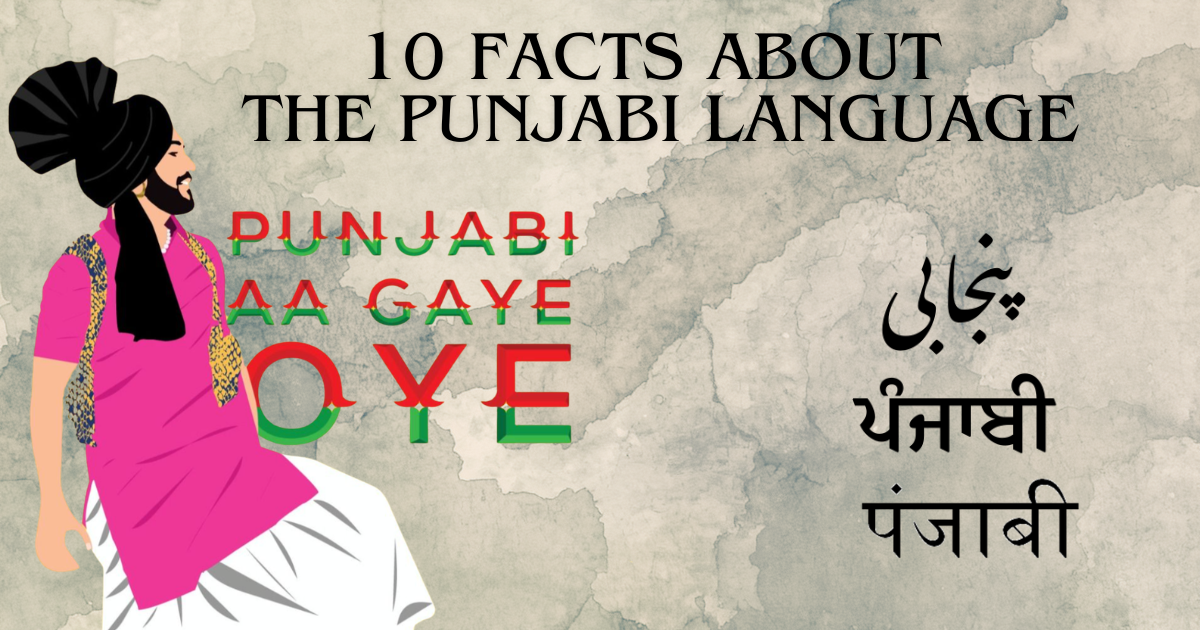
- Gurmukhi: Used primarily in India, standardized in the 15th century to accurately represent Punjabi’s tonal complexity and native sounds. It is also the script of the Sikh scripture, Guru Granth Sahib, also known as Gurbani.
- Shahmukhi: Used in Pakistan, based on a Perso-Arabic style. It is the script of the great Sufi traditions.
- Nagri (Devanagari): Historically used in Hindu literary traditions in the region.
This reality makes Punjabi culturally unified yet literarily plural.
7. A Great Literary Tradition
Punjabi literature emerged strongly around the second millennium, rooted in the spiritual need to speak to the masses. Sufi poets made a radical choice to write in Punjabi, the language of the people, rather than in Persian or Arabic, the languages of the elite and of Islam. Later, the Sikh Gurus continued the same tradition and elevated it to the status of scripture. Remarkably, this literature survived the 1947 Partition; while borders hardened and scripts split, Punjabi continued to sing on both sides.
8. A Vast Dialect Continuum
Punjabi is not one single voice; it is a choir. It spans a massive dialect continuum across historic Punjab, including Majhi, Malwai, Puadhi, Pahari, and Doabi in the East, and Potohari, Jhangochi, Hindko, and Multani in the West. It is an extraordinarily complex of geography and classification with over thirty-five documented dialects.
9. Music as a Living Archive
Punjabi is one of the most musical languages on earth because music is how the civilization preserved itself. Through boliyaan (couplets), Dhaadi Vaaran (heroic ballads), Qisse (epic romances), and Kirtan (Gurbani Hyms), Punjabis stored their history in melody when they couldn’t store it in libraries. Even today, diaspora children often learn their language through song first.
10. The Global Power Language
The modern explosion of Punjabi has names like Sidhu Moosewala, who turned rural metaphors into international symbols of resistance, and Diljit Dosanjh, who has normalized the language on stages from Coachella to Hollywood. They represent a cultural moment where Punjabis no longer need permission to be visible.
The World is Finally Listening
Punjabi was never “small or poor.” It has been suppressed in institutions but never defeated in the streets. It is the voice of Heer, of Bulleh Shah, and of the Gurus — and now, the voice of global stadiums.
If the world is finally asking, “Punjabi aa gaye oye?” the answer is: Punjabi was always here. The world is finally catching up to what Punjabis have always known: Punjabi is a force of nature.
Ready to learn more about the Punjabi Language?
Read: [10 Myths About the Punjabi Language — And the Truth Behind Them](http://10 Myths About the Punjabi Language — And the Truth Behind Them)
A children’s author, environmentalist, and champion of the Punjabi language, Gurmeet Kaur strives to weave stories and actions that unite humanity and celebrate our shared responsibility to one another and the planet.
ਗੁਰਮੀਤ ਕੌਰ ਦੇਸ ਪੰਜਾਬ ਦੀ ਬੋਲੀ, ਵਿਰਾਸਤ ਤੇ ਵਾਤਾਵਰਨ ਨੂੰ ਸੰਭਾਲਣ ਲਈ ਸਮਰਪਿਤ ਹੈ। ਇਹ ਮਰਜੀਵੜਾ ਜਸਵੰਤ ਸਿੰਘ ਖਾਲੜਾ ਅਤੇ ਸੋਹਣੇ ਪੰਜਾਬ ਦੀਆਂ ਮੋਹਣੀਆਂ ਬਾਤਾਂ ਪੁਸਤਕ ਲੜੀ ਦੀ ਲੇਖਕਾ ਹੈ। ਇਹਦਾ ਧਿਆਨ ਸੱਚ-ਬਿਆਨੀ, ਭਾਸ਼ਾ ਦੀ ਪੁਨਰਜਾਗਰਤੀ, ਪੰਥ ਅਤੇ ਜਗਤ ਵਿਚ ਇਖ਼ਲਾਕ ਤੇ ਇਤਫ਼ਾਕ ਦੀ ਸਿਰਜਣਾ ਉੱਤੇ ਟਿਕਿਆ ਹੈ।
메타데이터
- post_id
- 4eae014d03a4
- slug
- 10-facts-about-the-punjabi-language-4eae014d03a4
- url
- https://medium.com/@gurmeetkaur/10-facts-about-the-punjabi-language-4eae014d03a4
- canonical_url
- https://medium.com/@gurmeetkaur/10-facts-about-the-punjabi-language-4eae014d03a4
- author_url
- https://medium.com/@gurmeetkaur
- status
- ok
- fetched_at
- 2026-07-16 01:52:49