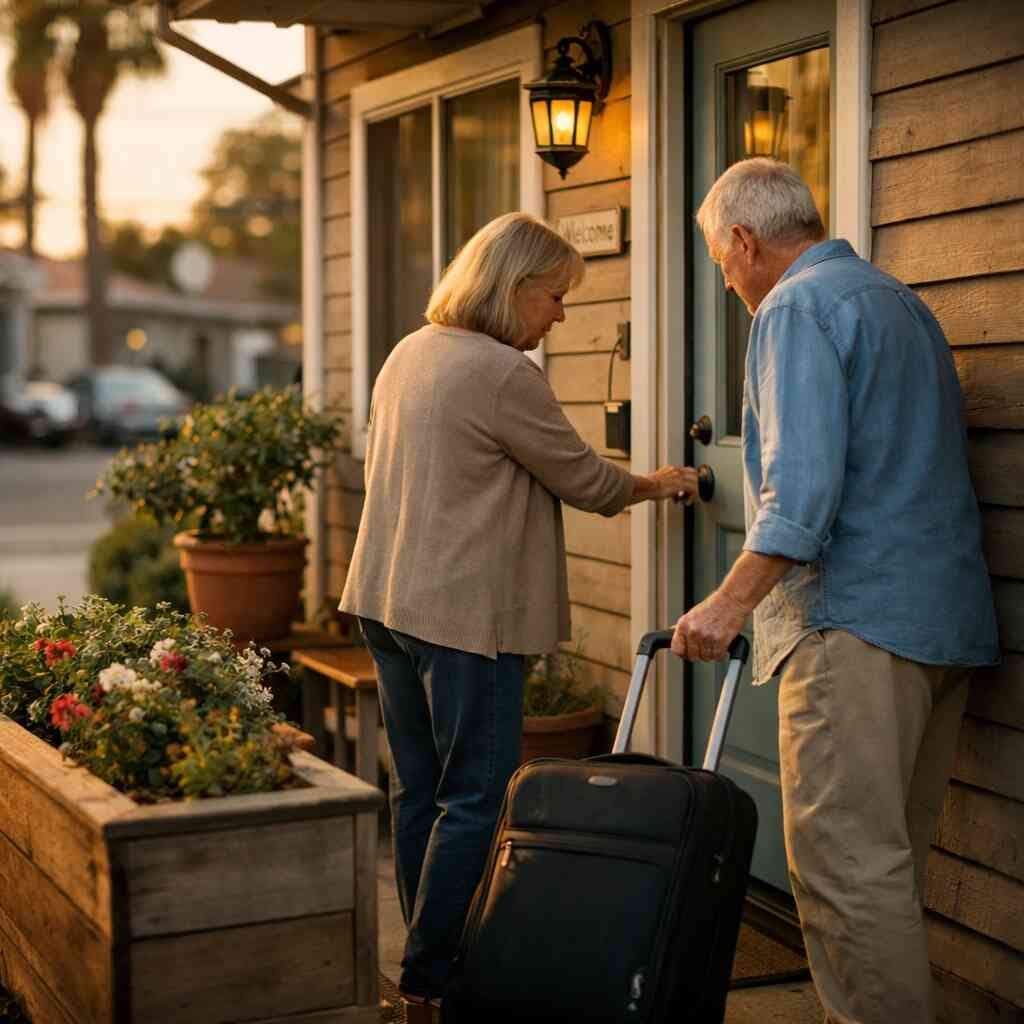
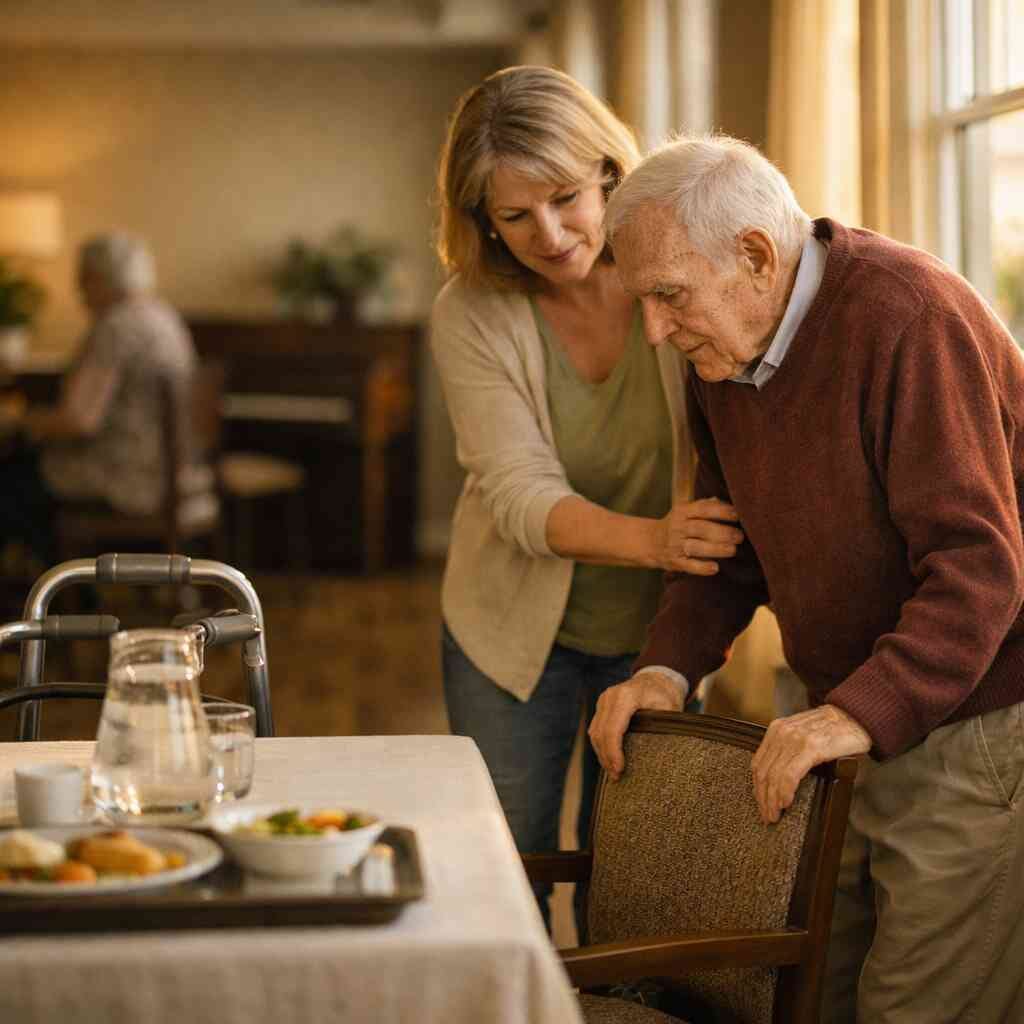
Winter Wellness Strategies for Senior Living Facilities
Winter Wellness Strategies for Senior Living Facilities
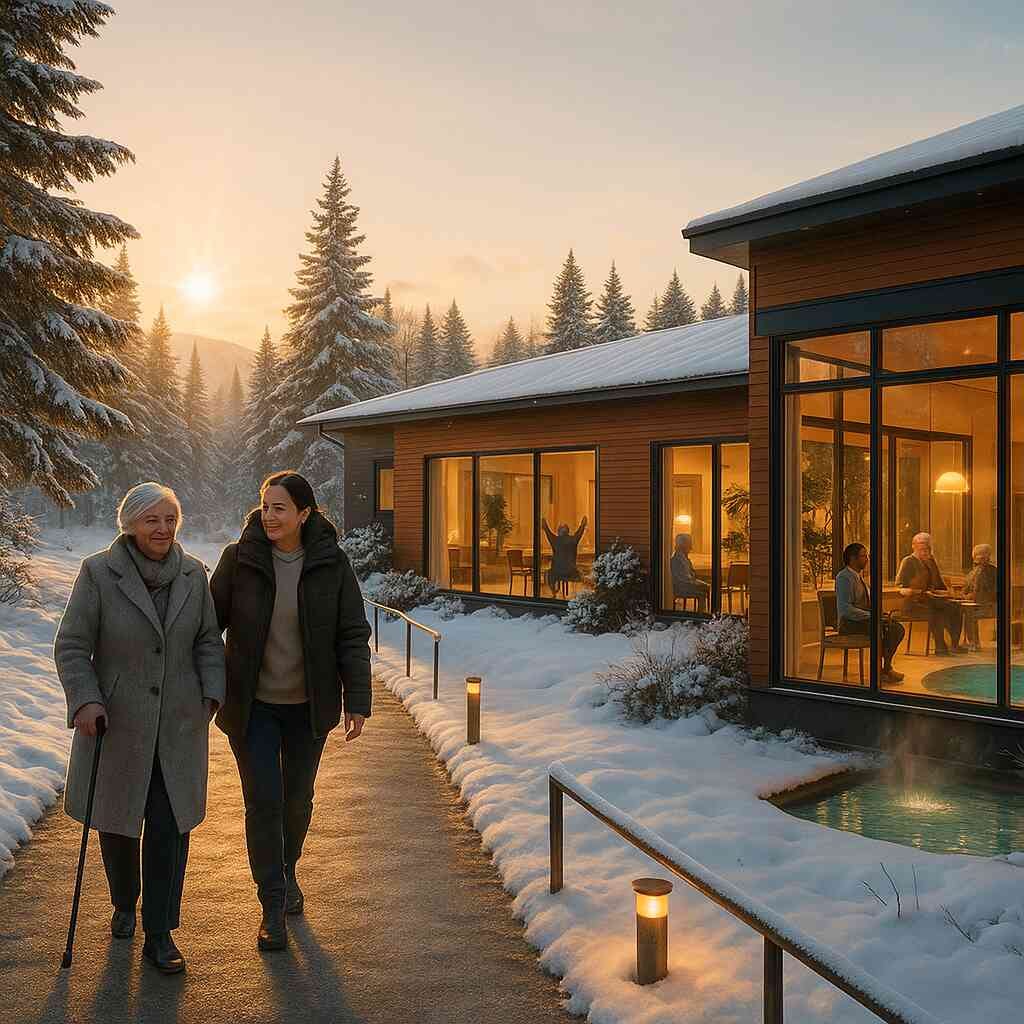
Older adults feel winter more acutely than the rest of us. Lower temperatures can strain circulation, dampen mood, and invite an annual parade of respiratory viruses. This guide explains how senior living communities — whether independent cottages or skilled-nursing wings — can design winter wellness programs that keep residents warm, active, and connected.
Why Winter Demands a Different Playbook
Physiology changes with age. Thinner skin and slower metabolism make it harder to hold body heat. Immune cells do not mobilize as quickly, so influenza, COVID-19, and RSV become formidable threats. Add icy walkways that challenge balance, and the season poses a triple risk: hypothermia, infection, and falls.
Because the hazards are predictable, the solutions can be, too. Strong programs weave together preventive medicine, environmental safety, and emotional support long before the first cold front arrives.
A Three-Pillar Framework for Cold-Season Care
1. Physical Safety and Comfort
- Proactive HVAC checks ensure every apartment or suite stays between 68 °F and 72 °F without excessive dryness.
- Safe surfaces: Maintenance logs should document de-icing protocols, handrail inspections, and indoor walking routes with non-slip flooring.
- Adaptive clothing: Staff can guide residents toward layered outfits, battery-warmed gloves, and moisture-wicking socks, especially for people with diabetes or vascular disease.
2. Immune Resilience
- On-site vaccination clinics streamline access to updated flu, COVID-19, and pneumonia shots. Staggered scheduling prevents long lines and reduces anxiety.
- Ventilation and filtration: High-efficiency filters or UV purification units lower viral load in shared lounges and dining rooms.
- Medication reviews: Pharmacists confirm that vitamin D supplementation, inhaler technique, and antiviral refills are current before peak season.
3. Emotional and Social Well-Being
- Light therapy corners offset reduced daylight, helping regulate sleep and mood.
- Virtual family hours via large-screen tablets sustain relationships when visitors avoid travel.
- Purposeful programming — from indoor gardening to knit-for-charity circles — provides structure and camaraderie even during storms.
Tailoring Plans to Different Housing Models
Winter strategies are not one-size-fits-all. Consider how needs shift along the spectrum of senior housing:
Independent Living Cottages and 55-Plus Campuses
Residents often drive and cook for themselves.
- Offer coach-led brisk-walk clubs on cleared paths, plus contingency workouts in the gym when sidewalks are slick.
- Distribute immune-boosting meal kits with produce bags, soup recipes, and hydration reminders.
- Promote smart thermostats that send alerts to maintenance if indoor temps dip too low.
Assisted Living Suites
Here, daily support is available but autonomy remains a priority.
- Integrate daily vitals checks with temperature and pulse oximetry to flag early infection.
- Schedule mobile vaccination carts that visit each floor, reducing exposure in common areas.
- Hold brief group huddles after breakfast to reinforce hand hygiene and share uplifting news.
Memory Care Neighborhoods
Residents with cognitive impairment rely on routine.
- Use consistent winter décor — snow-flake icons on bathroom doors or red mittens on coat hooks — to cue location and dress.
- Keep hallways well lit to prevent “sundowning” agitation as daylight wanes.
- Play familiar seasonal music during exercise classes to encourage movement and recall.
Skilled-Nursing and Long-Term Care
Higher medical acuity demands tighter controls.
- Increase staffing ratios on severe-weather days to cover call-outs and reduce burnout.
- Maintain isolation suites that can be activated within hours if an outbreak occurs.
- Coordinate with hospital respiratory therapists for on-site nebulizer education and emergency planning.
Technology That Makes a Difference
The newest gadgets are only helpful when they solve real problems. Three tools stand out this season:
- Wearable fall detectors send instant alerts to nurses’ stations, shaving minutes off response times when every second counts.
- Contact-free vitals monitors under mattresses detect respiratory changes overnight, providing an early warning for viral illness.
- Digital bulletin boards cycle through weather updates, vaccination dates, and uplifting resident photos, replacing paper flyers that quickly go out of date.
Evaluating a Community’s Winter Readiness: A Family Checklist
When touring or interviewing staff, families can ask:
- How often are boilers and backup generators tested?
- What is the exact vaccination uptake rate among residents and employees?
- Does the community contract 24/7 snow removal, and how is salt kept away from service-animal paws?
- Are group outings canceled or modified during flu peaks, and what virtual options replace them?
- Is there a mental-health professional on call for seasonal affective disorder or grief support?
A prepared team will answer with clear data, not vague assurances.
Connecting With Resources Nearby
Digital locators now list winter-specific amenities alongside floor plans and pricing. Search filters can reveal facilities that feature indoor walking tracks, in-house pharmacies, or heat-loss-resistant construction. After narrowing choices, families can download inspection scores focusing on HVAC reliability, infection-control citations, and emergency-power capacity.
Budgeting for Warmth and Wellness
Keeping elders safe does not have to break the bank. Communities can tap into local energy-efficiency grants to offset insulation upgrades. Residents who meet income thresholds may qualify for utility subsidies, and many states offer vaccine vouchers that cover high-dose formulas. A transparent finance office helps families navigate these programs so no one sacrifices heat or health to save money.
The Season of Preparedness, Not Fear
Winter is inevitable, but harm is not. When senior living facilities pair evidence-based infection control with thoughtful social programming, residents reap the benefits of cozy firesides, holiday traditions, and crisp morning air — without the usual health scares. Families gain peace of mind, and staff take pride in seeing neighbors flourish despite the chill.
Preparing now means fewer frantic calls later. Whether you oversee a sprawling retirement campus or are simply helping a parent compare communities, the same principle applies: plan early, execute faithfully, and review often. The result is a winter where older adults stay not just safe, but truly well.
메타데이터
- post_id
- 4ebd93d88778
- slug
- winter-wellness-strategies-for-senior-living-facilities-4ebd93d88778
- url
- https://medium.com/@seniorlivingfacilities/winter-wellness-strategies-for-senior-living-facilities-4ebd93d88778
- canonical_url
- https://medium.com/@seniorlivingfacilities/winter-wellness-strategies-for-senior-living-facilities-4ebd93d88778
- author_url
- https://medium.com/@seniorlivingfacilities
- status
- ok
- fetched_at
- 2026-07-20 19:53:03