How to Check Your Singapore Hotel or Airbnb for Bed Bugs in 5 Steps
To check your Singapore hotel room or Airbnb for bed bugs, follow these five steps before unpacking: (1) pull back the mattress corner and…
How to Check Your Singapore Hotel or Airbnb for Bed Bugs in 5 Steps
To check your Singapore hotel room or Airbnb for bed bugs, follow these five steps before unpacking: (1) pull back the mattress corner and inspect the seams for dark spots or live insects, (2) check the headboard screw holes and joints with your phone’s torch, (3) inspect the luggage rack for live insects in the frame seams, (4) scan behind the picture frame closest to the bed, (5) check the wall socket beside the bed. If you find anything suspicious, do not unpack and contact the property management immediately.
Step 1 — Check the Mattress Seams and Corner Before Anything Else
Before unpacking in any hotel room, start with the mattress seams and corners. This is one of the easiest places to spot early bed bug activity because bed bugs usually stay close to where people sleep. Pull back the bedsheet slowly from one corner and inspect the stitched seams, folds, piping, and mattress label area.
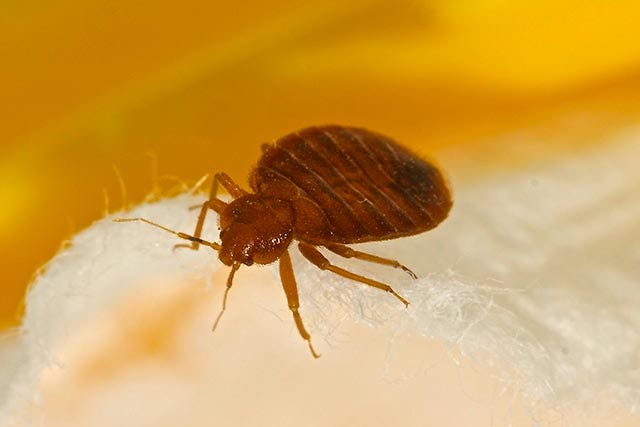
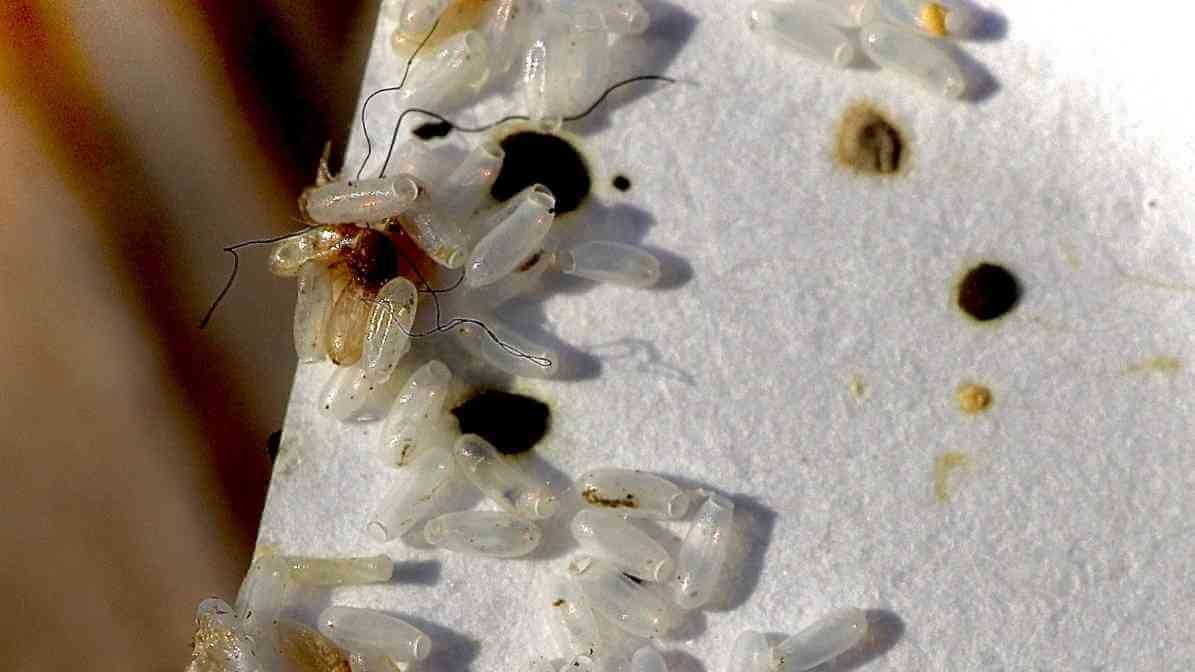
Look for tiny dark spots around 1mm in size. These are usually bed bug droppings and may look like black ink dots. Also check for reddish-brown stains, which can come from crushed bugs or blood marks. Live bed bugs are small, flat, and reddish-brown, while younger nymphs may look pale or translucent. You may also see pale-yellow egg casings tucked into tight seams.
Do not throw your luggage on the bed while checking. Keep your bags on a hard surface first, then inspect the mattress carefully before settling in.
Step 2 — Inspect the Headboard With Your Phone Torch
After checking the mattress, inspect the headboard using your phone torch. In many hotel rooms, the headboard is the second-favourite hiding spot for bed bugs because it is close to the sleeping area and often has small gaps, screw holes, and joints where insects can stay hidden during the day.
Shine the light along the edges of the headboard, especially where it meets the wall. Check screw holes, wooden joints, fabric folds, cracks, and the narrow space behind the panel if visible. You do not need to remove the headboard. A slow visual inspection is enough to spot warning signs.
Look for live bugs, black spotting, shed skins, eggs, or reddish stains. If you notice activity around the headboard, avoid sleeping in that room and request a room change immediately.
Step 3 — Check the Luggage Rack and Your Own Bags
The luggage rack can also hide bed bugs, especially in fabric straps, seams, hinges, and corners. Before placing your suitcase on it, inspect the rack with your phone torch. Pay close attention to stitched areas and folds where bugs can squeeze in.
Also check your own bag before placing it near the bed. Look around zippers, outer seams, handles, pockets, and luggage corners. Bed bugs are excellent hitchhikers and can move from hotel furniture into bags without being noticed.
The safest practice is to keep luggage away from the bed, sofa, and carpeted corners. Use a clean, hard surface where possible, and keep your suitcase closed when not in use.
Step 4 — Scan Behind the Picture Frame Nearest the Bed
Picture frames near the bed are another common refuge for bed bugs. The back of the frame, wall contact points, and small gaps around the hook or mounting area can give bed bugs a quiet place to hide.
Use your phone torch and gently inspect the frame closest to the bed. Do not pull hard or damage the fixture. If the frame moves easily, tilt it slightly and look behind it. Check for black specks, shed skins, eggs, or small moving insects.
This step is especially important in hotel rooms with upholstered headboards, wallpaper, or decorative wall panels because bed bugs often hide in nearby wall features, not only in the mattress.
Step 5 — Check the Wall Socket Beside the Bed
Wall sockets beside the bed are often overlooked, but they can be a serious hiding area for bed bugs. Electrical outlets near sleeping areas provide warmth, darkness, and narrow gaps, which makes them attractive for insects trying to stay hidden during the day.
In our inspections, wall sockets are found to harbour live bed bugs in approximately 1 in 5 Singapore bed bug jobs. This is why a quick scan around the socket is important, especially if the outlet is beside the bed or headboard.
Use your phone torch to check the edges of the socket plate, nearby wall cracks, cable points, and the gap between the socket and wall. Do not open the socket cover or touch electrical parts. If you see black spotting, shed skins, or live insects, treat the room as contaminated.
What Should You Do If You Find Bed Bugs in a Singapore Hotel?
If you find signs of bed bugs in a hotel room, do not unpack your luggage. Keep your bags closed and away from the bed, sofa, curtains, and carpet edges. Take clear photos or videos of the signs you found, such as live bugs, droppings, stains, or egg casings.
Inform hotel management immediately and request a room change. Ideally, ask for a non-adjacent room that is not directly beside, above, or below the affected room, because bed bugs can move through wall gaps, sockets, and shared structures.
Before moving rooms, inspect your luggage, shoes, and clothing. Place used clothing in sealed bags if possible. If you notice bites, dark spots on clothing, or bugs inside your luggage, take extra precautions before returning home. Once you return to Singapore, consider booking a professional bed bug inspection before the issue spreads inside your home.
What to Do When You Return to Singapore If You Suspect Exposure
If you suspect bed bug exposure after staying in a hotel, do not place your luggage on your bed or sofa when you return home. Keep bags in a bathroom, balcony, service yard, or another hard-surface area first.
Bag all worn clothing immediately and heat-treat or hot-wash items where fabric care allows. Inspect luggage seams, zippers, wheels, handles, and inner corners with a torch. Vacuum the suitcase carefully and dispose of the vacuum contents properly.
Avoid spraying random insecticide before confirming the problem. Incorrect treatment can scatter bed bugs deeper into the home. If you notice bites, black spots, shed skins, or live insects, book a professional bed bug inspection in Singapore as early as possible.
Conclusion
A quick hotel room bed bug check can prevent a much bigger problem when you return home. Start with the mattress seams, then inspect the headboard, luggage rack, picture frame, and wall socket beside the bed. These are the areas where bed bugs are most likely to hide close to the sleeping zone.
If you find signs of bed bugs during travel, avoid unpacking, request a non-adjacent room, protect your luggage, and inspect your belongings carefully before returning to Singapore.
For suspected exposure or **early signs of bed bugs at home, book a [professional bed bug inspection](https://www.termitespecialist.sg/bed-bug-extermination-singapore/) with [Termite Specialist Pte Ltd](https://www.termitespecialist.sg/)**. Our team can inspect common hiding spots, confirm whether bed bugs are present, and recommend the right treatment before the infestation spreads.
You can also check our Google Business Profile to view our service details, customer reviews, and contact options before booking an inspection.
Termite Specialist Pte Ltd
50 Bukit Batok Street 23, #05–30 Midview Building, Singapore 659578
+6569103776
Get Directions From Google Maps
[embed]
메타데이터
- post_id
- 4ed232fa3062
- slug
- how-to-check-your-singapore-hotel-or-airbnb-for-bed-bugs-in-5-steps-4ed232fa3062
- url
- https://medium.com/@termite564/how-to-check-your-singapore-hotel-or-airbnb-for-bed-bugs-in-5-steps-4ed232fa3062
- canonical_url
- https://medium.com/@termite564/how-to-check-your-singapore-hotel-or-airbnb-for-bed-bugs-in-5-steps-4ed232fa3062
- author_url
- https://medium.com/@termite564
- status
- ok
- fetched_at
- 2026-07-17 00:14:18