# The Holy Month of Ramzan: A Time for Reflection and Spiritual Growth.
Photo by Rumman Amin on Unsplash
# The Holy Month of Ramzan: A Time for Reflection and Spiritual Growth.
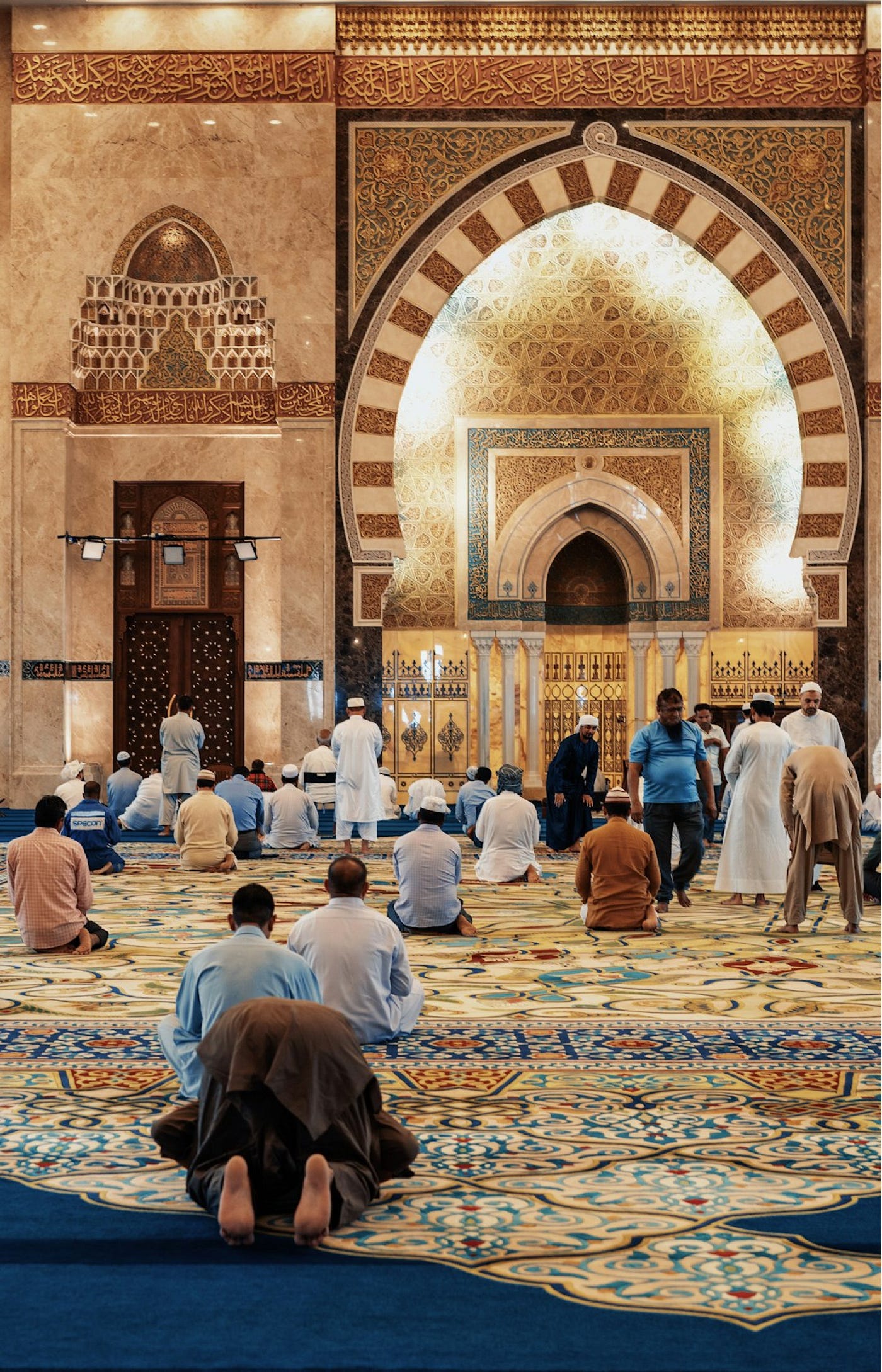
Photo by Rumman Amin on Unsplash
Ramzan, also known as Ramadan, is the ninth month of the Islamic calendar and is observed by Muslims worldwide as a time of fasting, prayer, and spiritual reflection. It is considered the holiest month in Islam, marking the period when the Quran was first revealed to Prophet Muhammad (PBUH). Fasting during this month is one of the Five Pillars of Islam and is an essential act of worship for Muslims.
The Significance of Ramzan
Ramzan holds immense spiritual importance as it is believed to be the month of mercy, forgiveness, and salvation. Muslims believe that during this time, the gates of heaven are open, the gates of hell are closed, and the devils are chained. It is a time for self-discipline, purification, and deepening one’s connection with Allah through acts of worship and charity.
The Practice of Fasting (Sawm)
Fasting (Sawm) during Ramzan is obligatory for all adult Muslims, except for those who are ill, pregnant, nursing, traveling, menstruating, or facing extreme hardship. The fast begins at Suhoor (pre-dawn meal) and ends at Iftar (meal at sunset), during which no food, drink, or other physical needs are to be consumed. The fast is broken with dates and water, following the tradition of the Prophet Muhammad (PBUH).
Spiritual and Social Aspects of Ramzan
Apart from fasting, Ramzan is a time for increased prayer, recitation of the Quran, and acts of charity (Zakat and Sadaqah). Muslims perform additional night prayers called Taraweeh, which are held in mosques. Many also dedicate themselves to I’tikaf, a period of seclusion in the last ten days of Ramzan, to seek closeness to Allah.

Photo by Ishan @seefromthesky on Unsplash
Ramzan also fosters a sense of community and generosity. Families, friends, and neighbors come together for Iftar, and there is a greater emphasis on helping those in need. The practice of Zakat (obligatory almsgiving) ensures that the less fortunate are taken care of during this blessed month.
Laylatul Qadr – The Night of Power
One of the most spiritually significant nights in Ramzan is Laylatul Qadr (The Night of Power), which is believed to fall within the last ten nights of the month, particularly on the 27th night. It is described in the Quran as “better than a thousand months” (Surah Al-Qadr), meaning that worship on this night carries immense rewards. Many Muslims spend these nights in prayer and supplication, seeking forgiveness and blessings from Allah.
Eid-ul-Fitr: The Celebration of Ramzan’s End
At the end of Ramzan, Muslims celebrate Eid-ul-Fitr, a joyous occasion that marks the completion of the month-long fasting. It begins with a special prayer in congregation, followed by feasts, gatherings, and the giving of Zakat-ul-Fitr, a charitable donation to ensure that even the less fortunate can participate in the festivities.
Ramzan is more than just abstaining from food and drink; it is a time for spiritual renewal, self-discipline, and increased devotion to Allah. It teaches patience, gratitude, and compassion, reinforcing the values of kindness and charity. By the end of Ramzan, Muslims aim to emerge as better individuals, carrying the lessons learned throughout the month into their daily lives.
메타데이터
- post_id
- 4f9d7e1cfedb
- slug
- the-holy-month-of-ramzan-a-time-for-reflection-and-spiritual-growth-4f9d7e1cfedb
- url
- https://medium.com/@haiqaSajjad/the-holy-month-of-ramzan-a-time-for-reflection-and-spiritual-growth-4f9d7e1cfedb
- canonical_url
- https://medium.com/@haiqaSajjad/the-holy-month-of-ramzan-a-time-for-reflection-and-spiritual-growth-4f9d7e1cfedb
- author_url
- https://medium.com/@haiqaSajjad
- status
- ok
- fetched_at
- 2026-06-27 18:20:27