A Ghost (Kitchen) of the Past
Have you ever ordered food online? Chances are, you have experienced a meal prepared in a ghost kitchen. Also known as virtual kitchens…
A Ghost (Kitchen) of the Past
Photo by Max Tokarev on Unsplash
Have you ever ordered food online? Chances are, you have experienced a meal prepared in a ghost kitchen. Also known as virtual kitchens, cloud kitchens, or dark kitchens, these are commercial cooking facilities that operate without a physical dine-in space. Instead, they fulfill online orders, relying on food delivery platforms such as GrabFood, Deliveroo, and FoodPanda to reach customers.
Born out of necessity during the COVID-19 pandemic, ghost kitchens quickly became an attractive business model for both established restaurants and new startups eager to tap into the booming delivery market. According to CNBC, it drew over $3 billion in venture funding, with market analyst Euromonitor International having projected the industry to reach a market size of $1 trillion globally by 2030 (CNBC, 2024). However, as the world shifts back to pre-pandemic norms, ghost kitchens everywhere are now shutting down one by one.
What led to their growth, and why are so many now struggling to survive? This report explores their rise, fall, and whether this once-promising trend can survive in a post-pandemic world.
Photo by Kai Pilger on Unsplash
The Rise
The circuit breaker forced food and beverage outlets, including hawker centres and coffee shops, to close their dine-in areas due to social distancing measures. With in-person dining no longer an option, many operators struggled to sustain their businesses while still bearing the costs of maintaining physical spaces. As a result, many turned to the delivery-only model offered by ghost kitchens as an alternative revenue stream to remain operational. These kitchens minimise costs by eliminating the need to pay for prime-location rent, dine-in staff, and investments in décor.
The surge in demand for food delivery services further accelerated the adoption of the ghost kitchen model. In just four months, demand for these services increased by 20 to 30%, prompting major platforms to rapidly expand their offerings: GrabFood had added over 1,500 operators, Deliveroo had added 700 restaurants with 200 more expected, and FoodPanda had added over 300 hawker stalls with a 200% monthly increase in new restaurant additions (Toh, 2020). Food delivery services allowed operators to quickly enter the market by providing immediate access to a large customer base without the need for them to establish their own infrastructure. In addition, these platforms provide their own ghost kitchen facilities, allowing multiple restaurant brands to prepare food from a single location while removing the hassle of securing their own locations and equipment. In 2020, GrabFood became the third food delivery platform to launch a ghost kitchen in Singapore, after Deliveroo and FoodPanda who run 3 kitchens each (Quek, 2019; Tay, 2020).
Ghost kitchens also offer a way for large chains like Wendy’s to test new menus and expand their market presence without the hefty costs associated with opening new brick-and-mortar locations. As these brands launched under different names, they further fueled the growth of the ghost kitchen industry.
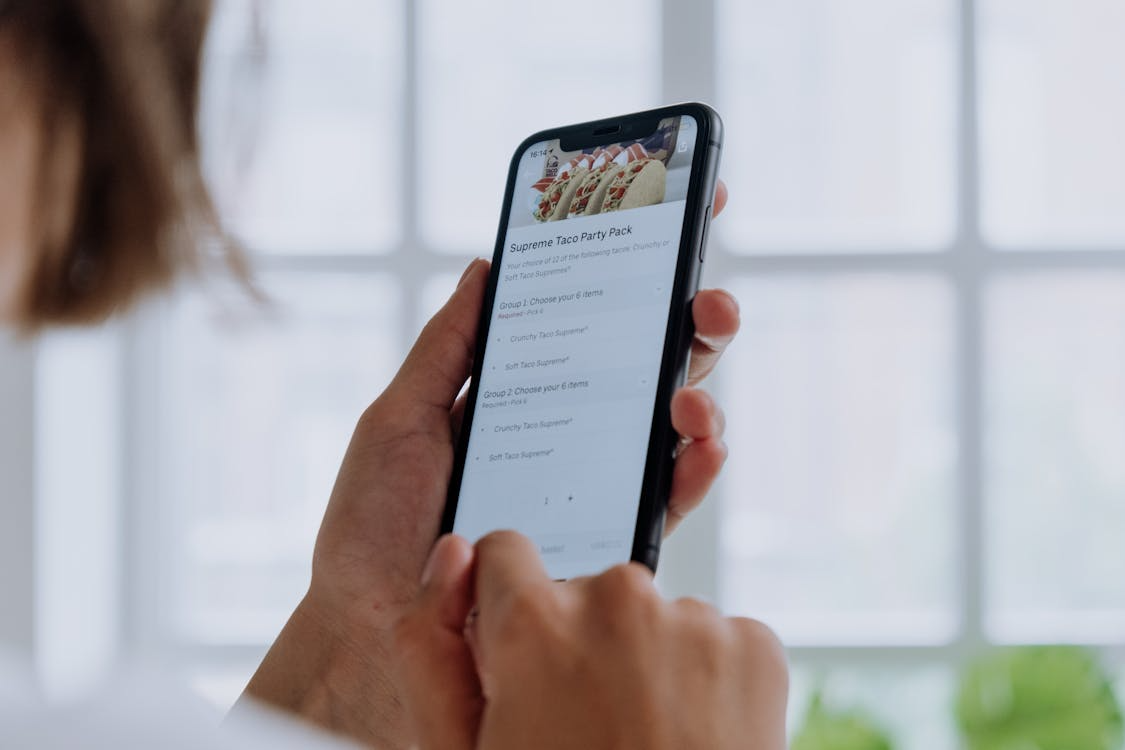
Photo by cottonbro studio on Pexels
The Fall
For a while, ghost kitchens seemed like the future of food. They were built for speed and efficiency, making them a formidable force in the thriving delivery market. But just as quickly as they rose to prominence, they began shutting down, leaving behind empty kitchen spaces and the age-old question:
What went wrong?
Perhaps the biggest reason for the downfall of ghost kitchens was the return of in-person dining. As COVID-19 restrictions were lifted, consumers were eager to go back to restaurants, craving not just food but the full dining experience. According to a survey conducted in 2023 by the National Restaurant Association, 70% of respondents say it’s important that they order food from restaurants with publicly accessible, physical locations (Meyersohn, 2023). Beyond the socialising and the service, ghost kitchens were simply unable to provide.
Quality control — or the lack of it — also played a role. With many ghost kitchens operating out of the same shared spaces, the sheer volume of orders during peak hours overwhelmed kitchens, leading to longer wait times, inaccurate orders, and poorly prepared meals. The absence of a physical storefront made it difficult to hold operators accountable, and as a result, the problem became so widespread that Uber Eats removed 8,000 virtual storefronts from its platform (Cresswell, 2024).
Over time, customers began to realise that many restaurants on these platforms were not a standalone eatery, but rather one of many nearly identical brands operating out of the same kitchen facility. This lack of transparency eroded consumer trust and brand loyalty, and without a physical storefront, ghost kitchens struggled to foster lasting relationships with customers, making it more difficult to retain repeat business.
Furthermore, rising operational costs have caused financial strain. Food delivery platforms take a commission of 30% (Takashi, 2020), and with the need for at least $650,000 in annual sales to break even — factoring in delivery app fees, tenant fees, and marketing costs — tenant turnover at these kitchens has become high (Mo, 2022). According to CNA, as of 2024, the number of ghost kitchens in Singapore has fallen from 18 in 2021 to just 11 (Rohim & Tang, 2024).
Photo by Alex Haney on Unsplash
The Future
As the dust settles on the ghost kitchen industry, the future remains uncertain. While the concept of delivery-only kitchens still offers appeal, particularly for minimising overhead costs, the market has grown more complex. The return to in-person dining and a demand for the full restaurant experience is challenging the appeal of ghost kitchens, pushing many to reconsider their place in the foodservice landscape.
Moving forward, the success of ghost kitchens may depend on their ability to adapt — focusing on quality control and transparency to rebuild consumer trust. In addition, operators must explore ways to reduce dependency on expensive delivery platforms by investing in their own marketing and delivery infrastructure. The future also points to the potential for niche markets or specialised offerings as a way for ghost kitchens to carve out a profitable space.
Ultimately, the ghost kitchen model may not disappear, but its dominance is likely to be tempered by changing consumer preferences and rising operational challenges. Ghost kitchens will have to prove they can balance convenience with quality and consistency if they hope to make a comeback in the post-pandemic world.
References
CNBC. (2024, February 16). How Ghost Kitchens went from $1 trillion hype to a struggling business model. CNBC Africa. https://www.cnbcafrica.com/2024/how-ghost-kitchens-went-from-1-trillion-hype-to-a-struggling-business-model/
Cresswell, J. (2024, April 12). Ghost Kitchens Are Disappearing, Squeezed by Demand and Complaints. The New York Times. https://www.nytimes.com/2024/04/12/business/ghost-kitchens-restaurants-pandemic.html
Meyersohn, N. (2023, December 5). Ghost kitchens were supposed to revolutionize restaurants. They’re crashing. CNN. https://edition.cnn.com/2023/12/05/business/ghost-kitchens-were-supposed-to-be-the-future-of-fast-food-theyre-flaming-out/index.html
Mo, F. (2022, April 27). Ghost Kitchens: the future restaurant model? — Business review at Berkeley. Business Review at Berkeley — UC Berkeley’s Leading Undergraduate Business Journal. https://businessreview.studentorg.berkeley.edu/ghost-kitchens-the-future-restaurant-model/
Takashi, N. (2020, June 4). Singapore restaurants rail against 30% delivery app fees. Nikkei Asia. https://asia.nikkei.com/Spotlight/Sharing-Economy/Singapore-restaurants-rail-against-30-delivery-app-fees
Quek, E. (2019, August 27). Ghost kitchens and virtual restaurants a growing presence in Singapore. The Straits Times. https://www.straitstimes.com/lifestyle/food/ghost-kitchens-disrupting-the-food-industry
Rohim, N. A., & Tang, L. (2024, October 21). Cloud kitchens closing across Singapore as demand drops among consumers, merchants. CNA. https://www.channelnewsasia.com/singapore/cloud-kitchens-food-delivery-demand-drop-consumers-merchants-pandemic-4691921
Tay, T. F. (2020, January 8). GrabFood launches its first shared kitchen in Singapore. The Straits Times. https://www.straitstimes.com/singapore/grabfood-launches-its-first-shared-kitchen-in-singapore
Toh, T. W. (2020, April 26). Food delivery sector booms in a time of coronavirus. The Straits Times. https://www.straitstimes.com/singapore/transport/sector-booms-in-a-time-of-coronavirus
메타데이터
- post_id
- 4faf89ad3b99
- slug
- a-ghost-kitchen-of-the-past-4faf89ad3b99
- url
- https://medium.com/@ngyuling/a-ghost-kitchen-of-the-past-4faf89ad3b99
- canonical_url
- https://medium.com/@ngyuling/a-ghost-kitchen-of-the-past-4faf89ad3b99
- author_url
- https://medium.com/@ngyuling
- status
- ok
- fetched_at
- 2026-06-09 15:37:30



