Plant-Based Eating Is Evolving — But Is It Still Growing?
Plant-based eating has moved far beyond its former reputation as a niche lifestyle. Grocery stores have expanded their meat-free…
Plant-Based Eating Is Evolving — But Is It Still Growing?

Image created by ChatGPT
Plant-based eating has moved far beyond its former reputation as a niche lifestyle. Grocery stores have expanded their meat-free selections, restaurants routinely offer plant-forward dishes, and familiar ingredients such as lentils, tofu, and oat milk have become part of mainstream food culture.
Yet the movement looks different today than it did during its initial surge in popularity. Strict labels are becoming less important, while flexibility, whole foods, affordability, and cultural variety are taking centre stage.
So, is interest in plant-based eating fading—or is it simply entering a more practical phase?
Looking for a supplement for your needs? Check out https://vorstcanada.com/
Disclaimer: This content is intended solely for informational and educational purposes and is not a substitute for professional medical advice, diagnosis, or treatment. It was created with the assistance of AI tools to ensure clarity and accuracy, but it does not replace the guidance of qualified healthcare professionals.
From a Dietary Label to a Broader Movement
Plant-based eating gained considerable attention over the past decade. Concerns surrounding personal health, animal welfare, food production, and the environment encouraged many people to reconsider how often they consumed animal products.
Documentaries, social media, celebrity endorsements, and rapidly expanding grocery-store selections all helped bring the idea into the mainstream. Scientific interest also played a role, with research examining how well-planned diets rich in vegetables, fruits, legumes, whole grains, nuts, and seeds may support long-term health.
However, the definition of “plant-based” has never been entirely consistent.
For some people, it means following a fully vegan diet. For others, it means simply making plant foods the foundation of most meals while occasionally including meat, fish, eggs, or dairy.
That second, more flexible interpretation has become increasingly visible.
Flexibility Is Replacing All-or-Nothing Thinking
Plant-forward eating is no longer limited to people who identify as vegan or vegetarian. Many consumers now fall somewhere in the middle.
Often described as “flexitarians,” they may choose meatless lunches, cook with legumes several times per week, replace dairy milk with a plant-based alternative, or reserve animal products for selected meals.
This approach makes reducing animal-product consumption feel more attainable. Someone does not need to eliminate an entire food category before benefiting from eating more vegetables, beans, whole grains, nuts, and seeds.
It also allows people to adapt their choices according to their nutritional needs, cultural traditions, budgets, and personal preferences.
Rather than asking, “Am I completely plant-based?” a more useful question may be, “How often do plants form the foundation of my meals?”
Whole Foods Are Returning to the Spotlight
The first wave of modern plant-based products was largely driven by alternatives designed to imitate meat, cheese, and dairy. These foods made the transition easier for many consumers and offered familiar flavours and formats.
However, some meat and dairy substitutes can be highly processed or relatively expensive. Their nutritional value also varies considerably between products.
As a result, many people are showing renewed interest in simpler plant-based staples, including:
- Beans and lentils
- Chickpeas and peas
- Tofu and tempeh
- Brown rice, oats, barley, and quinoa
- Potatoes and other root vegetables
- Nuts, seeds, fruits, and vegetables
These foods are not new or trendy. Many have supported traditional diets around the world for generations.
A plant-forward diet does not need to depend on imitation burgers or specialty products. A lentil curry, bean chili, tofu stir-fry, chickpea wrap, or bowl of oatmeal with fruit and seeds can all fit within this style of eating.
Health Remains an Important Motivation
One reason plant-based eating continues to attract attention is its potential nutritional value.
Meals built around minimally processed plant foods can provide fibre, vitamins, minerals, antioxidants, and unsaturated fats. Depending on the foods selected, they may also contain less saturated fat than meals centred on certain animal products.
However, “plant-based” does not automatically mean nutritionally balanced.
French fries, sugary cereal, refined snacks, and many desserts may contain no animal ingredients, but that does not make them equivalent to vegetables, legumes, whole grains, nuts, and seeds.
The overall dietary pattern matters more than the label.
People following an exclusively plant-based diet also need to pay attention to nutrients that may require planning, fortified foods, or supplementation. These can include:
- Vitamin B12
- Iron
- Calcium
- Vitamin D
- Iodine
- Zinc
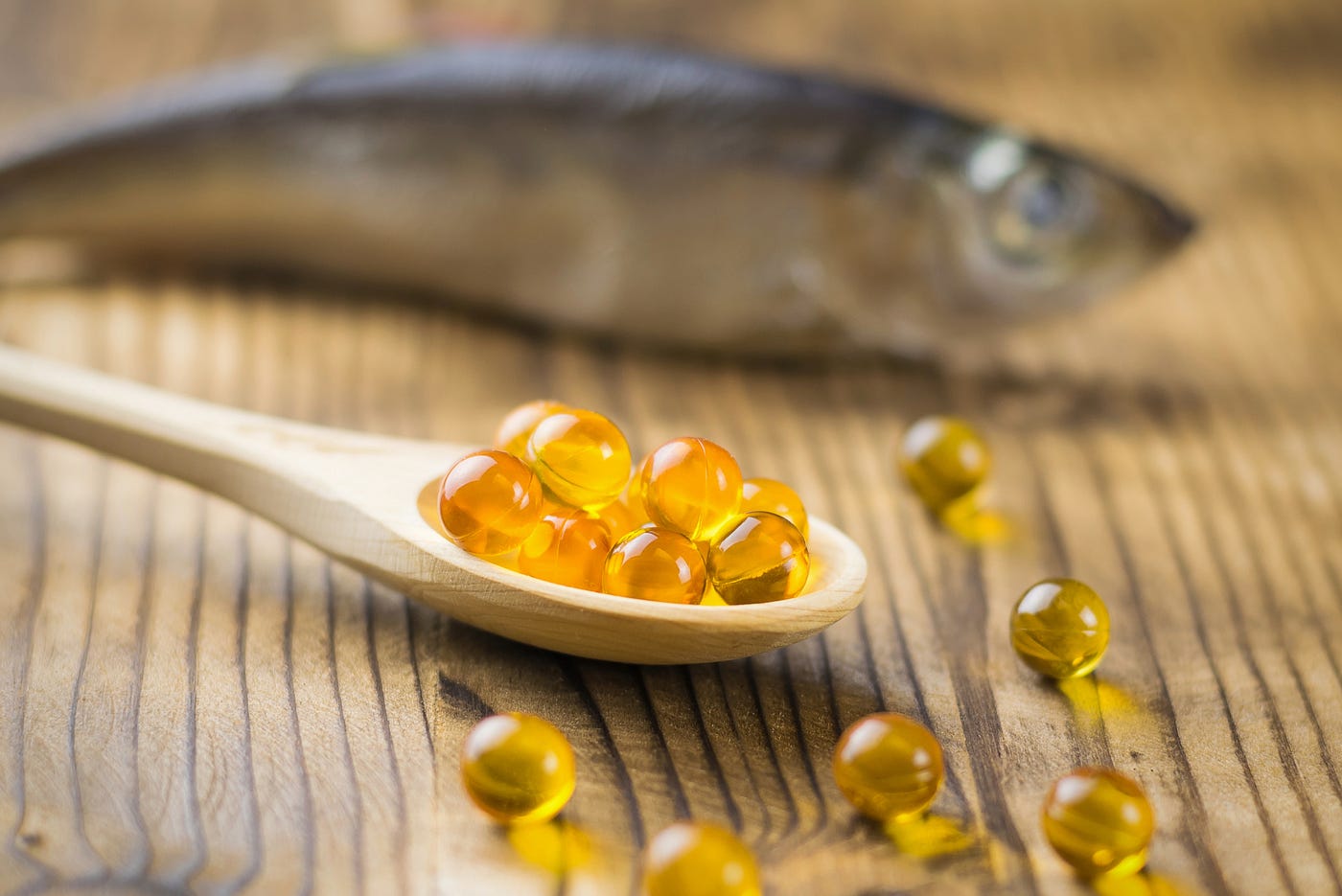
- Omega-3 fatty acids
- Protein
Individual requirements vary. Anyone making a major dietary change—particularly during pregnancy, childhood, older age, athletic training, or while managing a health condition—may benefit from speaking with a physician or registered dietitian.
Sustainability Continues to Shape Food Choices
Environmental concerns remain another important influence.
Food production requires land, water, energy, transportation, and other resources. Although the environmental impact of individual foods varies, shifting some meals toward legumes, grains, and vegetables can be one way to reduce the resource demands associated with a person’s diet.
Consumers are also looking beyond whether a product is technically vegan. Packaging, transportation, food waste, ingredient sourcing, and processing can all affect the environmental picture.
That has encouraged a more nuanced approach: eating more plants while also choosing seasonal ingredients, reducing waste, buying only what will be used, and preparing more meals from basic ingredients.
A sustainable diet is not necessarily built around perfection. It is often built around repeated, realistic choices.
Global Food Traditions Are Expanding the Conversation
Plant-based food is sometimes portrayed as a modern Western trend involving salads, smoothies, and meat substitutes. In reality, cultures around the world have long created satisfying meals from grains, vegetables, legumes, herbs, and spices.
Examples include:
- Indian dal and chana masala
- Ethiopian lentil and split-pea stews
- Middle Eastern hummus, falafel, and tabbouleh
- Mexican bean dishes and vegetable tacos
- East Asian tofu, noodle, and vegetable preparations
- Mediterranean soups, grains, and mezze
- Caribbean rice, bean, and root-vegetable dishes
Exploring these traditions can make plant-forward eating more interesting while introducing people to techniques and flavour combinations that do not depend on recreating meat.
It also demonstrates that plant-based eating is not a single cuisine or rigid meal plan.
Addressing Common Plant-Based Concerns
“Plant foods do not provide enough protein.”
A thoughtfully planned plant-based diet can provide protein through foods such as beans, lentils, tofu, tempeh, peas, nuts, seeds, whole grains, and fortified products.
The amount someone needs depends on factors such as body size, age, activity level, health, and fitness goals. Variety and adequate overall food intake are important.
“Eating plant-based is too expensive.”
Specialty products can be costly, but many traditional plant proteins are economical.
Dried or canned beans, lentils, oats, rice, potatoes, frozen vegetables, peanut butter, and seasonal produce can form the basis of budget-conscious meals. Planning menus and using ingredients across several recipes can further reduce costs and waste.
“You have to give up all animal products.”
Not necessarily. “Plant-based” is often used as an umbrella term rather than a strict rule.
Some people choose a fully vegan diet, while others simply make plant foods more prominent. Both approaches can represent a meaningful change from a diet containing relatively few plant foods.
“All plant-based products are healthy.”
Plant-based packaging is not a guarantee of nutritional quality. It remains helpful to examine the ingredients, protein, fibre, sodium, saturated fat, and added sugar listed on the label.
Convenience products can have a place in a balanced diet, but they do not need to replace basic whole foods.
What Plant-Based Eating Looks Like Today
The movement is becoming less concerned with dietary identity and more focused on practical habits.
For many people, modern plant-forward eating means:
- Making vegetables, legumes, or whole grains the starting point of a meal
- Choosing whole foods more often than heavily processed substitutes
- Remaining flexible rather than pursuing dietary perfection
- Trying recipes from a variety of cultural traditions
- Paying attention to nutritional adequacy
- Considering how food is produced, packaged, and transported
- Selecting changes that are affordable and sustainable over time
This flexibility may be one of the movement’s greatest strengths. It gives people room to participate without requiring them to adopt a label or change everything immediately.
A Simple Way to Begin
You do not need to rebuild your entire diet overnight.
Start with one familiar meal and make a manageable adjustment. You might:
- Replace some of the ground meat in chili with lentils
- Add chickpeas to a salad or wrap
- Use tofu in your next stir-fry
- Prepare oatmeal with fruit, seeds, and nut butter
- Make one plant-forward dinner each week
- Try a traditional legume-based recipe from another cuisine
Once the first change feels routine, add another.
The Movement Is Maturing, Not Disappearing
Plant-based eating is no longer defined solely by vegan labels, imitation meat, or ambitious dietary rules. It is becoming more flexible, culturally diverse, and centred on foods people can realistically prepare and enjoy.
That evolution may make the movement appear less dramatic than it once did—but it may also make it more durable.
Whether someone follows a completely plant-based diet or simply eats a few more plant-forward meals each week, there is room for gradual progress.
The most sustainable approach is rarely the one that demands perfection. It is the one that fits a person’s nutritional needs, values, budget, and everyday life.
References and Resources
-
PricewaterhouseCoopers. (n.d.). Go beyond consumers’ new needs. Shape our food future. PwC. https://www.pwc.com/ca/en/industries/consumer-markets/voice-of-the-consumer.html
-
Shmerling, R. H., MD. (2019, November 25). Plant-based diets are best… or are they? Harvard Health. https://www.health.harvard.edu/blog/plant-based-diets-are-best-or-are-they-2019103118122
-
Sanders, T. a. B. (1999). The nutritional adequacy of plant-based diets. Proceedings of the Nutrition Society, 58(2), 265–269. https://doi.org/10.1017/s0029665199000361
-
Health Canada. (2024, February 16). Canada’s Dietary Guidelines. Canada Food Guide. https://food-guide.canada.ca/en/guidelines/
-
Mount, D. (2025, July 2). Plant-based retail market overview | GFI. The Good Food Institute. https://gfi.org/marketresearch/
메타데이터
- post_id
- 4fc17f3d0ea5
- slug
- plant-based-eating-is-evolving-but-is-it-still-growing-4fc17f3d0ea5
- url
- https://medium.com/@vorstcanada/plant-based-eating-is-evolving-but-is-it-still-growing-4fc17f3d0ea5
- canonical_url
- https://medium.com/@vorstcanada/plant-based-eating-is-evolving-but-is-it-still-growing-4fc17f3d0ea5
- author_url
- https://medium.com/@vorstcanada
- status
- ok
- fetched_at
- 2026-08-25 22:27:27