Why Familiarity Feels Like Love
Sometimes we don’t choose what we like. Sometimes we simply grow accustomed to it until familiarity begins to feel like affection.
Why Familiarity Feels Like Love
Sometimes we don’t choose what we like. Sometimes we simply grow accustomed to it until familiarity begins to feel like affection.
Photo by Haberdoedas on Unsplash
Most people believe they know why they like the things they like.
They assume their preferences are the result of conscious decisions. They think they chose their favorite music because it sounded better. They believe they trust certain people because those people earned it. They assume their attraction toward certain places, faces, brands, ideas, and experiences developed because something about those things was objectively appealing.
The story feels reasonable.
After all, we like to think of ourselves as active participants in our own decisions. We want to believe that our preferences emerge from thoughtful judgment rather than invisible psychological forces operating beneath awareness.
Yet much of what feels like personal choice is influenced by something far simpler than most people realize.
Familiarity.
Not truth.
Not quality.
Not compatibility.
Familiarity.
The strange thing about familiarity is that it rarely announces itself as a factor. It works quietly, almost invisibly. The more often we encounter something, the more comfortable it tends to feel. The more comfortable it feels, the more positively we often evaluate it. Over time, repeated exposure can create a sense of preference that feels entirely natural, even though the preference itself may have developed largely through repetition.
Psychologists call this the mere exposure effect.
The concept sounds simple enough to fit inside a textbook definition, but its influence extends far beyond laboratory experiments. It reaches into relationships, careers, politics, advertising, friendships, social media, and even the stories people tell themselves about who they are.
Because one of the most powerful forces shaping human behavior is not necessarily what is best for us.
It is what feels familiar.
The Song You Hated Until You Loved It
Almost everyone has experienced the mere exposure effect without realizing it.
It often begins with music.
A song plays on the radio and your first reaction is indifference. Maybe you don’t dislike it, but you certainly don’t love it. If someone asked for your opinion after the first listen, you might shrug and move on without giving it much thought.
Then something curious happens.
A few days later, you hear it again.
And again.
And again.
The song appears while driving to work. It plays in a grocery store. It shows up on social media. A friend shares it. Weeks pass, and without consciously deciding to, you find yourself humming the chorus.
The melody that once seemed unremarkable now feels strangely enjoyable.
At some point, you stop noticing the transition.
You simply conclude that you like the song.
What often goes unnoticed is that your preference may not have emerged because the song changed.
You changed.
Or more specifically, your relationship with the song changed.
The unfamiliar became familiar.
And familiarity often feels good.
This pattern appears so frequently in music that entire marketing strategies have been built around it. Record labels understand that repeated exposure increases recognition, and recognition frequently increases preference.
The same psychological mechanism, however, extends far beyond playlists.
It quietly influences how we evaluate people.
Why Strangers Feel Threatening and Familiar Faces Feel Safe
Imagine entering a room filled with people you’ve never met.
Even if everyone appears friendly, a certain level of caution naturally exists.
Your brain begins assessing the environment. Who seems approachable? Who appears trustworthy? Who belongs here? Who might pose a threat?
This process happens remarkably quickly.
Human beings evolved in environments where recognizing potential danger mattered. As a result, unfamiliarity often triggers a subtle form of vigilance.
Not fear exactly.
Just uncertainty.
Now imagine seeing the same group of people every day for several weeks.
You don’t necessarily interact with them.
You simply encounter them repeatedly.
The person who initially felt like a stranger begins feeling recognizable.
Recognition becomes comfort.
Comfort becomes positive association.
Research consistently shows that people tend to rate familiar faces as more likable than unfamiliar ones, even when no meaningful interaction has occurred.
Think about that for a moment.
Someone can become more appealing simply because they exist within your visual environment repeatedly.
No conversation required.
No demonstration of character.
No evidence of compatibility.
Just exposure.
The mind often interprets familiarity as safety.
And safety feels good.
The Relationships We Choose and the Ones We Repeat
The mere exposure effect becomes far more complicated when it enters our emotional lives.
Because familiarity doesn’t just influence what we like.
It can influence what we tolerate.
What we pursue.
And sometimes, what we mistake for love.
Many people assume attraction is driven primarily by chemistry. They believe they are drawn toward certain individuals because of personality, shared values, emotional connection, or physical appeal.
Those factors certainly matter.
But familiarity often plays a larger role than people realize.
This is one reason relationships frequently emerge between individuals who spend time in the same environments. Schools. Workplaces. Neighborhoods. Friend groups. Communities.
Repeated exposure creates opportunities for comfort to develop.
The person who seemed ordinary initially may become increasingly attractive over time simply because they have become psychologically familiar.
Yet the effect becomes even more interesting when we consider childhood experiences.
Many people unknowingly seek emotional dynamics that feel familiar rather than healthy.
A person raised in a highly critical environment may later find themselves drawn toward partners who are emotionally critical.
Not because criticism feels good.
Because it feels known.
A person raised around unpredictability may mistake emotional inconsistency for passion.
Someone accustomed to chaos may experience stability as unfamiliar and therefore uncomfortable.
This realization can be unsettling.
Because it suggests that familiarity sometimes shapes attraction more strongly than compatibility does.
The heart often moves toward what it recognizes before it moves toward what is best.
Why Advertisers Love Your Brain
If there is one industry that understands the mere exposure effect exceptionally well, it is advertising.
Companies spend enormous amounts of money ensuring that consumers encounter their names repeatedly.
Not because repetition guarantees a purchase.
Because repetition increases familiarity.
And familiarity influences trust.
Think about the last time you purchased something from a company you had never heard of before.
There was probably at least a brief moment of hesitation.
Now compare that feeling to purchasing from a brand you’ve encountered hundreds of times.
Even if you know relatively little about the company, the repeated exposure creates a sense of comfort.
The name feels established.
Reliable.
Trustworthy.
Not necessarily because it is.
Because it is familiar.
The human brain often uses familiarity as a shortcut when making decisions.
Evaluating every choice from scratch would require enormous mental effort.
Instead, the brain relies on signals.
And familiarity is one of the strongest signals available.
This tendency saves energy.
But it also makes us susceptible to influence.
Because repeated exposure can create positive feelings independently of actual quality.
The Most Powerful Exposure Happens Inside Your Own Mind
Perhaps the most overlooked aspect of the mere exposure effect has nothing to do with music, brands, or relationships.
It involves the thoughts we repeat to ourselves.
Human beings spend thousands of hours interacting with their own internal narratives.
The stories we tell ourselves become familiar.
And familiar ideas often begin feeling true.
A person who repeatedly tells themselves they are incapable may eventually stop questioning the belief.
Not because evidence supports it.
Because repetition creates familiarity.
Someone who constantly focuses on perceived flaws may become convinced those flaws define them.
A person who repeatedly rehearses fears may begin treating those fears as certainty.
The mind encounters these thoughts so frequently that they start feeling normal.
Expected.
Obvious.
This is one of the reasons self-perception can become so distorted.
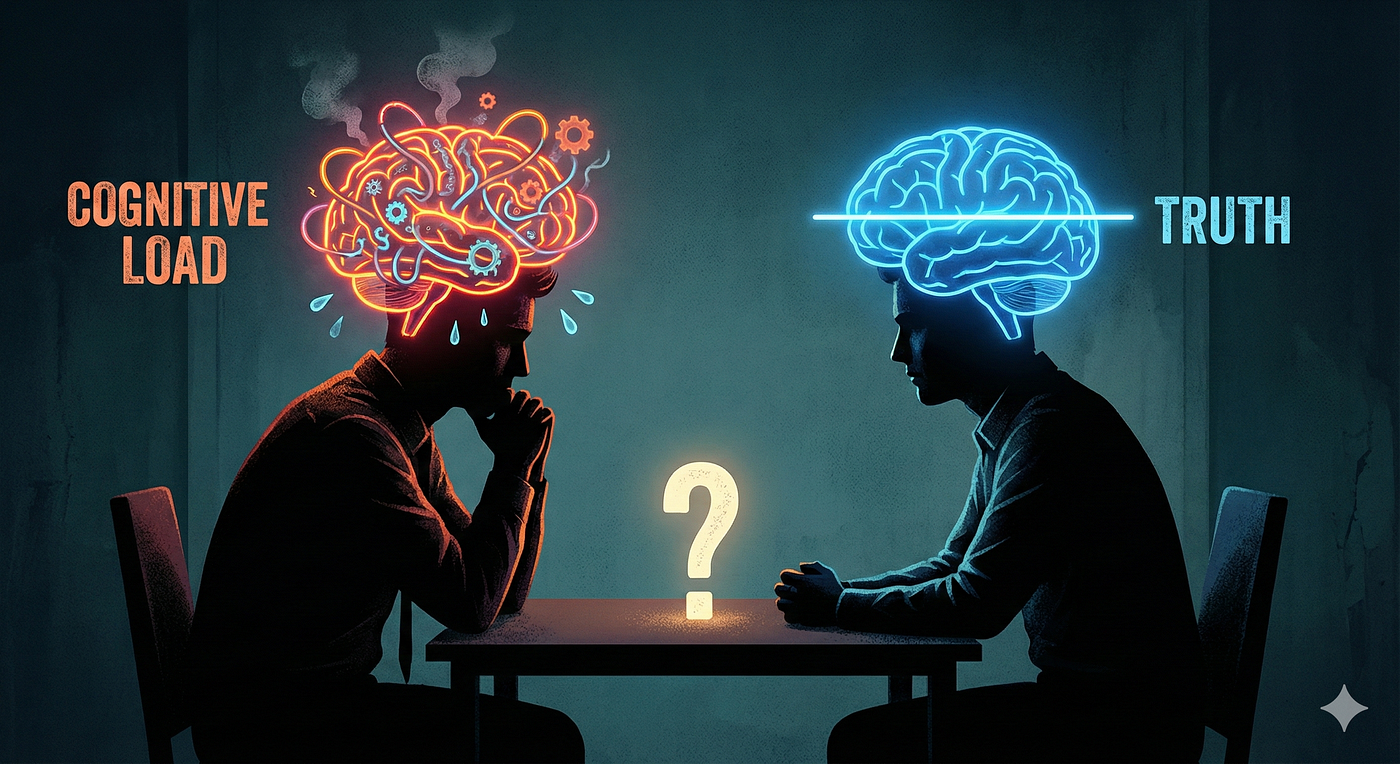
Familiarity and truth are not the same thing.
Yet the brain often treats them as if they are.
The longer a belief has existed, the more difficult it becomes to challenge.
Not because it is accurate.
Because it feels familiar.
Familiarity Is Not the Same as Goodness
One of the most important lessons hidden within the mere exposure effect is that comfort and quality are not identical.
What feels familiar is not always beneficial.
What feels unfamiliar is not always dangerous.
Growth often requires entering spaces that initially feel uncomfortable.
New relationships.
New opportunities.
New perspectives.
New identities.
The challenge is that unfamiliar experiences rarely produce immediate comfort.
The brain prefers what it recognizes.
It prefers established patterns.
Known environments.
Predictable outcomes.
Yet many of life’s most meaningful transformations begin in unfamiliar territory.
If familiarity alone determined our choices, growth would become nearly impossible.
Every significant change would feel wrong simply because it was new.
Understanding the mere exposure effect allows us to question that instinct.
To recognize that comfort is not always a reliable indicator of value.
Sometimes comfort simply indicates repetition.
Nothing more.
Why Familiarity Feels Like Love
At its core, the mere exposure effect reveals something fascinating about human nature.
We are creatures of recognition.
We move toward what feels known.
We trust what feels familiar.
We often confuse repeated exposure with genuine preference.
This tendency isn’t a flaw.
It’s part of how the mind reduces uncertainty in an overwhelmingly complex world.
Without it, every interaction would feel exhausting.
Every decision would require constant reevaluation.
Familiarity helps create stability.
The problem arises when we stop questioning why something feels comfortable.
Because sometimes we love things because they are wonderful.
Sometimes we trust people because they have earned it.
Sometimes our preferences genuinely reflect who we are.
And sometimes we simply encountered something often enough that our minds began treating it like home.
The challenge is learning to recognize the difference.
Because familiarity can create affection.
It can create trust.
It can even create attachment.
But familiarity alone cannot tell us whether something deserves those feelings.
And understanding that distinction may be one of the most important psychological insights we can carry into our relationships, our decisions, and our lives.
Not everything that feels right is right.
Sometimes it just feels familiar.
메타데이터
- post_id
- 4fcb59cce001
- slug
- why-familiarity-feels-like-love-4fcb59cce001
- url
- https://medium.com/the-beacon-collective/why-familiarity-feels-like-love-4fcb59cce001
- canonical_url
- https://medium.com/the-beacon-collective/why-familiarity-feels-like-love-4fcb59cce001
- author_url
- https://medium.com/@brigtonjeanne
- status
- ok
- fetched_at
- 2026-06-15 20:49:13