Prevent Electrical Failures Before They Start: The Role of Thermal Imaging Cameras
Finding a pinpoint hot spot in a panel hours before it would knock out a plant or result in a fire — that is the distinction between…
Prevent Electrical Failures Before They Start: The Role of Thermal Imaging Cameras

Thermal imaging camera
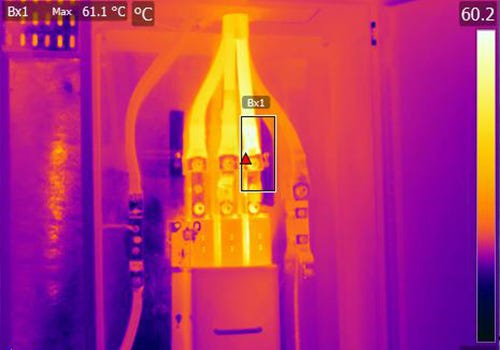
Finding a pinpoint hot spot in a panel hours before it would knock out a plant or result in a fire — that is the distinction between reactive maintenance and proactive maintenance. A **Thermal imaging camera** gives building managers and maintenance teams a clear, non-intrusive view of hidden heat patterns so they can act with confidence. In high uptime facilities, the easiest method of reducing the risk and maintenance cost without interfering with the services is through early identification of abnormal heating. This introduction is an allusion to the importance of routine imaging check-ups.
Electrical systems are stressed on a daily basis. Thermal imaging cameras are a core tool in these surveys. Regular inspection (Electrical Thermography) catches loose connections, overloaded circuits, and failing components before they escalate. With trained inspectors and trusted equipment, the teams are able to prioritize the repairs, plan safe outages, and avoid emergency replacements. The process of inspection is simple; scan, record, analyze and report. The maintenance program is built on that cycle, which is repeated in time.
Why thermography matters now more than ever
Incorrect location of the temperatures, equipment wears more rapidly, and safety goes down the drain. Electrical Thermography detects anomalies invisible to the eye, and it does so while equipment remains live and operational. It implies no superfluous closures and instant knowledge where it is needed the most. The most appropriate time to check the inspections should be during normal loading conditions to show the actual stresses.
What our inspection (Electrical Thermography) includes
- Full-panel scans of switchgear and distribution boards.
- Imaging of power units, motors, busbars and capacitor banks.
- Load-aware scanning performed during normal operation.
- Detailed image capture, with comparative baselines and trend analysis.
- Custom reporting aligned with international standards or client criteria.
How a typical survey is executed
A qualified inspector prepares calibrated optics, confirms a functioning load and carries out a programmed scan. Anomalies are recorded using the visual and infrared overlays with precise locations and temperature differences. The finished product is a report with priority recommendations to be taken, the actionable recommendations, which can be used to ensure steps are taken to correct the error and proper scheduling of maintenance crews. A Thermal imaging camera ensures measurements are precise and repeatable.
Product spotlight: fixed monitoring solutions
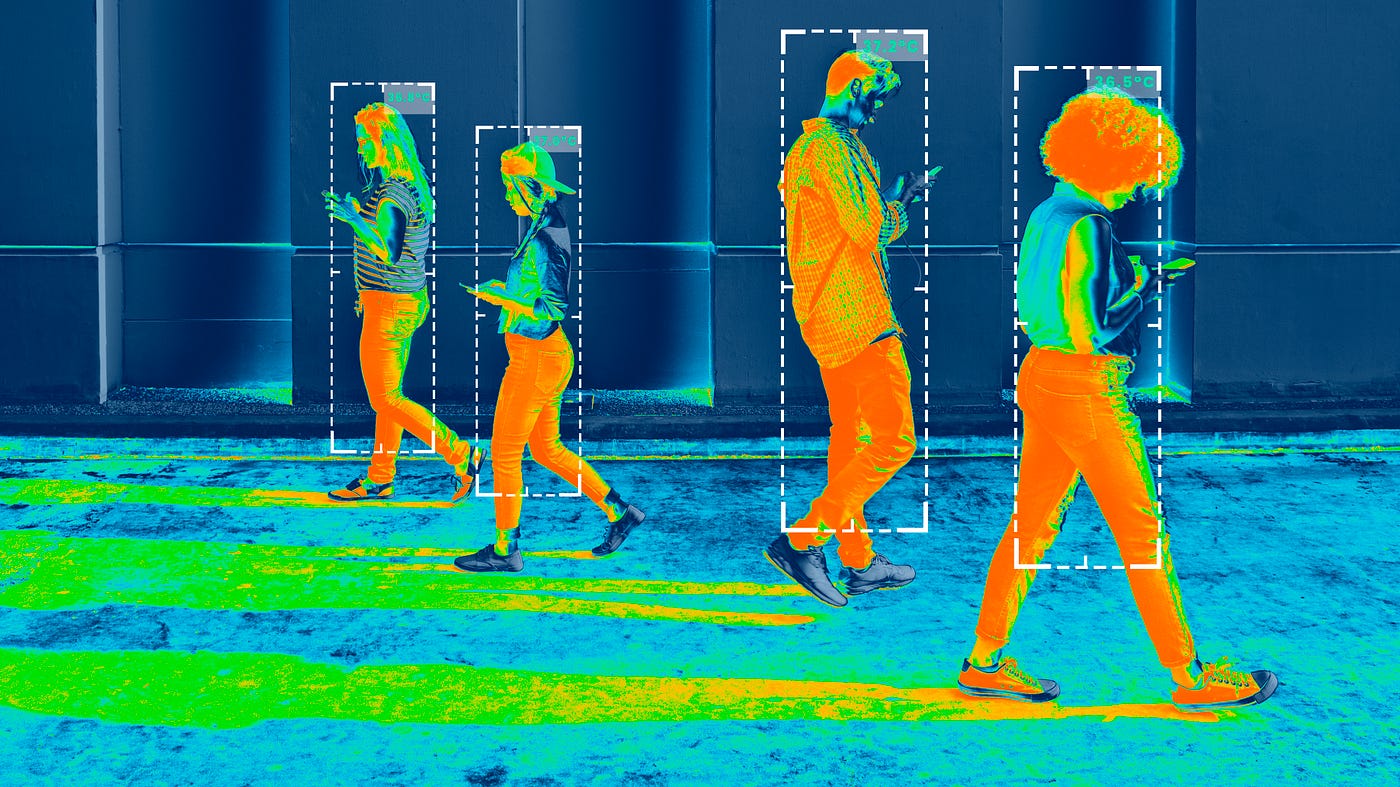
Fixed thermal systems and a Thermal imaging camera provide continuous observation in high-value areas. These units are long term stable and are best suited to control processes, security as well as detecting fire early. They become part of network systems and assist alarm thresholds to be analyzed centrally.
Why professional interpretation matters
Pictures speak, and only skilled thermographers are able to comprehend the story appropriately. It is context-dependent, i.e. interpretation will need condition of load, temperature of the ambient and history of equipment, and such experience will avoid false positives. Certified practitioners adhere to criteria of data gathering and writing of reports and as such, the findings are not hard to implement and can be used to defend against compliance audits. Effective background and judgment experience minimize unnecessary repairs.
Common findings and their implications
- Loose lugs or deteriorating terminals that create hotspots and fire risks. Electrical Thermography commonly reveals these issues early.
- Imbalanced loads that indicate distribution problems.
- Failing components that signal imminent failure.
- Installation flaws that accelerate wear and shorten equipment life.
FLIR fixed camera series — what to expect
FLIR fixed range is designed to be used in persistent monitoring with industrial, security, and traffic versions. A Thermal imaging camera helps capture fine thermal detail. Anticipate several possible model selections on the matters of resolution and sensitivity, lens selections as per field-of-view requirement, and weatherproofing to use outside.
Safety and procedural best practices
For accurate results, inspections (Electrical Thermography) should be performed by qualified personnel with calibrated instruments. The scans made in the normal working conditions indicate the most pertinent data. Corrective measures, grading of severity and proposed schedules of repairs should also be included in the report. Severity grading is clear to aid in scheduling of work done by maintenance teams.
Measuring ROI and risk reduction
Emergency repair and down time expenses can be prejudiced by a preventive inspection. The historical pictures indicate that after the corrective work, the trends are reduced and the payback on the investment is quantifiable and it results in reduced outages that could not be planned. Scheduled imaging is a maintenance plan that allows reducing unexpected outages and enhancing life expectancy of assets.
Case in point
At a single facility, regular imaging of an affected busbar revealed a slow increase in temperature. Thermal imaging camera evidence guided targeted tightening and replacement that avoided a fault which would have resulted in extended downtime and costly replacement parts. Raising temperature data and responding to it maintained the continuity of production and saved lives and property.
Compliance and reporting options
Reports could be provided in line with the global standard or client specifications. All the deliverables have pictures, measurement, and position data, and suggested actions. The insurance reviews, audits and internal maintenance planning are backed by that documentation. **Electrical Thermography** reporting helps you demonstrate due diligence to stakeholders.
Questions we often hear
Q: How frequently do you want to conduct an inspection?
A: Each equipment has a frequency that is dependent on the criticality and operating conditions; the risk systems can require quarterly and semi-annual checks respectively.
Q: Does scanning interfere with operations?
A: No. Tests are conducted on systems at normal load which are non-invasive and done intentionally.
Q: Am I provided with clear instructions on corrective work?
A: Yes. Reports give priority to the problems and suggest remedial measures to allow the teams to operate effectively.
Keeping Heat Under Control
Assets, people, and schedules are safeguarded by regular thermal checks. A Thermal imaging camera combined with certified thermographers gives early warnings that lead to safer, more reliable operations. To assist the establishment of an evidence-based program that can keep the heat under control, Trust **PRO THERMAL IMAGING LLC** will be able to assist in the establishment of an evidence-based program and facilitate its implementation.
To request a practical evaluation or schedule a survey, please e-mail info@prothermalimaging.com. Our crew will be able to recommend what types of fixed or portable to use and draw a flexible inspection plan. We offer a flexible schedule in accordance with shift patterns and access to the facility.
메타데이터
- post_id
- 4fde6a1a40ae
- slug
- prevent-electrical-failures-before-they-start-the-role-of-thermal-imaging-cameras-4fde6a1a40ae
- url
- https://medium.com/@prothermalimaging8/prevent-electrical-failures-before-they-start-the-role-of-thermal-imaging-cameras-4fde6a1a40ae
- canonical_url
- https://medium.com/@prothermalimaging8/prevent-electrical-failures-before-they-start-the-role-of-thermal-imaging-cameras-4fde6a1a40ae
- author_url
- https://medium.com/@prothermalimaging8
- status
- ok
- fetched_at
- 2026-07-15 13:38:05