Healthy Families Don’t Need a Villain to Stay Connected
When your family bonds over hating you
Healthy Families Don’t Need a Villain to Stay Connected
When your family bonds over hating you

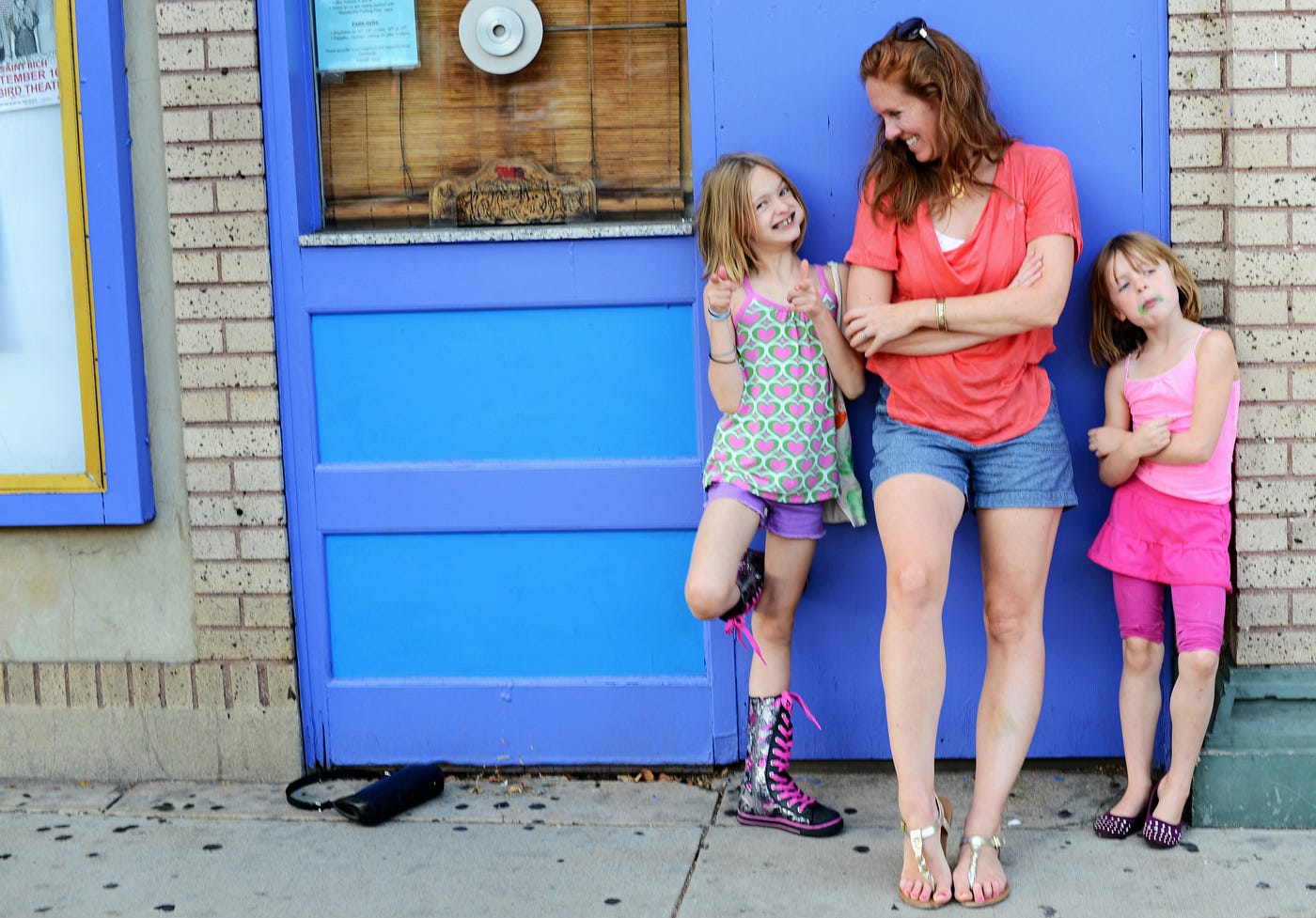
Photo by SLAYTINA | Pexels
In some families, unity doesn’t come from warmth or shared values; it comes from having someone to blame. That person is often the most sensitive, honest, or different one — the black sheep, the f**k up, the scapegoat. The truth — healthy families don’t need a villain to stay connected.
Family scapegoating is an insidious form of child emotional abuse
“Family scapegoating” — a type of situation when a certain family member is assigned the role of someone who carries the blame for all conflicts, problems, or dysfunctional behavior within the family. In a study conducted in 2023 among 504 emerging adults, high levels of narcissistic parents were associated with scapegoating, resulting in anxiety and depression symptoms.
Other research conducted by Rebecca C. Mandeville, a clinician who introduced the concept of “Family Scapegoating Abuse (FSA)” defined it as an insidious and systemic form of emotional abuse when a scapegoat suffers from chronic invalidation and blame, and exclusion. A peer-reviewed study, conducted in 2025, was the first study proving the impact of FSA on ACEs and psychological well-being.
Families choose a “villain” because they cannot handle their own emotions
Families don’t wake up and decide to scapegoat a member of the family. It happens slowly and unconsciously — as a way to manage unbearable emotional tension. Researchers explain that when a family can’t tolerate conflict, shame, or unmet needs, they unconsciously look for a “container” for that pain — and one person gets assigned that role.
Here’s the core dynamic:
- Unresolved pain must have an outlet. In families where there is high anxiety, or narcissism, or where emotions cannot be regulated, the parents are not able to cope with their shame, fear, and failure.
- Unity through blame. Scapegoating results in an illusion of unity. Once everyone in the family identifies that individual as the source of the conflict, other members feel temporary security and unity among themselves. Family therapy researchers note that this is a form of triangularization — two people reduce their tension by focusing on a third.
- The most perceptive child gets targeted. Strangely, the very child who is emotionally mature and capable of differentiating reality gets scapegoated. According to the trauma literature, the insightfulness of that individual makes him/her dangerous to the abusive family system.
- It’s reinforced over time. Once the role is assigned, it’s maintained through gaslighting, exclusion, and blame-shifting. The family doesn’t question it — because questioning it would mean facing the pain they’ve been avoiding — because they know they have caused the pain.
If you grew up as the family scapegoat — your pain is valid — and so is your truth
Healing doesn’t mean convincing your family you weren’t the problem. It means learning to trust yourself again, even if they never change their ways. Clinicians recommend building “corrective relational experiences” — safe relationships where your feelings are believed, your boundaries are honored, and your worth isn’t up for debate.
You were never meant to carry the weight of your family’s unhealed pain — and you don’t have to.
Seth Jantz | Content creator with a master’s in psychology
메타데이터
- post_id
- 506ebea9c671
- slug
- healthy-families-dont-need-a-villain-to-stay-connected-506ebea9c671
- url
- https://medium.com/@sethjantz/healthy-families-dont-need-a-villain-to-stay-connected-506ebea9c671
- canonical_url
- https://medium.com/@sethjantz/healthy-families-dont-need-a-villain-to-stay-connected-506ebea9c671
- author_url
- https://medium.com/@sethjantz
- status
- ok
- fetched_at
- 2026-07-17 21:18:38