Why Workflow Engines Are Becoming AI-Native
Workflow engines were built for a different kind of system.
Why Workflow Engines Are Becoming AI-Native

Workflow engines were built for a different kind of system.
They assumed that processes are predictable, steps are predefined, and outcomes follow fixed paths.
A request comes in. A sequence executes. A result is produced.
This model works for deterministic software.
It does not hold for agentic systems.
Because agents do not follow fixed paths.
They adapt, branch, retry, and make decisions at runtime.
This is forcing a shift.
Workflow engines are no longer just coordinating predefined steps.
They are evolving to support dynamic, decision-driven execution.
They are becoming AI-native.
The Limits of Traditional Workflow Design
Traditional workflow engines rely on explicit definitions.

Each step is configured in advance.
Conditions are rule-based.
Execution paths are known before runtime.
This creates stability.
It also creates rigidity.
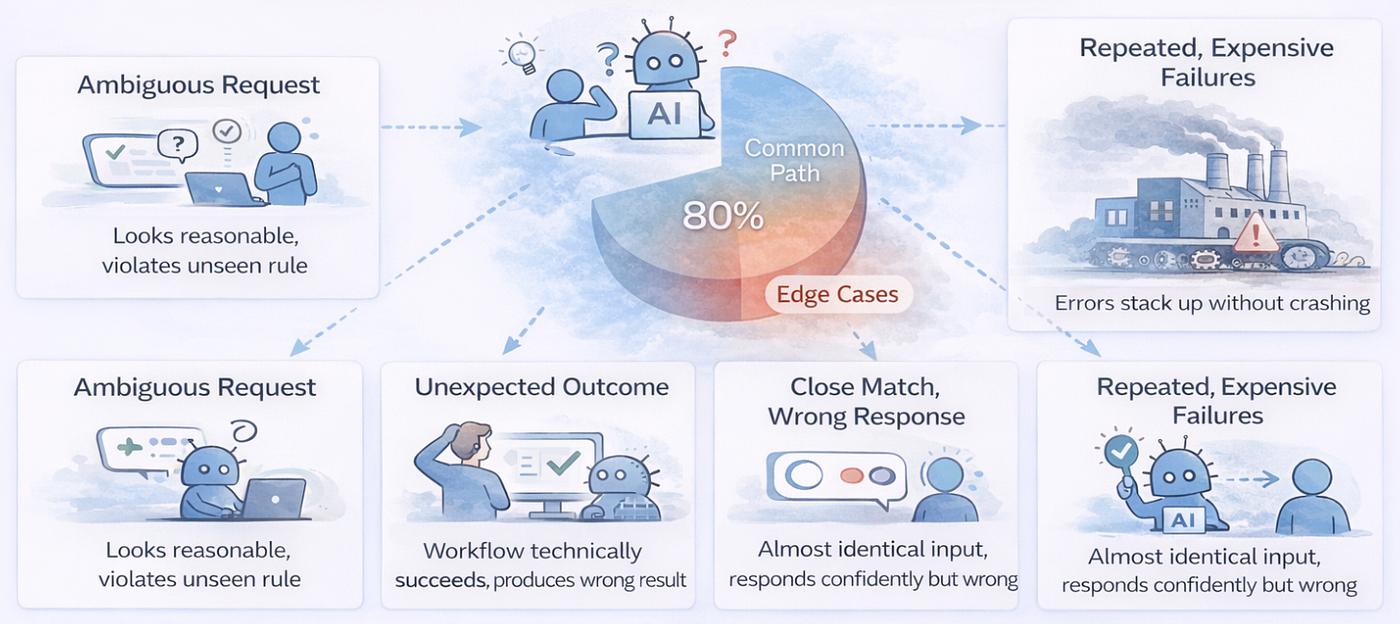
In agentic systems, the next step is often not known in advance.
An agent may need to retrieve additional context, call a tool, re-evaluate a decision, or change direction entirely.
These behaviors cannot be fully captured through static workflows.
When forced into rigid structures, systems either break or become overly complex to maintain.
The limitation is not in the tool.
It is in the assumption that workflows are fixed.
What Makes a Workflow AI-Native
AI-native workflow engines are designed for systems where decisions happen during execution.

They do not just execute steps.
They manage uncertainty.
This includes:
Dynamic task sequencing based on intermediate outputs
Conditional branching driven by model decisions
Integration with probabilistic components
Support for retries, loops, and adaptive paths
Continuous evaluation of outcomes during execution
The workflow is no longer a static graph.
It is a controlled environment for decision-making systems.
Structure still exists.
But it is flexible rather than fixed.
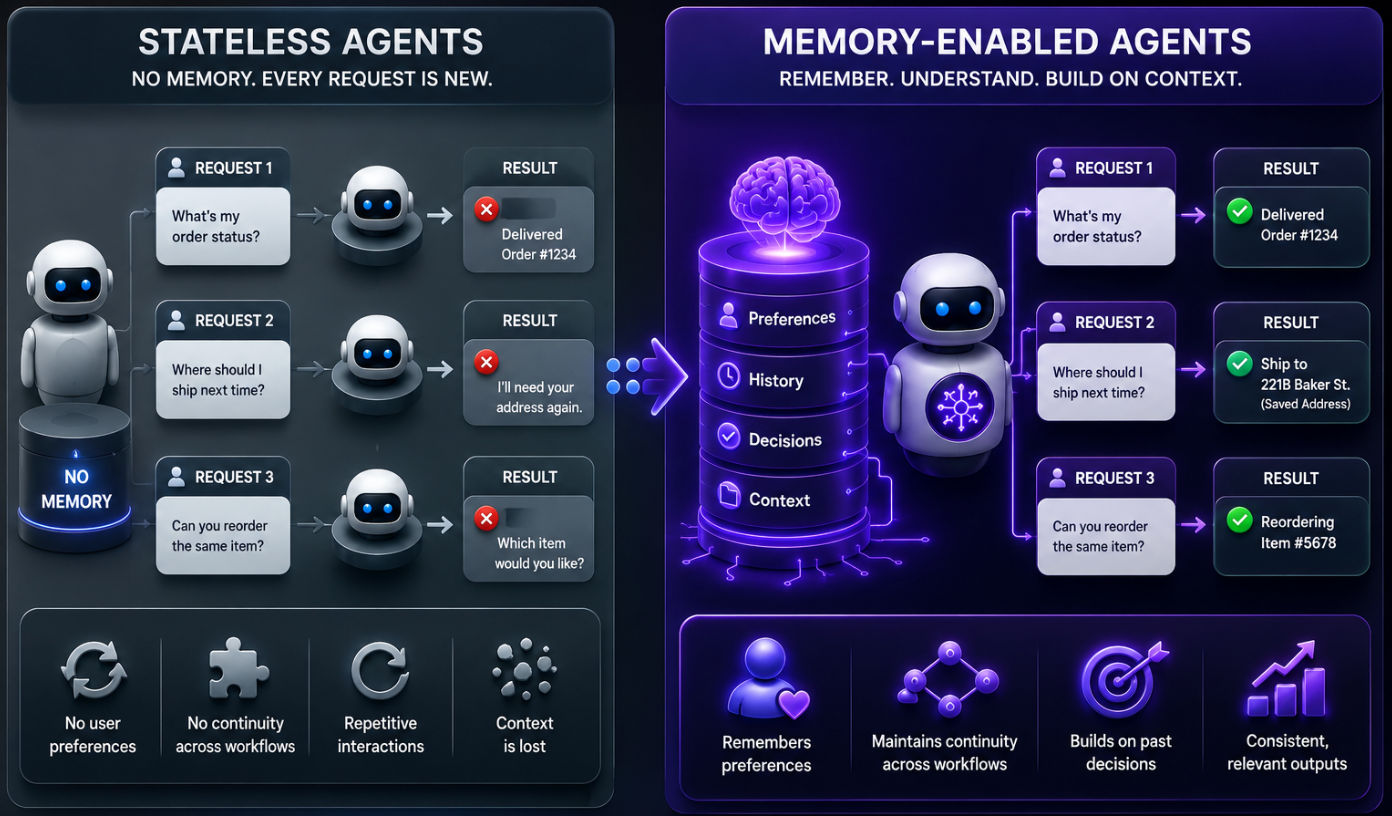
Managing State in Dynamic Systems
State management becomes more complex in AI-driven workflows.

In traditional systems, state transitions are predefined.
In agentic systems, the state evolves based on decisions made at runtime.
The system must track:
- Intermediate outputs across steps
- Context passed between agents and tools
- Changes in workflow direction
- History of decisions and retries
Without structured state management, workflows lose coherence. Steps operate on incomplete or outdated information. Outputs become inconsistent.
AI-native engines treat state as a first-class component.
They ensure that context is preserved, updated, and accessible throughout execution.
Observability at the Workflow Level
Monitoring traditional workflows is straightforward.

Each step either succeeds or fails.
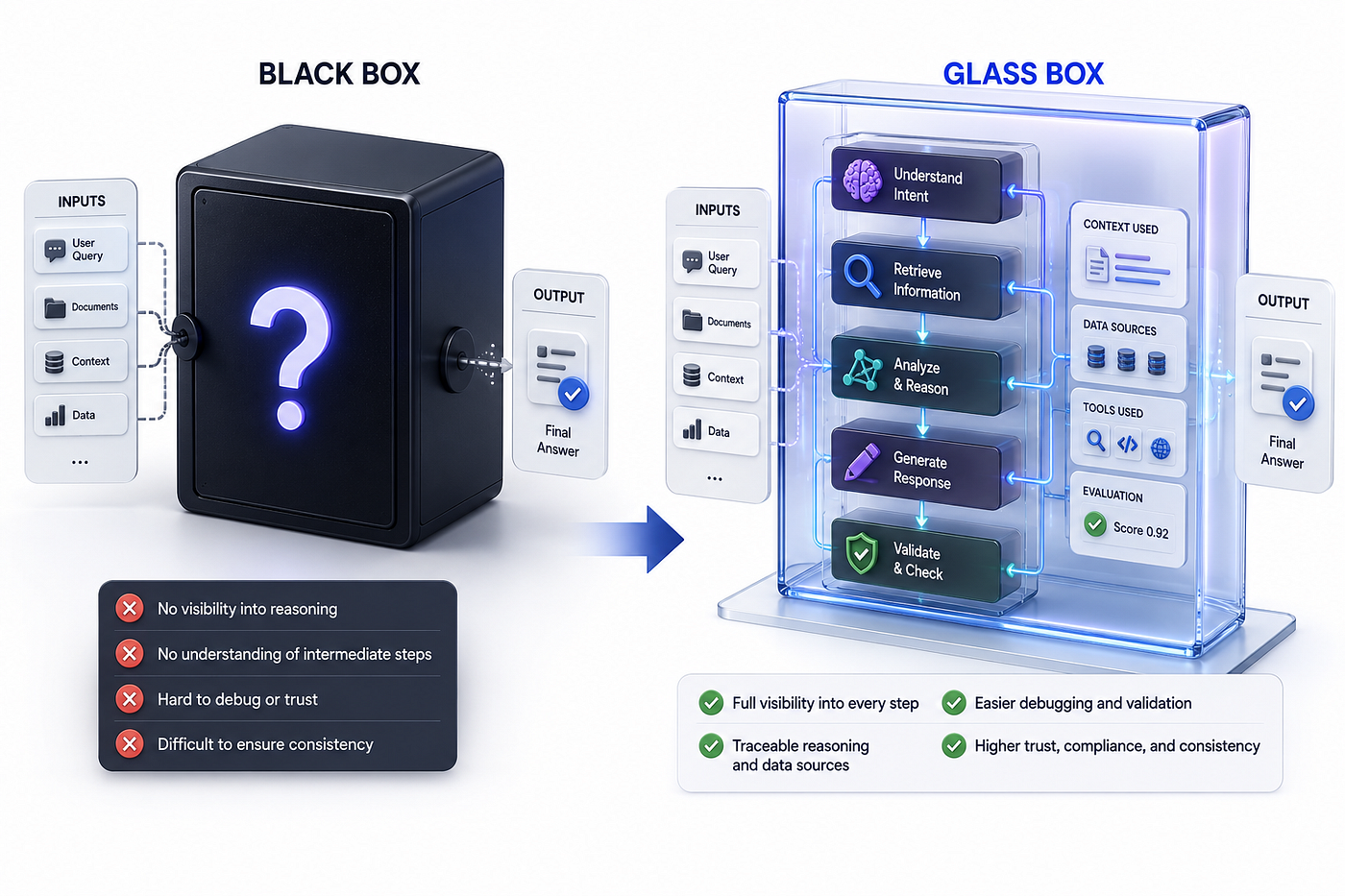
Agentic workflows require deeper visibility.
It is not enough to know that a workflow has been completed.
Teams need to understand:
- How decisions were made across steps
- Where deviations occurred
- Why were retries triggered
- How outputs evolved during execution
AI-native workflow engines provide this level of observability.
They capture execution paths, decision points, and interaction patterns.
This makes it possible to debug, evaluate, and improve systems over time.
Without it, systems become opaque as complexity increases.
The Shift from Automation to Adaptive Systems
The role of workflow engines is changing.

They are no longer just automating predefined processes.
They are enabling adaptive systems.
Systems that can respond to changing inputs, handle variability, and make decisions within structured boundaries.
This requires a different mindset.
From defining exact steps to defining constraints and rules
From controlling every path to guiding possible paths
From static execution to dynamic coordination
AI-native workflow engines are built for this shift.
They provide structure without eliminating flexibility.
Closing Insight
Workflow engines are not becoming obsolete.
They are evolving.
The rise of agentic systems demands infrastructure that can handle dynamic execution, probabilistic decisions, and continuous adaptation.
AI-native workflow engines meet that need.
They transform workflows from fixed sequences into controlled environments for intelligent systems to operate.
Because in production, the challenge is not just executing steps.
It is coordinating decisions across those steps in a way that remains reliable, observable, and aligned with real-world complexity.
Book a demo with **AlignX AI** to see how we can help your AI initiatives
메타데이터
- post_id
- 50eace466eb7
- slug
- why-workflow-engines-are-becoming-ai-native-50eace466eb7
- url
- https://medium.com/@AlignX_AI/why-workflow-engines-are-becoming-ai-native-50eace466eb7
- canonical_url
- https://medium.com/@AlignX_AI/why-workflow-engines-are-becoming-ai-native-50eace466eb7
- author_url
- https://medium.com/@AlignX_AI
- status
- ok
- fetched_at
- 2026-07-13 06:23:13