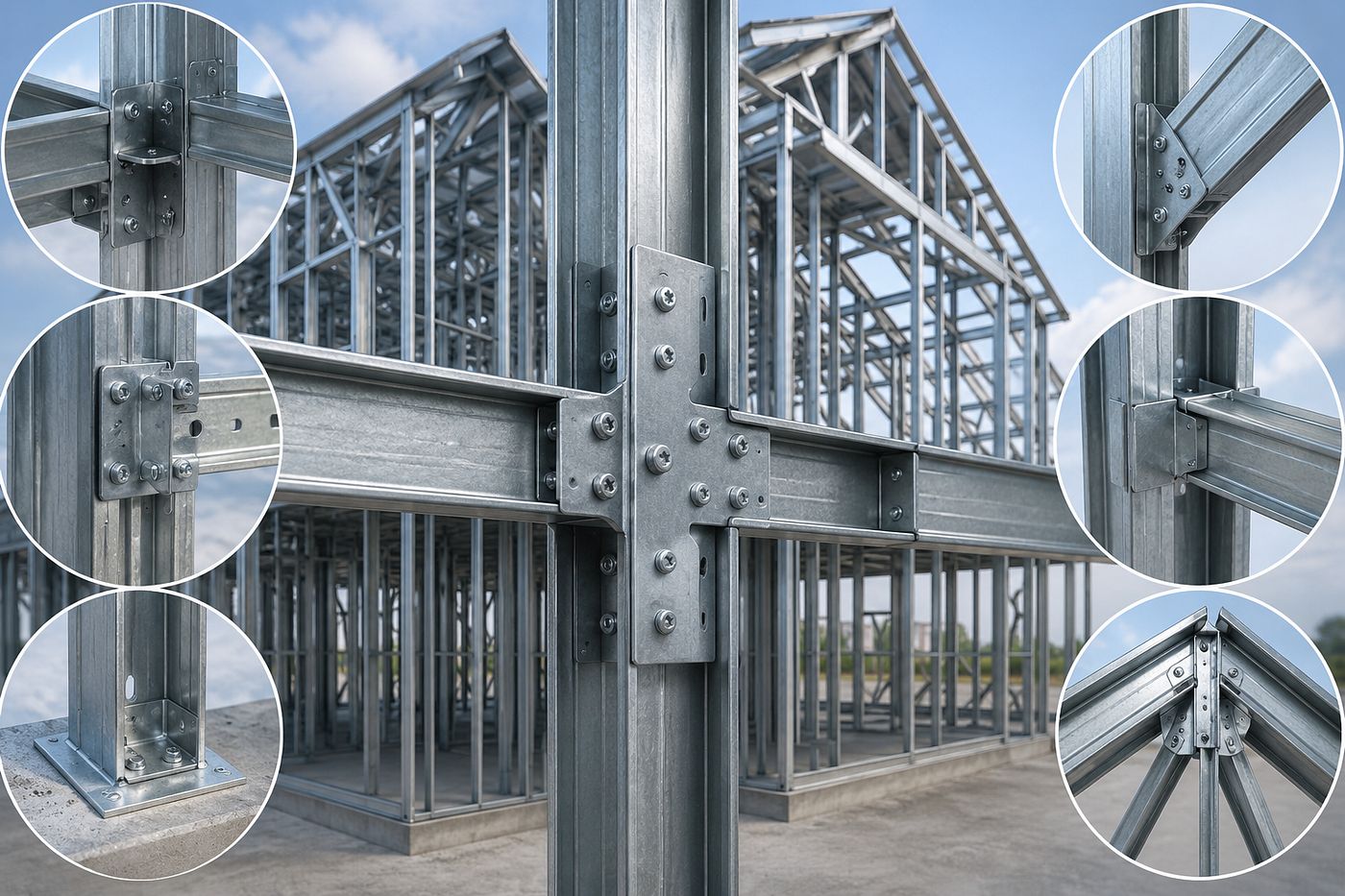
BIM CLASH DETECTION IN LIGHT GAUGE STEEL PROJECTS:REDUCING ERRORS BEFORE BUILD
In today’s fast-moving light gauge steel (LGS) construction industry, even a small coordination mistake can lead to costly rework, project…
BIM CLASH DETECTION IN LIGHT GAUGE STEEL PROJECTS:REDUCING ERRORS BEFORE BUILD
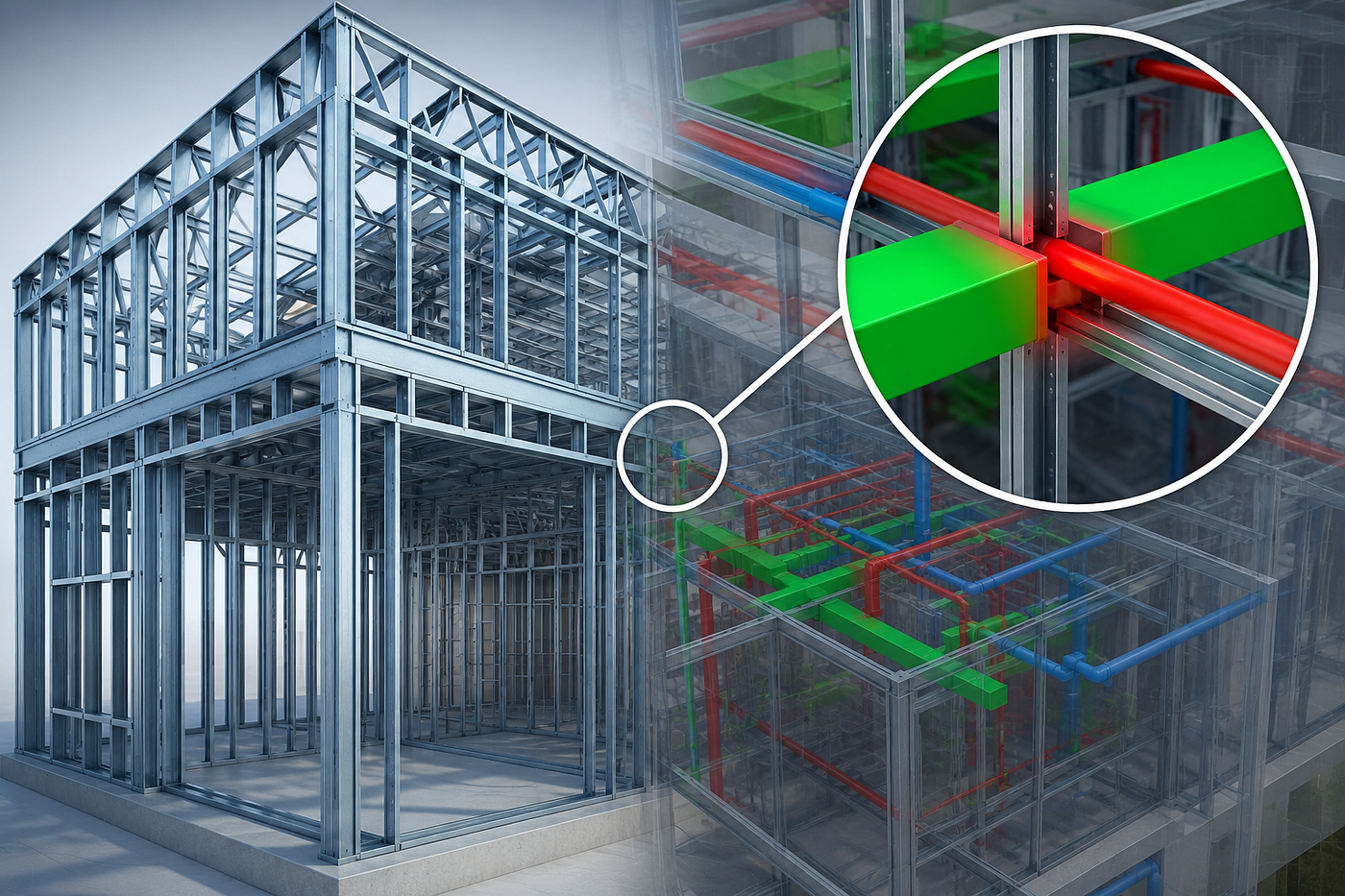
In today’s fast-moving light gauge steel (LGS) construction industry, even a small coordination mistake can lead to costly rework, project delays, and unexpected expenses. That’s why BIM clash detection has become an essential part of modern project planning. By identifying conflicts between structural, architectural, and MEP systems during the design stage, project teams can resolve issues long before construction begins. This proactive approach improves collaboration, minimizes on-site disruptions, reduces material waste, and keeps projects on schedule and within budget, resulting in smoother execution and better overall project performance.
Understanding BIM Clash Detection in Steel Construction
BIM clash detection uses intelligent 3D modeling to identify conflicts between building systems before construction begins. In light gauge steel (LGS) projects, it plays a vital role because steel components are manufactured with high precision and require seamless coordination with structural framing, MEP services, and architectural elements.
The process brings together models from structural, mechanical, electrical, plumbing, and architectural teams into a shared coordination platform. The software automatically detects overlapping components, insufficient clearances, and sequencing conflicts, allowing teams to resolve issues early and avoid costly delays or rework on site.
01 Model Integration Merge models from every discipline
02 Automated Detection Identify clashes and conflicts
03 Review & Coordination Resolve issues collaboratively
04 Documentation Record, track, and share updates
Why Light Gauge Steel Projects Require Precise Coordination
Light Gauge Steel (LGS) construction relies on exceptional accuracy from design through installation. Unlike traditional wood framing, where small on-site adjustments are possible, LGS components are factory-manufactured to exact dimensions. Even minor coordination issues can lead to installation delays, costly rework, material waste, and project disruptions, making early planning and collaboration essential.
Fabrication Accuracy LGS components are manufactured off-site using detailed shop drawings and precise dimensions. If design conflicts or measurement errors are discovered during installation, affected members often require re-fabrication, increasing costs and delaying project progress.
MEP Coordination Mechanical, electrical, and plumbing (MEP) systems must fit accurately within the steel framing layout. Without proper coordination, clashes between framing and building services can prevent smooth installation and force expensive on-site modifications.
Installation Sequencing Successful LGS construction depends on a well-planned installation sequence. Installing components in the wrong order can restrict access for following trades, interrupt workflows, delay schedules, and reduce overall site productivity.
The ROI of Clash Detection: Real Cost Savings
75% Fewer RFIs Reduce requests for information through early design coordination and proactive clash resolution.
$50K Average Savings Typical savings per project by preventing costly rework, delays, and onsite conflicts.
3–4 Weeks Schedule Savings Time commonly saved on mid-sized projects through streamlined coordination and fewer construction interruptions.
90% Issues Resolved Early Most design clashes are identified and fixed before construction begins, minimizing field disruptions.
Investing in clash detection delivers measurable value beyond preventing errors. Early coordination improves communication across project teams, reduces change orders, strengthens collaboration with subcontractors, and enhances overall construction quality. In light gauge steel (LGS) projects, the investment often pays for itself during the initial coordination phase by eliminating conflicts before they impact the job site, helping projects stay on schedule and within budget.
Building an Effective Clash Detection Workflow
A successful clash detection process is built on planning, collaboration, and consistency — not just advanced software. The best project teams make clash detection a core part of their BIM workflow by assigning clear responsibilities, holding regular coordination meetings, and following a defined process for tracking and resolving conflicts.
Begin by setting common modeling standards so every discipline develops models with the right level of detail. Define realistic clash tolerance zones based on construction methods, installation requirements, and project goals. Establish recurring coordination reviews — typically once a week during design development and increasing to twice a week as construction documentation progresses — to identify and resolve issues before they reach the site.
Week 1–2: Setup Establish BIM standards, assign team roles, configure clash detection settings, and define tolerance zones.
Week 3–8: Design Coordination Conduct weekly clash detection reviews, document conflicts, and work with all disciplines to resolve coordination issues.
Week 9–12: Construction Documentation Increase coordination to twice-weekly reviews, eliminate remaining major clashes, and prepare fabrication-ready, clash-free models.
Construction Phase Continue validating models, resolve field coordination issues, update as-built information, and verify completed installations.
Common Clash Types in Light Gauge Steel Projects
Not every clash has the same level of impact. Identifying the type of clash helps project teams prioritize issues, improve coordination, and focus resources where they matter most. Hard clashes occur when two building components occupy the same physical space and must be resolved immediately. Soft clashes involve insufficient clearances, while workflow clashes highlight installation or sequencing conflicts that can disrupt construction even without direct physical interference.
Structural Conflicts
Structural clashes occur when steel framing members interfere with columns, beams, floor systems, or load-bearing components. Joist penetrations and framing misalignments can compromise structural performance and must be addressed first to maintain safety, stability, and proper load transfer.
MEP Interferences
Mechanical, electrical, and plumbing systems often compete for limited space within LGS framing. Common issues include ducts crossing structural members, conduits blocked by studs, or plumbing lines conflicting with joists. Early coordination between design teams helps optimize routing and avoid costly site modifications.
Clearance Violations
Clearance clashes arise when required installation, maintenance, or code-compliant access spaces are not maintained. Although these conflicts may not involve direct physical contact, they can hinder construction, reduce serviceability, and create long-term operational challenges if left unresolved.
How Consac Optimizes BIM Workflows for Steel Projects
At Consac, we’ve developed a practical and efficient BIM coordination process tailored for light gauge steel projects. Drawing on years of experience across commercial, residential, and industrial developments, we combine advanced BIM technology with real-world construction expertise to identify and resolve issues before they reach the job site.
Our team creates project-specific clash detection strategies that define clear tolerances, conflict priorities, and resolution procedures based on your fabrication and installation requirements. Through regular coordination meetings, we work closely with architects, structural engineers, MEP consultants, and contractors to review clash reports and agree on practical solutions. Rather than simply identifying clashes, we recommend resolutions that improve fabrication accuracy, installation sequencing, construction efficiency, and overall project cost.
Standards Setup Customized BIM standards aligned with your fabrication and project workflows.
Automated Detection Routine clash detection with intelligent filtering for accurate results
Coordinated Resolution Collaborative coordination sessions with all project stakeholders
Quality Validation Final verification of clash-free models ready for fabrication and construction
Key Takeaways: Making BIM Clash Detection Deliver Better Results
1. Start Coordination Early Begin clash detection during the early design stages instead of waiting until construction documents are finished. Identifying conflicts early gives the team greater flexibility to make design changes before they become costly issues.
2. Set Clear Standards from the Beginning Define project-specific modeling guidelines, clearance requirements, and coordination responsibilities before collaboration begins. When everyone follows the same standards, the coordination process becomes faster and more reliable.
3. Resolve the Most Critical Clashes First Not every clash has the same level of impact. Prioritize issues that affect structural stability, major MEP systems, and fabrication accuracy before focusing on smaller clearance or cosmetic conflicts.
4. Connect Coordination with Fabrication Make sure the coordinated BIM model flows directly into shop drawings and fabrication workflows. The objective is to deliver installation-ready models that minimize site conflicts, rework, and unexpected delays.
BIM clash detection has evolved from an optional coordination service into a critical component of successful light gauge steel construction. By adopting structured coordination processes, maintaining clear communication across disciplines, and partnering with experts who understand both BIM workflows and steel fabrication, project teams can reduce risks, improve project efficiency, and control costs. Investing in effective clash detection delivers long-term value throughout every stage of the project — from design and fabrication to construction and final handover.
메타데이터
- post_id
- 50ffce2ee5fb
- slug
- bim-clash-detection-in-light-gauge-steel-projects-reducing-errors-before-build-50ffce2ee5fb
- url
- https://medium.com/consights/bim-clash-detection-in-light-gauge-steel-projects-reducing-errors-before-build-50ffce2ee5fb
- canonical_url
- https://medium.com/consights/bim-clash-detection-in-light-gauge-steel-projects-reducing-errors-before-build-50ffce2ee5fb
- author_url
- https://medium.com/@srijanichatterjee21
- status
- ok
- fetched_at
- 2026-07-15 09:23:51