How Does Jacob’s Story Reflect Divine Election?
The narrative of Jacob in the biblical tradition stands as one of the most compelling explorations of divine election in the Hebrew…
How Does Jacob’s Story Reflect Divine Election?
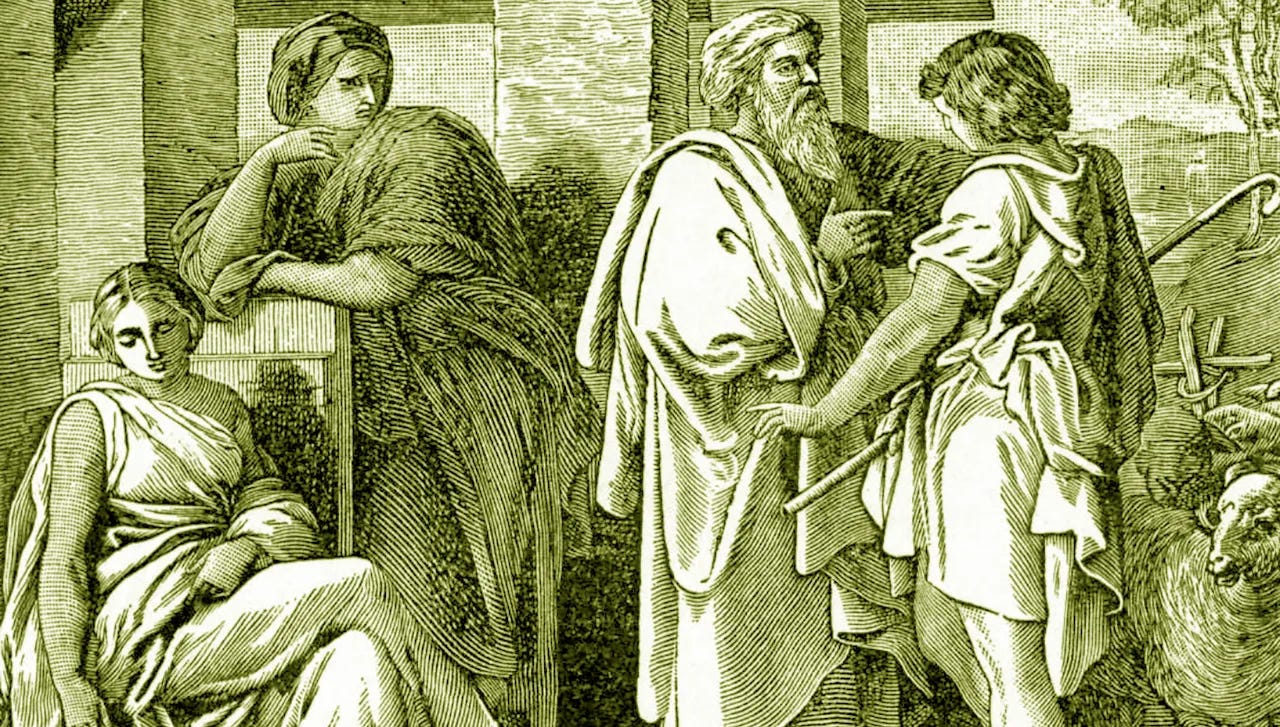
The narrative of Jacob in the biblical tradition stands as one of the most compelling explorations of divine election in the Hebrew Scriptures. His story, primarily found in the Book of Genesis, unfolds as a complex journey marked by deception, struggle, transformation, and eventual blessing. Unlike figures who appear immediately righteous or deserving, Jacob’s life raises profound theological questions about why certain individuals are chosen and how divine purpose operates beyond human expectations. The theme of divine election — God’s sovereign choice of individuals for a specific role — emerges vividly through Jacob’s experiences, revealing a pattern of grace, transformation, and covenantal fulfillment.
The Concept of Divine Election in Jacob’s Narrative
Divine election refers to the idea that God selects individuals or groups for particular purposes, often independent of their merit or status. In the story of Jacob, this concept is introduced even before his birth, setting the stage for a life shaped by divine intention rather than human convention.
The Oracle Before Birth
Jacob’s election is first revealed in the prenatal narrative involving his mother, Rebekah. During her pregnancy, she experiences a struggle within her womb, prompting a divine revelation that “the older shall serve the younger.” This statement overturns the cultural norm of primogeniture, where the firstborn son traditionally held privilege and authority.
This early declaration establishes that Jacob’s role is not earned but assigned. Divine election, in this context, challenges human systems of hierarchy and expectation. It suggests that God’s purposes operate according to a different logic, one that prioritizes divine will over societal structures.
Election Beyond Merit
Jacob’s early actions do not immediately align with traditional notions of virtue. He acquires his brother Esau’s birthright through negotiation and later deceives his father Isaac to receive the blessing intended for the firstborn. These actions have often been interpreted as morally ambiguous, if not outright problematic.
Yet, the narrative does not present Jacob’s election as contingent upon moral perfection. Instead, it underscores that divine choice precedes and transcends human behavior. This aspect of Jacob’s story highlights a key dimension of divine election: it is grounded in divine sovereignty rather than human merit.
The Role of Struggle in Jacob’s Election
Jacob’s life is characterized by ongoing struggle, both external and internal. These struggles are not incidental but are integral to his transformation and understanding of his chosen role.
Conflict with Esau
The tension between Jacob and his brother Esau begins in the womb and continues into adulthood. This conflict reflects the broader theme of reversal and divine selection. Despite being the younger twin, Jacob becomes the bearer of the covenantal promise.
The rivalry also serves to illustrate the cost of election. Jacob’s actions lead to estrangement from his family, forcing him into exile. This displacement becomes a formative experience, shaping his character and deepening his reliance on divine guidance.
The Encounter at Bethel
One of the most significant moments in Jacob’s story occurs during his journey away from home, when he experiences a vision at Bethel. In this vision, he sees a ladder or stairway connecting heaven and earth, with angels ascending and descending upon it.
This encounter reaffirms the promises made to his grandfather Abraham and father Isaac. God declares that the covenant will continue through Jacob, ensuring land, descendants, and blessing. Importantly, this revelation occurs while Jacob is in a vulnerable and uncertain state, emphasizing that divine election is accompanied by divine presence.
The Bethel experience marks a turning point, as Jacob begins to recognize the reality of his calling. It introduces the idea that election is not merely a status but a relationship that unfolds over time.
Transformation as Evidence of Divine Election
A central aspect of Jacob’s story is his transformation from a cunning and self-reliant individual into a figure marked by humility and faith. This transformation is essential for understanding how divine election operates.
Years of Service and Growth
Jacob’s time in the household of Laban serves as a period of testing and development. During these years, he experiences deception similar to what he once practiced, particularly in the circumstances surrounding his marriages to Leah and Rachel.
This reversal highlights a moral and spiritual maturation process. Jacob learns patience, perseverance, and the consequences of manipulation. These experiences contribute to his growth, aligning him more closely with the responsibilities of his chosen role.
Wrestling with the Divine
Perhaps the most profound moment in Jacob’s transformation occurs during his encounter at the Jabbok River. On the eve of his reunion with Esau, Jacob wrestles with a mysterious figure throughout the night. This struggle culminates in a blessing and a new name: Israel, meaning “one who struggles with God.”
This episode encapsulates the essence of divine election in Jacob’s life. It demonstrates that being chosen does not eliminate struggle but intensifies it. The wrestling symbolizes an ongoing engagement with the divine, where faith is forged through perseverance and confrontation.
The renaming of Jacob signifies a new identity, reflecting both his past struggles and his future role as the patriarch of a nation. It marks the culmination of his transformation and the fulfillment of his election.
The Covenant and Its Fulfillment Through Jacob
Jacob’s story is inseparable from the broader narrative of the covenant, which forms the foundation of the biblical understanding of divine election.
Continuity of the Abrahamic Promise
The promises given to Abraham — land, descendants, and blessing — are reaffirmed in Jacob’s life. Despite the complexities of his character and circumstances, Jacob becomes the conduit through which these promises are realized.
His twelve sons eventually form the twelve tribes of Israel, establishing the foundation of a people chosen for a unique relationship with God. This continuity underscores the enduring nature of divine election, which extends beyond individuals to encompass entire communities.
Election as Responsibility
Divine election in Jacob’s story is not merely a privilege but also a responsibility. As the bearer of the covenant, Jacob is tasked with preserving and transmitting the promises to future generations.
This responsibility is reflected in his later actions, including his return to Bethel and his efforts to reconcile with Esau. These moments demonstrate a growing awareness of his role and a commitment to living in accordance with his calling.
Theological Implications of Jacob’s Story
The narrative of Jacob offers significant insights into the nature of divine election and its implications for understanding the relationship between God and humanity.
Grace and Sovereignty
One of the most striking aspects of Jacob’s story is the emphasis on grace. Divine election is portrayed as an act of grace, unearned and freely given. This challenges human notions of fairness and merit, inviting a deeper reflection on the nature of divine justice.
At the same time, the story affirms God’s sovereignty. The unfolding of events, from the prenatal oracle to the establishment of the covenant, reveals a purposeful design that transcends human intentions.
Transformation and Participation
Jacob’s journey illustrates that divine election involves both divine initiative and human response. While the initial choice is made by God, the process of transformation requires Jacob’s participation.
His struggles, decisions, and encounters contribute to his growth and understanding. This dynamic relationship highlights that election is not static but involves an ongoing process of engagement and development.
Frequently Asked Questions (FAQs)
What does divine election mean in the context of Jacob’s story?
Divine election in Jacob’s story refers to God’s sovereign choice of Jacob to inherit the covenantal promises and play a central role in the development of Israel, regardless of traditional expectations or personal merit.
Why was Jacob chosen over Esau?
Jacob’s selection over Esau is presented as part of God’s purpose rather than a result of human qualities. The decision, revealed before their birth, emphasizes that divine election operates according to divine will rather than cultural norms.
How does Jacob’s character affect his election?
Jacob’s character, marked by both flaws and growth, demonstrates that divine election is not based on perfection. Instead, it highlights the transformative power of divine engagement in shaping an individual’s life.
What is the significance of Jacob’s name change to Israel?
The name change signifies a transformation in identity and purpose. It reflects Jacob’s struggle with the divine and his emergence as a foundational figure in the formation of the Israelite nation.
How does Jacob’s story relate to the broader biblical narrative?
Jacob’s story continues the covenant established with Abraham and Isaac, serving as a bridge to the formation of the twelve tribes of Israel and the unfolding history of the biblical people.
What lessons can be drawn from Jacob’s experience of divine election?
Jacob’s story teaches that divine election involves grace, transformation, and responsibility. It emphasizes that being chosen is not about privilege alone but about participating in a larger purpose.
Conclusion
The story of Jacob provides a rich and multifaceted exploration of divine election. From his prenatal calling to his lifelong journey of struggle and transformation, Jacob’s life illustrates that divine choice is rooted in grace and guided by a purpose that transcends human understanding. His experiences reveal that election is not a static designation but a dynamic process involving growth, challenge, and covenantal fulfillment. Through Jacob, the narrative affirms that divine election is both a gift and a calling, shaping not only individual destinies but the course of history itself.
메타데이터
- post_id
- 5107bf261c7d
- slug
- how-does-jacobs-story-reflect-divine-election-5107bf261c7d
- url
- https://medium.com/@freebiblestudyhub/how-does-jacobs-story-reflect-divine-election-5107bf261c7d
- canonical_url
- https://medium.com/@freebiblestudyhub/how-does-jacobs-story-reflect-divine-election-5107bf261c7d
- author_url
- https://medium.com/@freebiblestudyhub
- status
- ok
- fetched_at
- 2026-06-24 11:06:28