Adimai Penn
Few films in the annals of Tamil cinema can claim the mythic resonance, political subtext, and sheer popular magnetism of Adimai Penn — M…
Adimai Penn
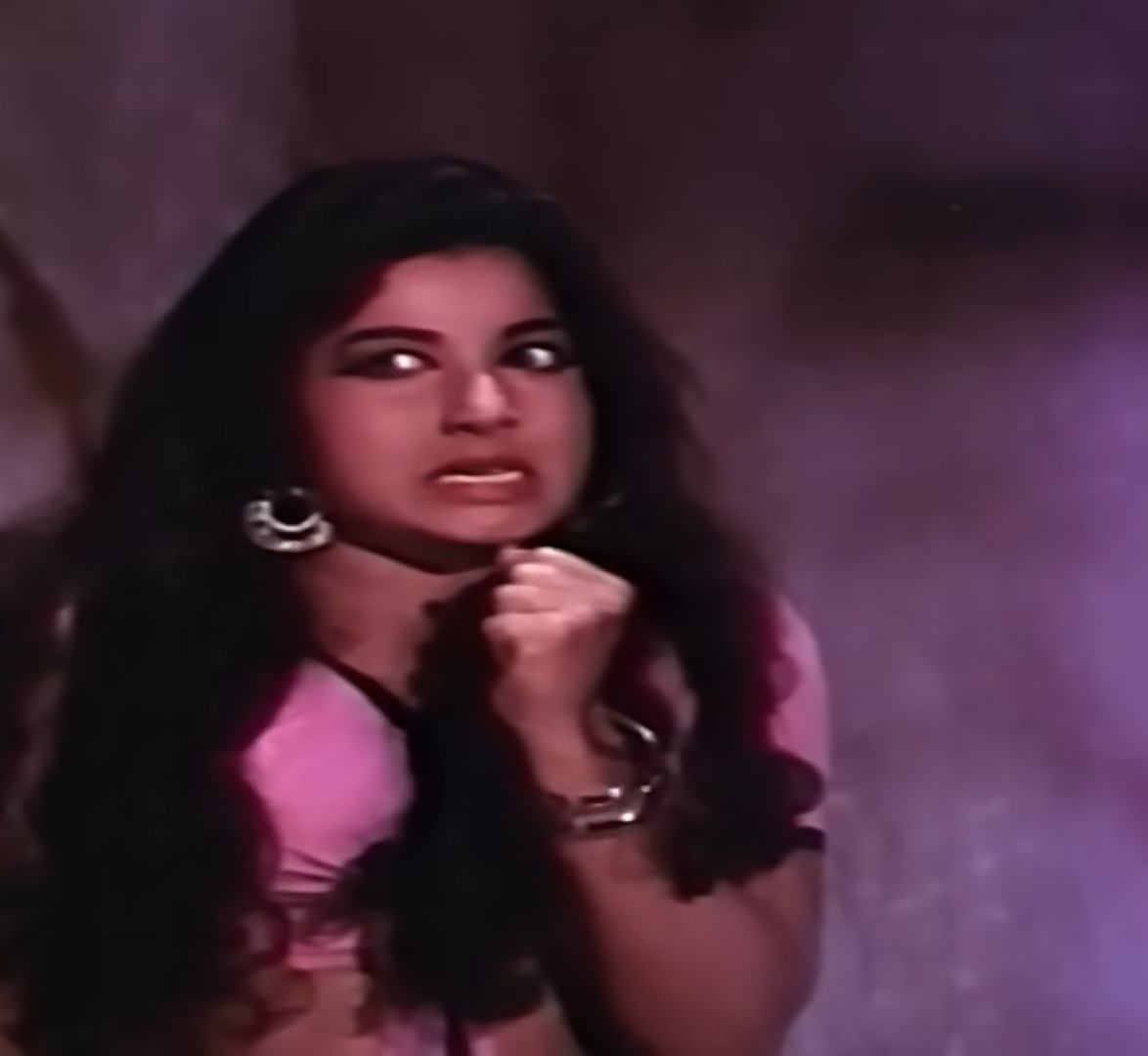
Few films in the annals of Tamil cinema can claim the mythic resonance, political subtext, and sheer popular magnetism of Adimai Penn — M. G. Ramachandran’s 1969 magnum opus that fused heroism, sacrifice, and spectacle in exhilarating measure. Directed by K. Shankar, this historical adventure unfurls as a stirring saga of a prince enslaved, a mother wronged, and a nation yearning for deliverance. It endures not merely as a cinematic milestone but as a cultural monument — an entertainment colossus that functioned equally as allegory, ideology, and apotheosis of its star.
The tale begins in the ancient kingdom of Vengaiya Naadu, ruled by the just and noble King Vengaiyan (MGR). His realm, a paragon of prosperity and peace, is threatened by the vindictive ambitions of Sengodan (S. A. Ashokan), a neighbouring monarch crippled in an earlier duel. Years ago, Sengodan’s lascivious pursuit of Queen Abhirami Mangamma (Pandari Bai) met with fierce resistance; in a moment of maternal fury, she severed his leg when he attacked her child.
Humiliated yet unbowed, Sengodan returns years later, thirsting for vengeance. Though Vengaiyan gallantly triumphs in their rematch — tying one leg to fight his foe on equal terms — the treacherous Sengodan murders him deceitfully and usurps the throne. The widowed queen flees into exile with her infant son, even as the once-free citizens of Vengaiya Naadu are reduced to a nation of slaves beneath Sengodan’s cruel yoke.
Years flow by. The prince, now grown (MGR again, in a deftly contrasted dual role), lives incognito — hunched, semi-mute, and broken in spirit. His sole protector, a loyal minister, perishes defending him, leaving the minister’s courageous granddaughter Jeeva (Jayalalithaa) to nurture the fallen heir.
Through her compassion and tenacity, Jeeva becomes his redeemer — teaching him to speak, to stand upright, and to remember his royal destiny. Their relationship, suffused with tenderness and moral strength, becomes the emotional spine of the narrative; it is through love’s quiet fortitude that the prince reclaims his purpose.
Meanwhile, in the neighbouring Pavala Kingdom, reigns the gracious Queen Pavalavalli — also portrayed by Jayalalithaa in a brilliant dual performance. The uncanny resemblance between Jeeva and Pavalavalli becomes the hinge upon which the second half pivots. Sengodan’s conniving ally Magudapathy (Manohar) exploits this likeness in a conspiracy of infiltration and deceit, setting the stage for a tapestry of palace intrigue, masquerade, and mistaken identity.
The latter half unspools in grand operatic fashion — blending romance, revolution, and pageantry. Jeeva impersonates Pavalavalli to outwit Sengodan’s minions, while the rejuvenated prince galvanizes his people into rebellion. The climactic confrontation — replete with swordfights, fiery fortresses, and thunderous orchestration — culminates in the tyrant’s defeat, the queen’s reunion with her son, and the kingdom’s emancipation. Jeeva, both saviour and sentinel, stands beside the liberated prince — an emblem of courage, love, and steadfast devotion.
MGR’s double performance is a study in duality: as the noble king he embodies the serene authority of righteousness; as the enslaved prince, he traverses the painful metamorphosis from brokenness to sovereignty. His physicality — stooped and hesitant before straightening into regal poise — becomes an eloquent metaphor for moral awakening.
Jayalalithaa, incandescent in her twin portrayals, lends the film both emotional ballast and intellectual grace. As Jeeva, she epitomizes empathy as resistance; as Pavalavalli, she personifies composure and majesty. In these roles, Jayalalithaa reveals the spectrum of womanhood — tender yet indomitable, nurturing yet decisive — long before her own destiny would mirror such power in the political realm.
S. A. Ashokan’s Sengodan is among his most chillingly memorable creations: his embittered pride and cold fury transform physical impairment into psychological menace. Pandari Bai’s Abhirami Mangamma radiates maternal gravitas, while Manohar’s Machiavellian Magudapathy and Cho Ramaswamy’s wry magician provide tonal contrast and comic respite. Chandrababu, as the loyal physician, brings poignancy to the periphery.
Director K. Shankar marshals this cinematic pageant with commanding assurance. The screenplay — by R. M. Veerappan, S. Lakshmanan, and S. K. T. Samy — deploys symmetry and mirroring (two kings, two women, two kingdoms) to explore eternal dichotomies: tyranny versus freedom, deceit versus virtue, cruelty versus compassion.
Yet, for all its grandeur, Adimai Penn is not immune to criticism. MGR’s stardom, though monumental, occasionally outpaces his oratorical precision — his dialogue delivery lacks the thespian fire of a Sivaji Ganesan. The production values, impressive by the standards of the time, now appear uneven: costume design veers toward the theatrical rather than the authentic, and the nearly three-hour runtime tests one’s patience amid its stately pacing.
Nevertheless, such blemishes scarcely diminish its stature. Adimai Penn remains a monument to Tamil cinema’s capacity to blend myth, message, and mass appeal — an opulent tapestry where heroism meets humanism, and where history, legend, and ideology intertwine in a rousing symphony of freedom and faith.
메타데이터
- post_id
- 51098d7e511d
- slug
- adimai-penn-51098d7e511d
- url
- https://medium.com/@vram45/adimai-penn-51098d7e511d
- canonical_url
- https://medium.com/@vram45/adimai-penn-51098d7e511d
- author_url
- https://medium.com/@vram45
- status
- ok
- fetched_at
- 2026-07-15 09:39:26