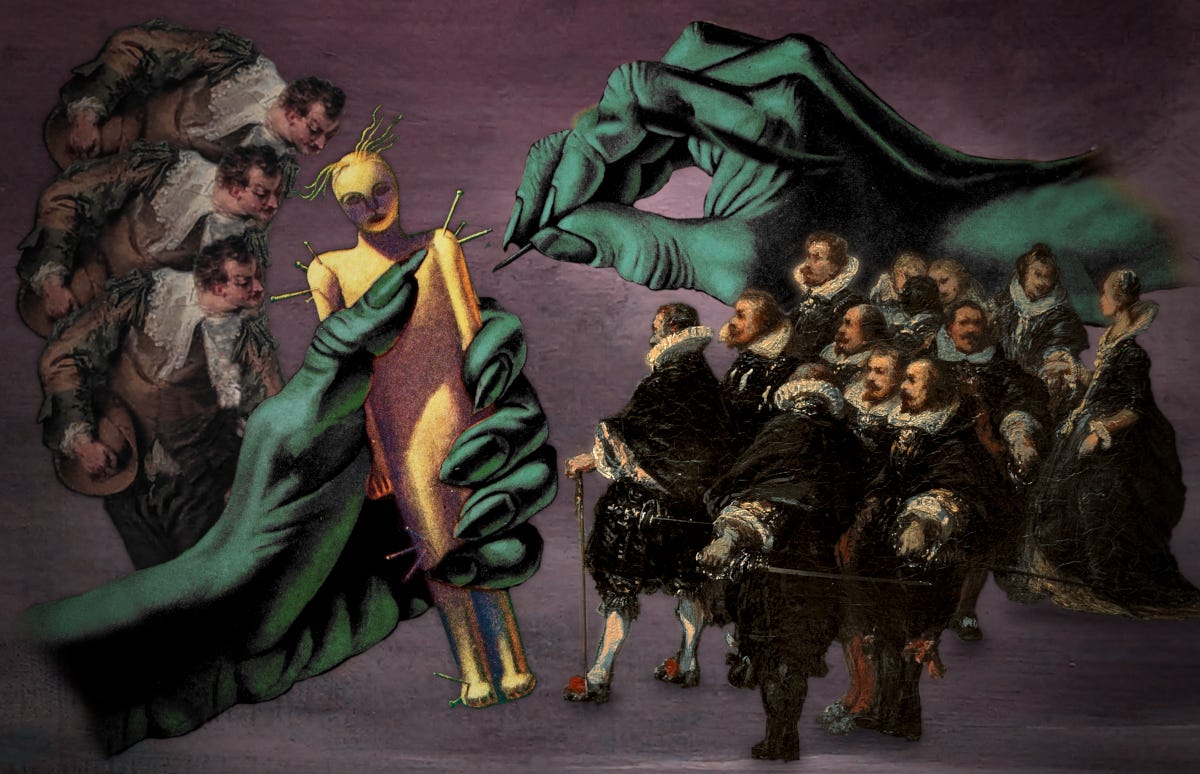
What Your Doctor Wants You to Know About Chatbots.
I wrote this while observing many people around me, including my own children, consulting AI chatbots for medicine and its uses. I did some…
What Your Doctor Wants You to Know About Chatbots.
I wrote this while observing many people around me, including my own children, consulting AI chatbots for medicine and its uses. I did some internet research about AI chatbots and what real medical experts say about their use.

Artificial intelligence is no longer confined to labs and tech circles; it’s now answering health questions, suggesting remedies, and even generating diet plans. Chatbots like ChatGPT, Gemini, and Microsoft Copilot are becoming digital companions for millions seeking quick medical advice. But while these tools offer convenience, your doctor wants you to know they’re not a replacement for professional care.
Now, read and think about what medical experts wish every patient should understand before trusting a chatbot with their health.
Chatbots Are Not Doctors: Even If They Sound Like One
AI chatbots are trained to mimic human conversation and deliver information with confidence. That’s part of their appeal. But this polished delivery can be misleading. These systems don’t know anything; they generate responses based on patterns in data, not clinical experience or real-time diagnostics.
Dr. Ainsley MacLean, a health AI consultant and former chief AI officer at MidAtlantic Kaiser Permanente, puts it plainly: “I’d strongly advise against patients making choices solely based on chatbot suggestions.” Her concern reflects a growing unease among healthcare professionals who see patients relying on AI tools without understanding their limitations.

The Risk of Misinformation Is Real
Even when chatbots get it wrong, they rarely sound unsure. That’s because they’re designed to fill gaps with plausible-sounding text. This phenomenon, known as “hallucination,” in AI development, can lead to dangerously inaccurate advice.
For example, a study published in “Nutrients” found that while popular chatbots can generate weight loss meal plans, they often fail to balance essential macronutrients like proteins, fats, and carbohydrates. The plans may look convincing, but they lack the nutritional precision required for safe dieting.
In another alarming case, a man replaced table salt with sodium bromide based on chatbot advice, resulting in bromide toxicity and a three-week psychiatric hospitalization. These examples highlight why doctors urge caution when using AI for health decisions.
Your Privacy Isn’t Guaranteed
Unlike licensed healthcare platforms, most generative AI tools are not covered by privacy laws like HIPAA. That means any personal health information you share could be stored, analyzed, or even exposed.
Dr. MacLean warns, “Don’t input your personal health information. It could end up anywhere.” Until regulations catch up, users should treat chatbots as public tools, not private advisors.
How to Use AI Responsibly for Health Questions
Doctors aren’t anti-technology. In fact, many use AI in clinical settings for diagnostics, imaging, and predictive analytics. But they want patients to use consumer-facing chatbots wisely. Read the following:
Start with AI, but don’t stop there: Use chatbots for general education, not diagnosis or treatment.
Verify the source: Check if the information comes from reputable medical organizations or peer-reviewed journals.
Check the date: Medical guidance evolves. Make sure the advice is current.
Talk to your doctor: If you’re experiencing symptoms or considering a new health approach, consult a professional.
Be transparent: Share any AI-generated content with your physician and ask, “Does this apply to me?”
Doctors Appreciate Informed Patients: Not Self-Diagnosing Ones
Health expert Lozovatsky encourages patients to bring AI-sourced information to their appointments. “It’s absolutely reasonable to ask your doctor: Is this accurate? Does it apply to my case? And if not, why not?”
This kind of dialogue strengthens the doctor-patient relationship and helps tailor care to your unique needs. It also allows your physician to correct any misinformation and guide you toward safer, evidence-based solutions.
The Future of AI in Healthcare: Collaboration, Not Competition
AI is here to stay, and it’s evolving fast. From virtual triage assistants to predictive analytics in hospitals, the technology is transforming how care is delivered. But doctors want patients to understand that AI should support clinical decisions, not replace them.
Regulatory bodies are beginning to explore frameworks for safe AI integration, including privacy protections and clinical validation. Until those safeguards are in place, your best bet is to treat chatbots as helpful tools, not trusted advisors.
Last but not Least: Trust Your Doctor, Not Just Your Device
AI chatbots can be informative, engaging, and even helpful, but they’re not licensed professionals. They don’t know your medical history, can’t perform exams, and aren’t accountable for the advice they give.
Your doctor, on the other hand, brings years of training, experience, and ethical responsibility to every decision. So, while it’s fine to explore health topics with AI, always bring your findings to a real medical expert.
In the digital age, informed patients are empowered patients. But true empowerment comes from blending curiosity with caution and trusting the human hands that heal.
Dear readers, if you think the above information is useful, please share it and comment below.
메타데이터
- post_id
- 51d21824f5b0
- slug
- what-your-doctor-wants-you-to-know-about-chatbots-51d21824f5b0
- url
- https://medium.com/@tahirlateef1/what-your-doctor-wants-you-to-know-about-chatbots-51d21824f5b0
- canonical_url
- https://medium.com/@tahirlateef1/what-your-doctor-wants-you-to-know-about-chatbots-51d21824f5b0
- author_url
- https://medium.com/@tahirlateef1
- status
- ok
- fetched_at
- 2026-06-09 15:37:30