why does so much millennial art leave me cold?
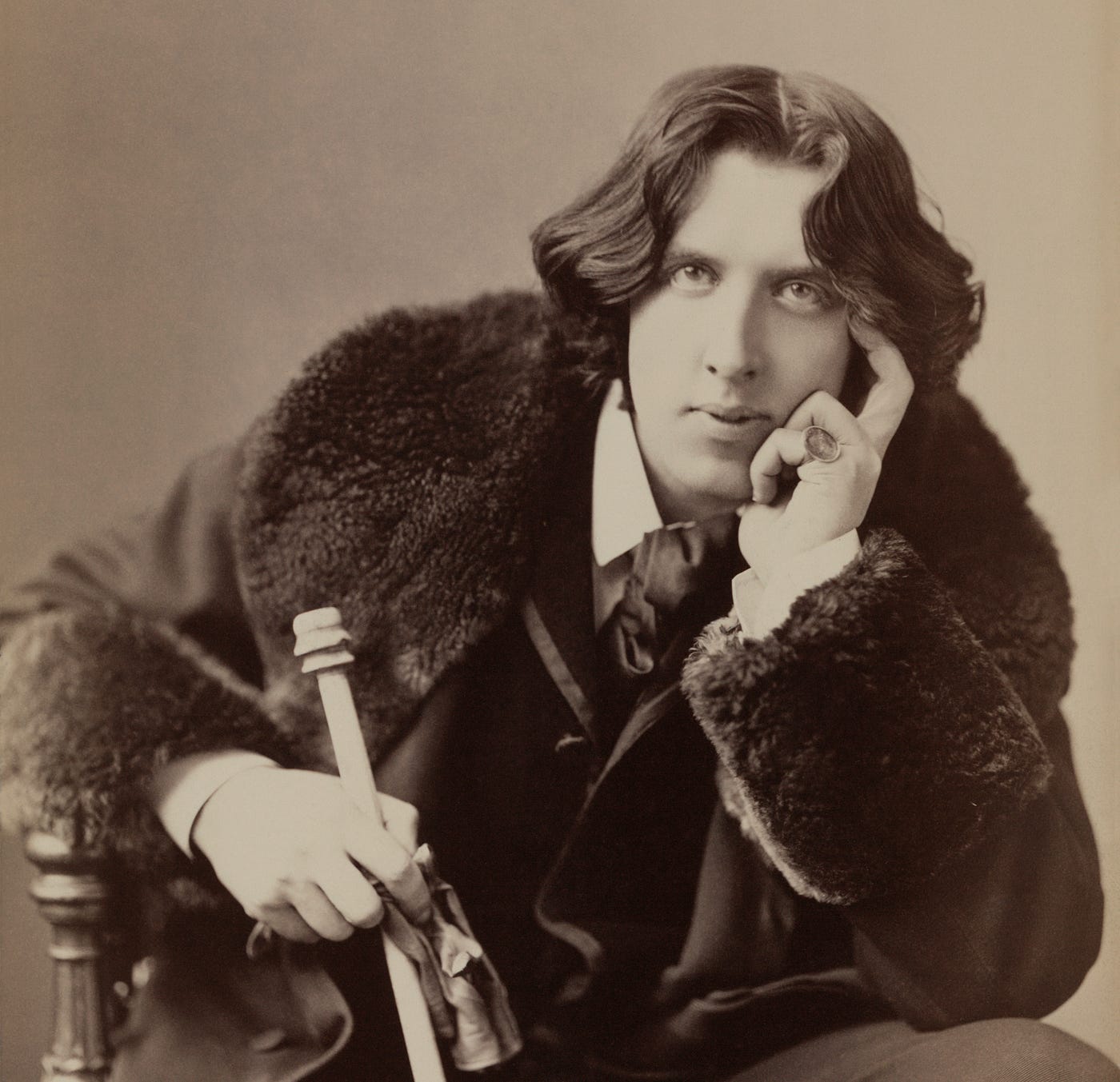
Photo by Fernando Santander on Unsplash
why does so much millennial art leave me cold?
Photo by Fernando Santander on Unsplash
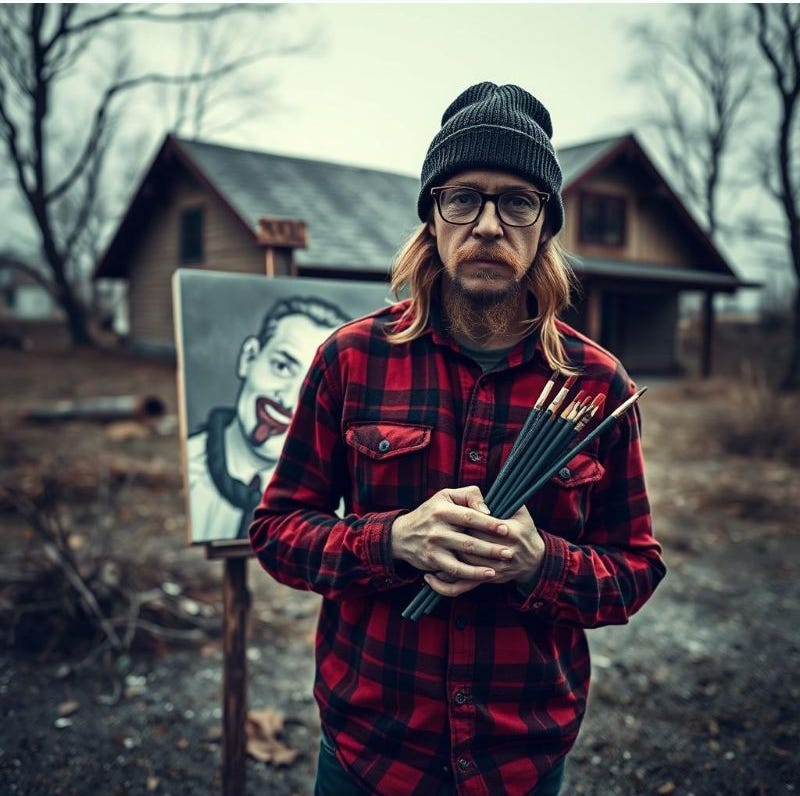
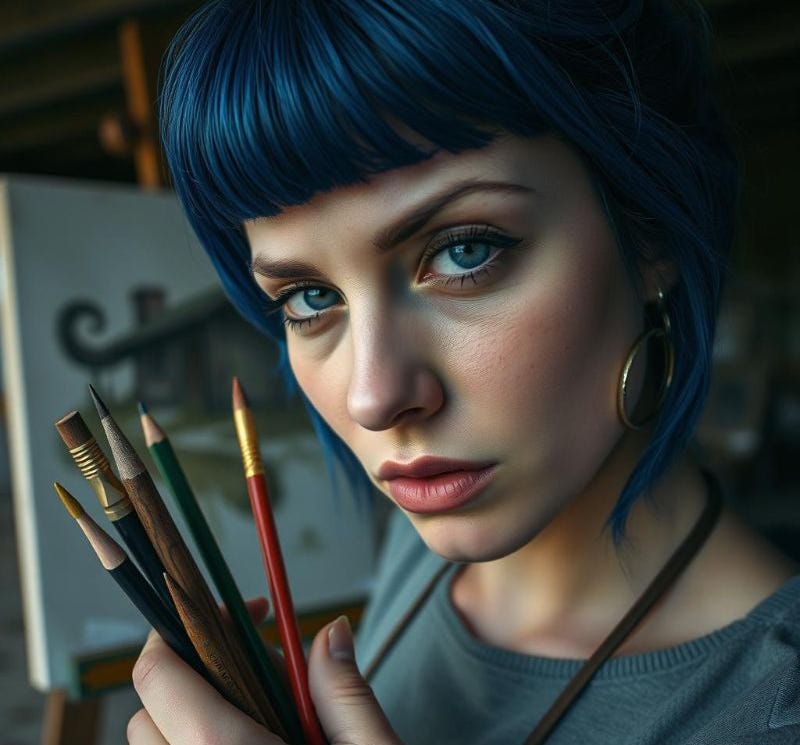
Recently, I was talking with a fellow artist about the creative influences that shaped our work. We traded lists of favorite television shows, movies, comic books, musicians, and artists. During the conversation, she made an interesting observation—or perhaps an accusation. She jokingly suggested that I don’t support artists from my own generation. At first, I dismissed the idea. I like what I like, regardless of who created it. But the more I thought about it, the more I realized she might have stumbled onto something. When I look at the stories, music, films, and artwork that have had the greatest impact on me, most of them were created by Generation X or Baby Boomers. While it’s fashionable these days to criticize Boomers, it’s hard to deny the influence they’ve had on music, film, and popular culture. Of course, I enjoy work created by Millennials. There are songs I like, shows I watch, and artists I admire. But when I think about the creators who truly shaped my tastes—the people whose work inspires me when I’m drawing comics or designing page layouts—I almost always find myself looking to Gen X or Boomer creators. That realization raised an uncomfortable question: Why?
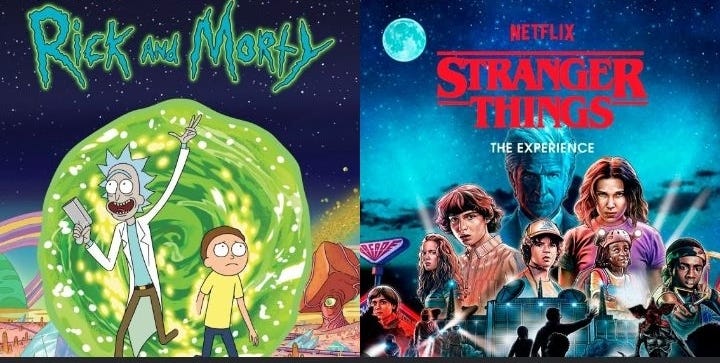
As I tried to think of Millennial-led creative projects that had a massive cultural impact, I was surprised by how difficult it was. Certainly, there are examples. Stranger Things became a cultural phenomenon, although much of its appeal is rooted in nostalgia for the 1980s. Rick and Morty became hugely successful and developed a devoted fan base. But beyond a handful of examples, I found myself struggling to identify works that inspired me on the same level as the art and stories created by previous generations. The more I reflected on it, the more I realized that my issue isn’t with Millennials themselves. It’s with certain trends that seem to dominate Millennial-created mainstream media.
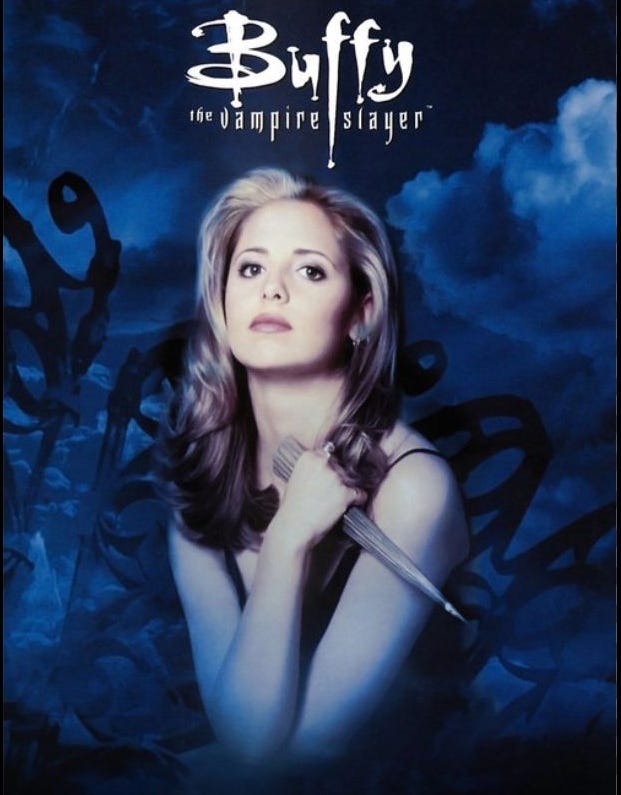
One trend that often frustrates me is the obsession with quips and irony. Many modern stories seem afraid to take themselves seriously. Every emotional moment is interrupted by a joke. Every dramatic scene is undercut by a wink to the audience. Ironically, many of these writers appear to be trying to emulate creators like Joss Whedon. The difference is that while Whedon’s work contained humor, it also knew when to stop joking. Shows like Buffy the Vampire Slayer, Angel, and Firefly could be funny one moment and emotionally devastating the next. Many modern imitators seem to have learned the jokes but missed the sincerity.
Another issue is the endless reliance on meta-commentary. Too many stories seem obsessed with reminding the audience how clever they are. Characters constantly comment on tropes, break conventions, or acknowledge the absurdity of their own worlds. Occasionally this can be entertaining. When every story does it, however, it becomes exhausting. Sometimes I don’t want a story that comments on storytelling. I just want a story. Perhaps my biggest frustration is the rise of what I would call performative activism in entertainment. Or when art becomes a lecture. Instead of inviting audiences into a compelling narrative, many creators seem determined to educate, correct, or preach to them. The story becomes secondary to the message. This isn’t a criticism of artists having beliefs. Great art has always explored political, social, and moral questions. The problem arises when creators become so focused on delivering the lesson that they forget to tell an engaging story. When that happens, art can start feeling corporate, sanitized, and strangely bloodless. That said, I don’t think Millennials deserve all the blame. Our generation has endured economic instability, rising costs of living, shrinking opportunities, and an increasingly risk-averse corporate culture. Creativity and risk-taking aren’t rewarded the way they once were. In many industries, the people willing to challenge conventions are often viewed as liabilities rather than assets. For artists trying to pay rent, support families, and survive in an uncertain economy, playing it safe can become less of a creative choice and more of a necessity. In that environment, it’s not surprising that much mainstream art feels cautious. The Artists Are Still Out There Despite my criticisms, I don’t believe there is a shortage of talented Millennial artists. In fact, I know several personally. The problem is that many of the most daring, creative, and unconventional voices aren’t being elevated by mainstream institutions. They’re creating independently, working side jobs, self-publishing, posting online, and building audiences outside traditional gatekeepers. The risk-takers still exist. You just have to go looking for them. Final Thoughts: So maybe my friend was right. Maybe I don’t draw as much inspiration from artists in my own generation as I do from Gen X or Boomer creators. But after thinking about it, I don’t believe that’s because Millennials lack talent or creativity. I think many of the most interesting Millennial artists have simply been pushed to the margins by a culture that rewards safety over risk, consensus over individuality, and marketability over artistic boldness. The good news is that those artists haven’t disappeared. They’ve just gone underground. And that’s where I’ll be looking for inspiration.
메타데이터
- post_id
- 52445c99fae9
- slug
- why-does-so-much-millennial-art-leave-me-cold-52445c99fae9
- url
- https://medium.com/@markxxx45/why-does-so-much-millennial-art-leave-me-cold-52445c99fae9
- canonical_url
- https://medium.com/@markxxx45/why-does-so-much-millennial-art-leave-me-cold-52445c99fae9
- author_url
- https://medium.com/@markxxx45
- status
- ok
- fetched_at
- 2026-07-15 11:33:25