Pain Below the Inner Knee? Understanding Pes Anserine Bursitis and How to Treat It
Pain just below the inside of your knee is often caused by pes anserine bursitis, a condition where the small fluid-filled sac between the…
Pain Below the Inner Knee? Understanding Pes Anserine Bursitis and How to Treat It
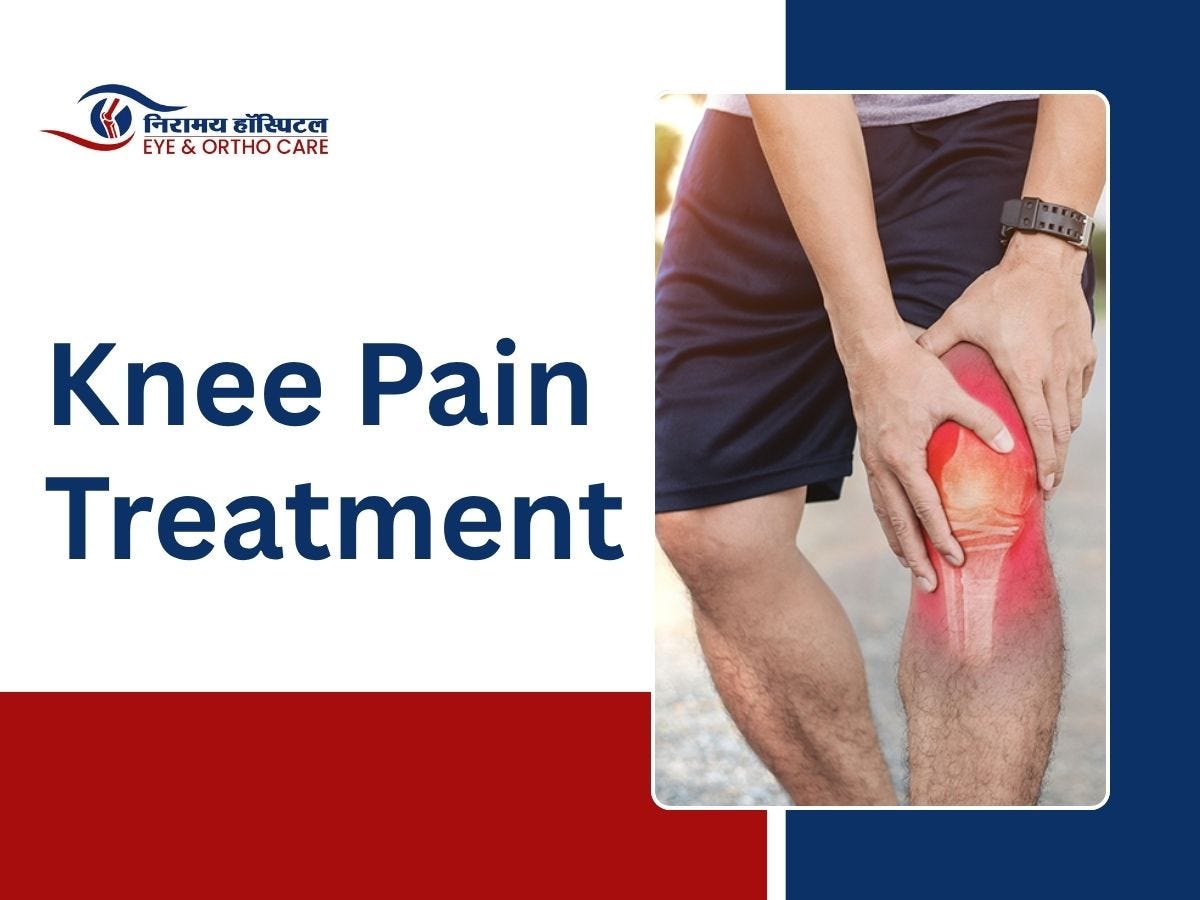
Early diagnosis and appropriate treatment can effectively relieve pain caused by pes anserine bursitis and improve knee function.
Pain just below the inside of your knee is often caused by pes anserine bursitis, a condition where the small fluid-filled sac between the tendons and shinbone becomes inflamed. Early diagnosis, activity modification, targeted exercises, and medical treatment can help relieve pain and restore normal movement before the condition worsens.
What Is Pes Anserine Bursitis?
Pes anserine bursitis develops when the bursa located on the inner side of the knee becomes irritated due to repeated stress, injury, or underlying joint conditions. People who run, climb stairs frequently, or have arthritis are more likely to experience this problem. Consulting an **orthopedic doctor in kota** can help identify the exact cause of inner knee pain and begin the right treatment early.
What Causes Pain Below the Inner Knee?
Several factors can increase pressure on the pes anserine bursa and surrounding tendons. Common causes include:
- Repetitive knee bending
- Osteoarthritis of the knee
- Tight hamstring muscles
- Obesity
- Flat feet
- Sudden increase in physical activity
- Poor exercise technique
According to the World Health Organization, musculoskeletal conditions affect nearly 1.7 billion people worldwide, making them one of the leading causes of pain and disability. Knee disorders are among the most common contributors to reduced mobility.
Symptoms You Should Not Ignore
The symptoms usually develop gradually and may worsen with movement. Typical signs include:
- Pain below the inside of the knee
- Tenderness when touching the area
- Swelling around the inner knee
- Pain while climbing stairs
- Discomfort after prolonged walking or standing
- Stiffness in the morning or after rest
Many patients with arthritis also require **Knee Pain Treatment in Kota** because inflammation from joint disease can trigger pes anserine bursitis.
How Is Pes Anserine Bursitis Diagnosed?
Diagnosis begins with a detailed medical history and physical examination. The doctor checks for tenderness, swelling, and pain during knee movement. In some cases, imaging tests may be recommended to rule out ligament injuries, fractures, or arthritis.
The evaluation may include:
- Physical examination
- X-rays to assess bone conditions
- Ultrasound to detect bursa inflammation
- MRI when ligament or tendon injuries are suspected
Accurate diagnosis ensures that treatment targets the actual source of pain rather than only relieving symptoms.
Treatment Options for Lasting Relief
Most cases improve without surgery when treated promptly. The treatment plan depends on the severity of inflammation and the underlying cause.
Treatment may include:
- Rest and activity modification
- Ice application to reduce swelling
- Anti-inflammatory medications
- Physiotherapy and stretching exercises
- Weight management if needed
- Corticosteroid injections for persistent pain
Patients with arthritis-related inflammation may also benefit from Knee osteoarthritis treatment in kota, as controlling joint degeneration reduces repeated irritation of the bursa.
Exercises That Support Recovery
Gentle strengthening and flexibility exercises help reduce pressure on the tendons around the knee. A physiotherapist may recommend:
- Hamstring stretches
- Quadriceps strengthening
- Hip abductor exercises
- Calf stretching
- Balance training
Exercises should be performed only after pain begins to settle, as excessive activity during acute inflammation can delay healing.
When Should You Visit a Specialist?
Seek medical attention if:
- Pain continues for more than one week
- Walking becomes difficult
- Swelling increases significantly
- Fever accompanies knee pain
- Home treatment provides no relief
Sometimes inner knee pain may resemble ligament injuries or meniscus problems. An experienced **Multi-Ligament Knee Injury Specialist Kota** can distinguish these conditions and recommend the most appropriate treatment.
Why Early Treatment Matters
Ignoring persistent knee pain may lead to chronic inflammation, reduced mobility, and worsening joint problems. Early diagnosis allows doctors to treat the underlying cause before long-term complications develop. Receiving care at the **best orthopedic hospital in kota** ensures access to comprehensive diagnosis, rehabilitation, and advanced orthopedic expertise under one roof.
Conclusion
Pes anserine bursitis is a treatable condition that commonly causes pain below the inner side of the knee. Most patients recover well with timely diagnosis, proper exercises, lifestyle modifications, and medical treatment. Persistent knee pain should never be ignored because it may indicate other orthopedic conditions that require specialized care. Early intervention helps restore comfortable movement and prevents future complications.
Frequently Asked Questions
1. What is the main cause of pes anserine bursitis?
The condition usually develops because of repetitive stress, osteoarthritis, obesity, tight muscles, or overuse of the knee during physical activities.
2. How long does pes anserine bursitis take to heal?
Most mild cases improve within four to eight weeks with rest, physiotherapy, and appropriate treatment, although recovery depends on the underlying cause.
3. Is walking good for pes anserine bursitis?
Light walking may be acceptable once pain decreases, but prolonged walking or activities that worsen symptoms should be avoided during the acute stage.
4. Can pes anserine bursitis heal without surgery?
Yes. The majority of patients recover successfully with non-surgical treatments such as medication, physiotherapy, stretching exercises, and activity modification.
5. Is pes anserine bursitis related to arthritis?
Yes. Knee osteoarthritis is one of the most common conditions associated with pes anserine bursitis because joint degeneration increases stress around the inner knee.
6. How is pes anserine bursitis different from a ligament injury?
Pes anserine bursitis causes pain below the inner knee, while ligament injuries usually produce instability, swelling, and pain directly within the knee joint.
7. When should I consult an orthopedic specialist?
You should seek medical advice if knee pain lasts longer than a week, becomes severe, limits daily activities, or is associated with swelling or difficulty walking.
Contact Us
Niramaya Clinic
Eye & Ortho Care
Address:
Location 1: NIRAMAYA Clinic, 1-A-4, Sheela Choudhary Rd, near Alok Hospital, New Rajeev Gandhi Nagar, VIP Colony, Talwandi, Kota, Rajasthan 324005
Location 2: Sudha Multi-Speciality Hospital, Jhalawar Road, Kota
Contact No.: +91 99997 01188 / +918290886544
Email: drankur6588@gmail.com
Website: https://jainorthovision.com/
메타데이터
- post_id
- 526b417e8fcd
- slug
- pain-below-the-inner-knee-understanding-pes-anserine-bursitis-and-how-to-treat-it-526b417e8fcd
- url
- https://medium.com/@jainorthovisionkota/pain-below-the-inner-knee-understanding-pes-anserine-bursitis-and-how-to-treat-it-526b417e8fcd
- canonical_url
- https://medium.com/@jainorthovisionkota/pain-below-the-inner-knee-understanding-pes-anserine-bursitis-and-how-to-treat-it-526b417e8fcd
- author_url
- https://medium.com/@jainorthovisionkota
- status
- ok
- fetched_at
- 2026-08-19 00:11:10