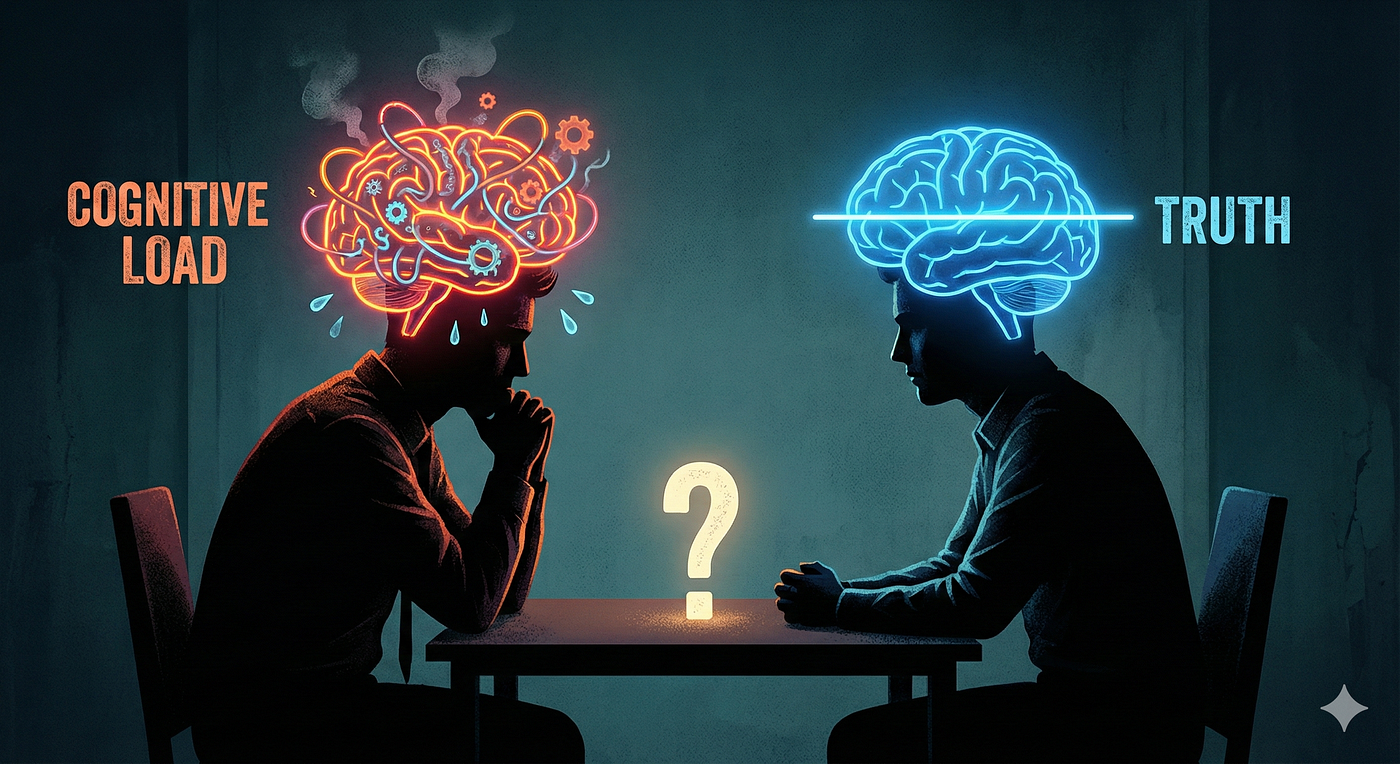
Cognitive Biases That Encourage Impulse Buys The Psychology Behind Buying Software During Big Sale…
How Scarcity And Urgency Influence Buyer Decisions
Cognitive Biases That Encourage Impulse Buys The Psychology Behind Buying Software During Big Sale Days

How Scarcity And Urgency Influence Buyer Decisions
Big sale days, such as Black Friday or Cyber Monday, are not just about lower prices; they trigger a psychological phenomenon that subtly shapes buyer behavior. Many users feel a sense of urgency because they perceive that discounted software licenses are limited or time-sensitive. This scarcity principle can be likened to a ticking clock, pushing users to act quickly to avoid missing out. For example, a student who needs Microsoft Office for an upcoming project might decide to purchase immediately when seeing a “limited stock” message. Research in consumer psychology confirms that scarcity increases perceived value, making users more willing to invest in software even if it wasn’t on their initial shopping list. Trusted platforms like affordablekey ensure that users get legitimate, fully functional licenses, which further reinforces confidence in making fast purchase decisions. This combination of urgency and assurance often drives significant spikes in software purchases during these high-traffic sale days.
The Emotional Appeal Of Feeling “Smart” With A Deal
Another powerful psychological factor is the emotional satisfaction of feeling like a savvy shopper. Consumers often experience a rush of gratification when they believe they have secured a great deal. This emotion goes beyond the practical savings; it gives a sense of accomplishment and resourcefulness. Consider someone upgrading their Windows or Office license: spotting a discounted digital key can feel like outsmarting the system. This positive reinforcement strengthens the habit of buying during sales. When users know that platforms like affordablekey provide verified licenses, their decision carries both emotional and practical reassurance. The interplay of excitement and rational decision-making drives many first-time and repeat buyers toward legitimate software purchases during peak sales.
Social Influence And Trend-Driven Purchases
Social factors also play a key role in software buying psychology during big sales. When peers, colleagues, or online communities discuss deals and share recommendations, potential buyers feel a subtle pressure to act. Seeing posts about discounted licenses or “must-have software for 2025” prompts users to re-evaluate their own needs. It is similar to a ripple effect: one shared success story about getting a Windows license at a discounted rate can inspire multiple purchases among friends or coworkers. This is why reputable sellers often highlight reviews, ratings, or testimonials, which reinforce trust and credibility. Platforms like affordablekey leverage such social proof by offering authentic keys alongside user feedback, further influencing confident purchase decisions during high-demand periods.
Timing And Seasonal Budget Considerations
Big sale days are strategically placed when users are more likely to have disposable income or allocated budgets. For example, end-of-year sales coincide with bonus seasons, holiday gifts, or post-holiday planning for work or studies. Buyers tend to plan their purchases knowing that the financial window aligns with their needs. Software purchases, unlike physical goods, offer instant delivery and activation, making them an attractive option for consumers who want immediate utility. Users often compare prices across multiple platforms and choose verified sellers to ensure legitimacy, and by acting during these strategic sale days, they maximize both savings and efficiency. This alignment of timing, finance, and practicality explains the surge in legitimate software purchases during major sales.
Risk Aversion And Trust In Licensed Digital Keys
While discounts drive excitement, risk aversion also guides consumer behavior. Many buyers are aware of counterfeit or invalid licenses and want to avoid potential issues with activation or support. Platforms that offer verified digital keys, clear instructions, and legitimate activation processes reduce perceived risk and build trust. For instance, someone upgrading an Office license or Windows system feels reassured when buying from a recognized seller like affordablekey. This assurance not only mitigates fear of wasted money but also increases the likelihood of completing a purchase. During big sales, when shoppers are already emotionally and financially engaged, trust becomes a critical factor in converting interest into action.
Cognitive Biases That Encourage Impulse Buys
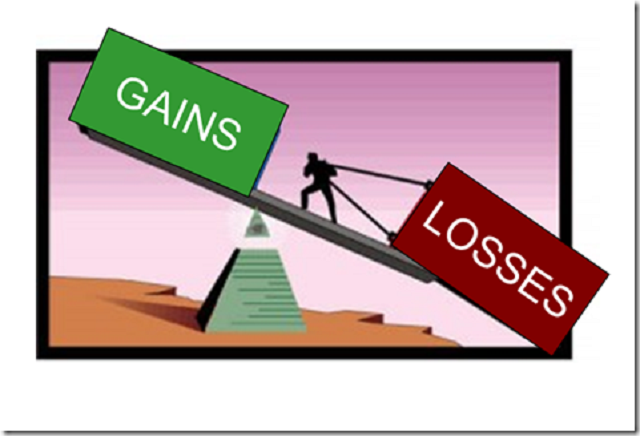
Cognitive biases, such as the anchoring effect, also play a role in software purchasing psychology. Displaying an original price alongside the discounted price makes buyers perceive greater value, even if the discount is moderate. The visual comparison of “before and after” pricing encourages immediate action, as users feel they are making a rational and financially smart choice. Coupled with countdown timers, pop-up reminders, and scarcity messages, these subtle cues reinforce urgency and value perception. Understanding these psychological levers helps explain why big sale days consistently see higher software license sales, particularly for essential tools like Windows, Microsoft Office, or productivity suites.
FAQ’s
Q1: Why do so many users buy software during big sale days?
A1: Scarcity, urgency, emotional satisfaction, social influence, and seasonal budgeting all contribute to the increased purchase activity.
Q2: How do verified digital keys reduce purchase risk?
A2: Verified keys ensure legitimacy, smooth activation, and support, giving users confidence that they are making a safe investment, as offered by platforms like affordablekey.
Q3: Do cognitive biases really affect software buying behavior?
A3: Yes, visual cues like original versus discounted prices, countdown timers, and limited stock messages influence perceived value and encourage immediate purchases.
Q4: Are impulse purchases common during big sale days?
A4: Very common, but the risk is mitigated when buyers choose legitimate sellers who provide clear guidance and authentic digital keys.
Q5: Can social proof impact software buying decisions?
A5: Absolutely. Reviews, recommendations, and shared experiences influence potential buyers to act quickly and confidently.
For more insights on consumer behavior during sales, visit Wikipedia on Consumer Behavior
메타데이터
- post_id
- 527c9c1b6cf0
- slug
- cognitive-biases-that-encourage-impulse-buys-the-psychology-behind-buying-software-during-big-sale-527c9c1b6cf0
- url
- https://medium.com/@gfcec221/cognitive-biases-that-encourage-impulse-buys-the-psychology-behind-buying-software-during-big-sale-527c9c1b6cf0
- canonical_url
- https://medium.com/@gfcec221/cognitive-biases-that-encourage-impulse-buys-the-psychology-behind-buying-software-during-big-sale-527c9c1b6cf0
- author_url
- https://medium.com/@gfcec221
- status
- ok
- fetched_at
- 2026-06-22 12:55:45