Cultural Awareness: More Than Just a Module — My Radiography Placement in Alice Springs and What…
A young Aboriginal boy was brought in with severe respiratory distress. He was small, no older than five or six, and when he arrived, he…
Cultural Awareness: More Than Just a Module — My Radiography Placement in Alice Springs and What It Taught Me About Healthcare in Remote Australia
A young Aboriginal boy was brought in with severe respiratory distress. He was small, no older than five or six, and when he arrived, he was barely conscious. His limbs hung loosely in his mother’s arms. His breathing was shallow. His eyes were half-closed. He didn’t cry, speak, or flinch. He was just there, teetering on the edge. His mother had walked and travelled with him for three days, barefoot through the desert, from their remote community to the nearest outstation and to the hospital. No car. No sealed road. No access to a clinic nearby. Just miles and miles of hot, red dust.
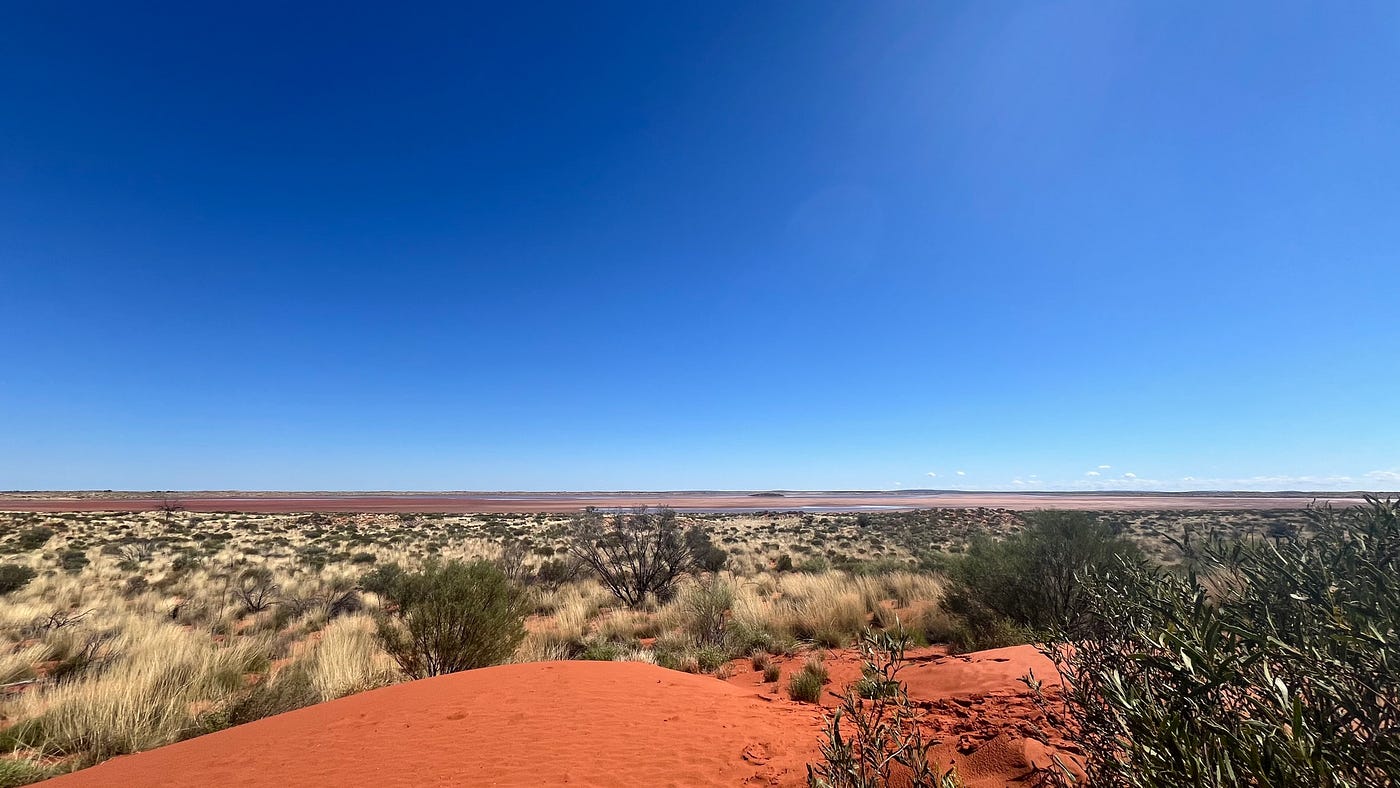
Central Australian landscape
She carried him for much of the way, through heat that hovered well above 40 degrees. By the time they reached help, he was limp in her arms and struggling to breathe. They waited so long to leave, not out of neglect, but because of barriers we in the city rarely think about. Distance. Isolation. Language. Transport. A deep, understandable mistrust of hospitals. A long history of being spoken down to, misunderstood, or turned away. And above all, a hope that things might get better on their own, because what other option was there?
After setting up the x-ray tube I turned to the mother explaining she needed to step back with us, she froze. Her eyes, already weary from days of walking through the desert with her son in her arms, suddenly sharpened. She wasn’t going to move. I swallowed the instinct to explain the policy again. I didn’t reach for more words she may not fully understand, instead put my hand on her shoulder and nodded my head as a sign of reassurance. She took a step back and watched us press the button.
I learned that day that cultural safety isn’t about avoiding mistakes — it’s about listening, adjusting, and showing respect in every interaction.
The Urgent Need for Community-Based Diagnostic Imaging
One of my biggest takeaways from my placement in Alice Springs is the urgent, undeniable need for decentralised imaging services across remote Australia. Time and time again, I saw patients many elderly, some very young who had travelled hundreds of kilometres just to access basic diagnostic imaging. X-rays for sore joints. Ultrasounds for abdominal pain. Chest X-rays for persistent coughs. Imaging that, in metropolitan areas, would be done within 30 minutes of presentation at a local clinic.
In the NT, these journeys often take days, not hours. Families may need to organise lifts with community members or wait for outreach transport, which might only run once a week. Patients often arrive dehydrated, exhausted, and sometimes even sicker than when they first decided to seek help, simply because getting to care is half the battle. And the consequences of this are heartbreaking. Late diagnoses. Missed follow-ups. Worsening conditions. Unnecessary suffering. All because access to timely imaging is tied to geography. But it doesn’t have to be this way.

Outside on my last day of Alice Springs Hospital
There is incredible potential in up-skilling Aboriginal health workers, and general practitioners in basic imaging acquisition like portable X-ray and ultrasound. With appropriate training and remote supervision or tele-radiology support, many simple scans could be performed on Country, in communities where patients feel safe, understood, and respected. It would reduce travel burdens, decrease hospital admissions, and help catch health issues earlier, before they become crises.
If we’re serious about health equity in Australia, we have to meet people where they are. And that means bringing imaging to the communities, not just bringing communities to the hospitals.
Final Thoughts
As a radiography student, I knew that clinical placements would be an essential part of my training an opportunity to apply skills, build confidence, and learn from seasoned professionals. What I didn’t anticipate was how profoundly my placement in Alice Springs would shape my understanding of healthcare, equity, and the responsibilities we carry as future allied health professionals in Australia. By the time my placement ended, I didn’t want to leave. I had fallen in love with the town, the pace of life, the diversity of patients, and the sense that what we were doing truly mattered. More than anything, I had been given the gift of perspective.
Alice Springs taught me that in healthcare, every image has a backstory and we owe it to our patients to see the whole picture.

At Stanley Chasm along the West MacDonnell Ranges (Tjoritja)
메타데이터
- post_id
- 528076f7fc93
- slug
- cultural-awareness-more-than-just-a-module-my-radiography-placement-in-alice-springs-and-what-528076f7fc93
- url
- https://medium.com/@samanakul15/cultural-awareness-more-than-just-a-module-my-radiography-placement-in-alice-springs-and-what-528076f7fc93
- canonical_url
- https://medium.com/@samanakul15/cultural-awareness-more-than-just-a-module-my-radiography-placement-in-alice-springs-and-what-528076f7fc93
- author_url
- https://medium.com/@samanakul15
- status
- ok
- fetched_at
- 2026-06-09 15:37:30




