The Hidden Miracles Around Us
There is a peculiar tragedy in modern life. We spend so much time chasing extraordinary experiences that we often overlook the…
The Hidden Miracles Around Us
There is a peculiar tragedy in modern life. We spend so much time chasing extraordinary experiences that we often overlook the extraordinary nature of ordinary existence itself. We dream of exotic destinations, life-changing opportunities, and grand achievements, believing that beauty exists somewhere ahead of us, waiting to be discovered after we have earned it. Yet while we are busy searching for spectacular moments, life quietly unfolds around us in ways that are no less remarkable. A mother holding her child’s hand on the way to school. The aroma of bread drifting from a nearby bakery. The sound of laughter escaping from a group of friends sitting beneath a tree. These moments rarely make headlines. They are not dramatic enough for social media. Yet they contain something profound: they remind us that life is happening now.

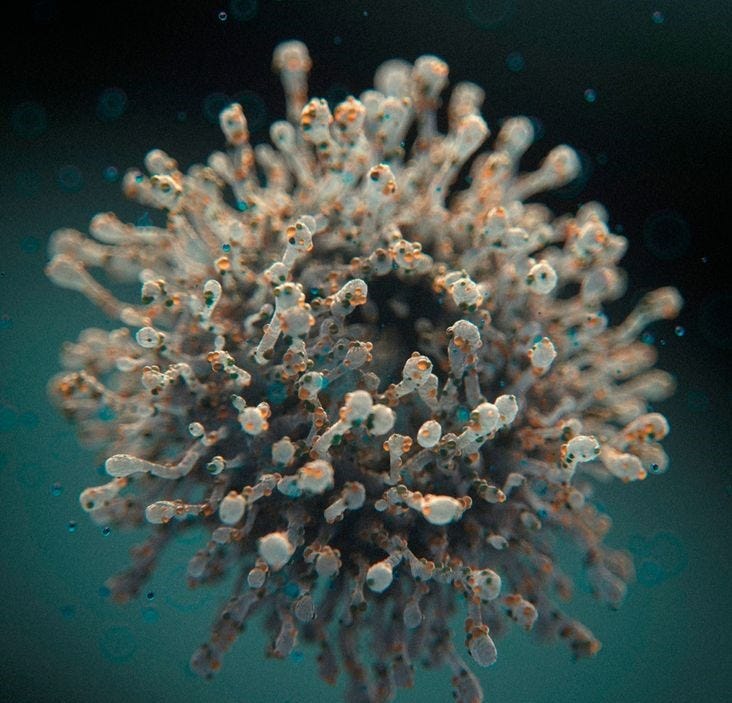
image created by author using AI
Explore — The Beauty Is Here
Many of us move through our days as though we are racing toward a destination. We rush from one task to another, checking notifications, meeting deadlines, and worrying about tomorrow. In doing so, we unintentionally become blind to the beauty surrounding us. We see things without truly noticing them. We hear sounds without truly listening. We experience life while simultaneously missing it. The irony is that the moments we often remember most fondly years later are rarely the grand achievements. They are the seemingly insignificant moments that touched our hearts when we least expected them.
Life is meant to be lived, to fully be immersed in the present — Emphasis mine
Recent psychological research suggests that beauty is not as rare as we think. Studies conducted in real-world environments found that people frequently encounter beauty in their daily lives and that these encounters are associated with improved mood and emotional wellbeing. The researchers discovered that beauty often emerges from ordinary surroundings, particularly nature and everyday experiences. (Nature)
Why We Often Miss Beauty
One reason beauty escapes our attention is that familiarity breeds invisibility. The things we encounter every day gradually fade into the background of our awareness. The tree outside our window becomes just another tree. The smile from a neighbor becomes routine. The sunset becomes something we assume will always be there tomorrow. Familiarity does not diminish beauty; it simply dulls our perception of it.
Photo by todd kent on Unsplash
Modern technology has amplified this challenge. We live in an age where our attention is constantly being competed for. Every notification, advertisement, and update pulls our focus away from the physical world and toward a digital one. We can spend hours scrolling through images of distant landscapes while ignoring the evening sky outside our own homes. We become spectators of other people’s lives instead of participants in our own.
The problem is not that beauty has disappeared. The problem is that our attention has become fragmented. Beauty requires presence. It asks us to slow down long enough to notice details. Like a faint melody hidden within a larger symphony, beauty reveals itself only to those willing to listen carefully.
Read — 6 Benefits of Taking a Moment to Pause and Breathe
Beauty Was Never Meant to Be Rare
We often imagine beauty as something exceptional: towering mountains, magnificent works of art, or breathtaking architecture. While these certainly qualify, beauty is far more democratic than that. It does not reserve itself for special occasions. It appears wherever attention meets appreciation.
Researchers studying everyday experiences of beauty found that participants reported moments of beauty multiple times during ordinary days. Nature was one of the most common sources, but beauty also emerged through human interactions, objects, sounds, and experiences. These encounters consistently produced positive emotional effects. (Nature)
Think about the last time you genuinely paused to appreciate something simple. Perhaps it was rain tapping against a window. Perhaps it was watching an elderly couple walk together. Maybe it was hearing a favorite song unexpectedly. These moments possess a quiet power. They remind us that beauty is not always loud. Often, it whispers.
The greatest misconception about beauty is that it must impress us. In reality, beauty often moves us. It touches something deeper than admiration. It awakens gratitude. It reconnects us with our humanity.
Learning from Children
Children possess a remarkable ability that many adults lose: they know how to be fascinated. Give a child a puddle, and it becomes an ocean of possibilities. Give them a stick, and it becomes a sword, a wand, or a tool for exploration. Their world is alive with wonder because they have not yet learned to dismiss ordinary things as unimportant.
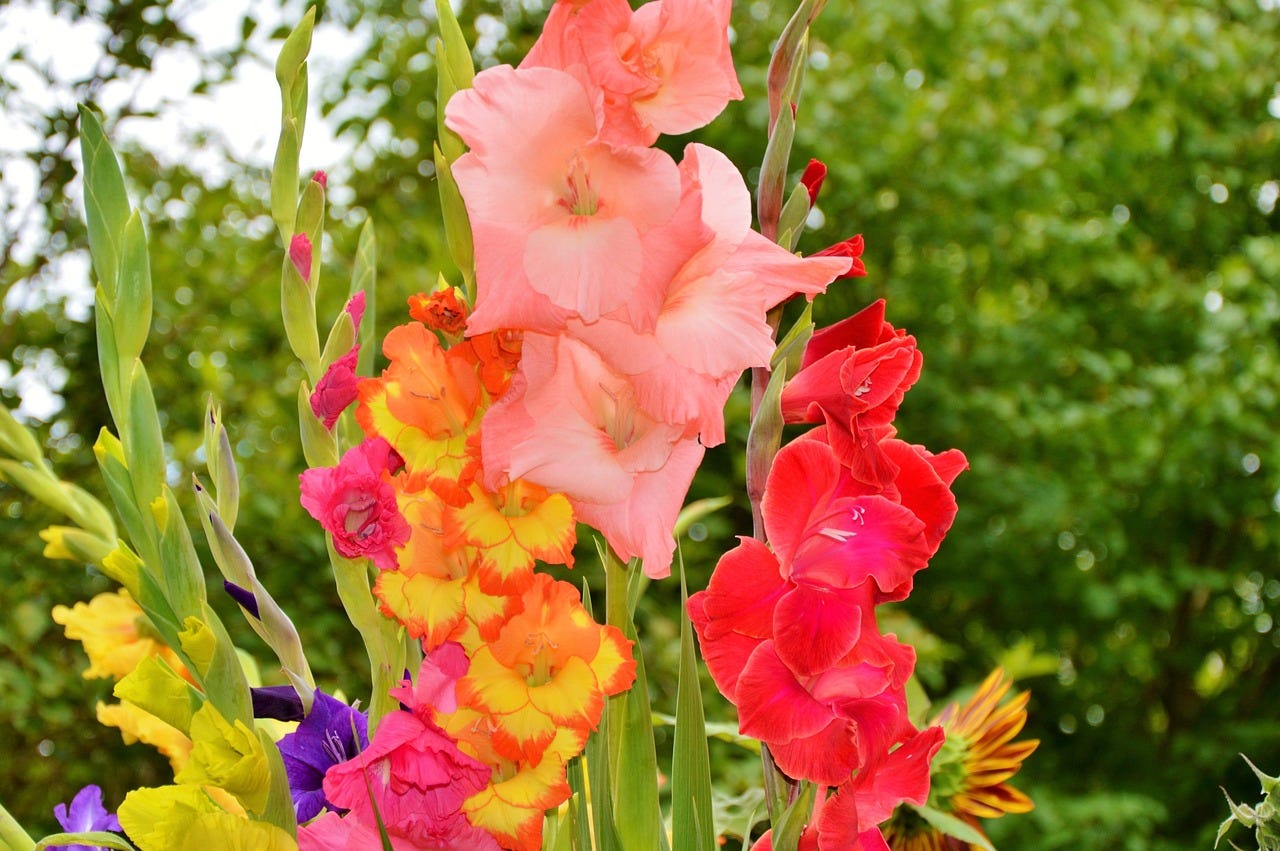
Adults tend to become efficient observers. We categorize, label, and move on. We see a flower and immediately identify it. A child sees a flower and studies its colours, shape, texture, and movement in the wind. One sees information. The other experiences wonder.
Also read — What It Really Means to Be Childlike
This difference matters because wonder changes the way we inhabit the world. Research into awe and wonder suggests these emotions can reduce stress, increase feelings of connection, and expand our sense of perspective. Even brief moments of awe can positively influence wellbeing. (National Geographic)
Being childlike is not about being naive. It is about remaining open. It is about allowing ordinary moments to surprise us again. The world has not become less beautiful since childhood. We have simply become less attentive to its beauty.
There is beauty all around you. Look for it, you will find it in the most ordinary places.
Finding Beauty in Ordinary Places
Beauty is remarkably adaptable. It appears wherever people are willing to notice it. Consider the morning commute. Most people see traffic, delays, and inconvenience. Yet within the same scene there are countless stories unfolding. Someone is heading toward a new job. Someone else is returning home after a long night shift. A street vendor is setting up for the day. The city is awakening.
Related read — Finding Joy in Small Moments
Neighborhoods, too, contain hidden treasures. The old woman watering plants on her balcony. Children chasing a football through dusty streets. Birds gathering on electrical wires before sunset. These moments rarely attract attention because they are ordinary. Yet ordinary does not mean insignificant.
[embed]How to Pull Yourself Back Into the Present and Reclaim Your Peace medium.com
Even conversations can become beautiful when we truly listen. A friend sharing a memory. A stranger telling a story. A grandparent recounting experiences from decades ago. Human beings carry entire universes within them. Every conversation is an opportunity to encounter a different world.
Beauty often hides in plain sight because it is woven into the fabric of everyday life. It does not announce itself. It waits to be discovered.
The Art of Paying Attention
Attention is one of the most valuable gifts we can offer the world. What we pay attention to ultimately shapes our experience of life. If we focus exclusively on problems, life begins to appear as a collection of obstacles. If we cultivate awareness of beauty, life becomes richer and more meaningful.
Mindfulness researchers have long emphasized the importance of present-moment awareness. Studies suggest that mindful awareness is linked to a greater appreciation of beauty in nature and daily experiences. (Sage Journals)
Paying attention does not require elaborate rituals. It can be as simple as pausing for a few seconds. Looking at the sky. Listening to birds. Noticing the expressions on people’s faces. Feeling sunlight on your skin. These moments may seem insignificant, yet they accumulate over time. Together, they create a life that feels more vivid and more deeply lived.
The difference between an ordinary day and a meaningful day is often not what happened. It is what we noticed.
Nature’s Quiet Lessons
Among all sources of beauty, nature remains one of the most powerful. Recent studies found that encounters with natural beauty were associated with stronger positive emotions, increased calmness, and greater enjoyment than many human-made experiences. (Nature)
Nature teaches us lessons without speaking. A tree does not rush to become taller. A river does not force its way forward. Flowers bloom without seeking approval. The natural world operates according to rhythms that remind us there is wisdom in patience.
You do not need to stand before a mountain range to experience awe. Research suggests that even small encounters with wonder can improve wellbeing. Admiring the intricate patterns on a leaf, watching clouds drift across the sky, or observing sunlight filtering through branches can evoke feelings of awe and perspective. (The Times)
Nature invites us to slow down. It reminds us that beauty often resides in processes rather than outcomes.
Human Beings as Sources of Beauty
When discussing beauty, we often focus on landscapes and objects. Yet some of the most beautiful experiences arise through people. Kindness, compassion, resilience, and love are forms of beauty every bit as powerful as a sunset.
Consider the nurse comforting a frightened patient. The teacher staying late to help a struggling student. The stranger who offers assistance without expecting anything in return. These acts rarely receive public recognition, yet they illuminate the world in profound ways.
Photo by Age Cymru on Unsplash
Human beauty is not found in perfection. It is found in authenticity. It appears when people show courage despite fear. When they continue hoping despite disappointment. When they choose kindness despite hardship.
The beauty of humanity lies not in our flawless moments but in our willingness to care for one another despite our imperfections.
When Difficult Times Reveal Beauty
Ironically, some of life’s deepest beauty emerges during difficult seasons. Hardship has a way of stripping away distractions and revealing what truly matters. During challenging times, people often become more aware of simple blessings they once overlooked.
Research exploring gratitude, awe, and beauty suggests that these experiences can help individuals maintain wellbeing even during periods of illness and adversity. (SpringerLink)
Many people discover beauty not because life became easier but because they learned to see differently. They begin appreciating ordinary moments precisely because they understand how fragile and precious those moments are. A shared meal becomes meaningful. A phone call becomes treasured. A quiet evening becomes a gift.
Difficulty can deepen appreciation. It reminds us that beauty is not the absence of struggle. Sometimes beauty is the courage to continue despite it.

Photo credit: Oliver Pacas on Unsplash
Finding Beauty
Finding beauty in ordinary moments is not about pretending life is perfect. It is about recognizing that beauty and difficulty often coexist. The world contains suffering, uncertainty, and disappointment. Yet it also contains kindness, wonder, connection, and joy. The challenge is not finding beauty because beauty is already here. The challenge is noticing it.
The extraordinary is often hidden within the ordinary. It exists in morning light, shared laughter, gentle acts of kindness, familiar streets, and quiet moments of reflection. Every day offers countless opportunities to encounter it.
Perhaps the richest life is not the one filled with the most spectacular experiences. Perhaps it is the one in which we learn to see the miracles that were there all along.
FAQs
1. What does it mean to find beauty in ordinary moments?
It means developing the ability to appreciate everyday experiences, people, and surroundings rather than waiting for extraordinary events to feel joy or wonder.
2. Why is noticing beauty important for wellbeing?
Research suggests that experiences of beauty, awe, and wonder can improve mood, reduce stress, and enhance overall wellbeing. (Nature)
3. Can ordinary moments really create happiness?
Yes. Small positive experiences accumulated over time often contribute more to lasting happiness than occasional major events.
4. How can I become more aware of beauty around me?
Practice slowing down, paying attention, spending time in nature, reducing distractions, and intentionally noticing small details throughout the day.
5. Does beauty only exist in nature?
No. Beauty can be found in human relationships, acts of kindness, music, art, conversations, memories, and everyday experiences as well as nature.
You can ***Support my writing and help bring more stories to life — your donation makes a real difference. [Donate](https://www.paypal.com/donate/?hosted_button_id=Z9NUAUQWP7V9L)* here and be part of the journey! 🗳️
I’m aiming to continue sharing useful content here and reach a wider audience through subscription and paid ads on various platforms. I can’t do it without your amazing support.
❤ Love this?
Click the notification button to be the first to be notified when I publish new content and leave some feedback.
You can also subscribe to — **The Growth Journey** newsletter on LinkedIn to stay inspired with dose of motivation, guidance, personal growth, life lessons & food for thought.
Cheers.
메타데이터
- post_id
- 529fbffa2bbb
- slug
- the-hidden-miracles-around-us-529fbffa2bbb
- url
- https://medium.com/the-gravity/the-hidden-miracles-around-us-529fbffa2bbb
- canonical_url
- https://medium.com/the-gravity/the-hidden-miracles-around-us-529fbffa2bbb
- author_url
- https://medium.com/@adeolaodubajo
- status
- ok
- fetched_at
- 2026-08-15 20:19:00