The Rise of 3D Furniture Lifestyle Rendering: Transforming How Brands Showcase Furniture
The furniture industry has undergone a massive digital transformation over the last decade, and one of the biggest game-changers has been…
The Rise of 3D Furniture Lifestyle Rendering: Transforming How Brands Showcase Furniture
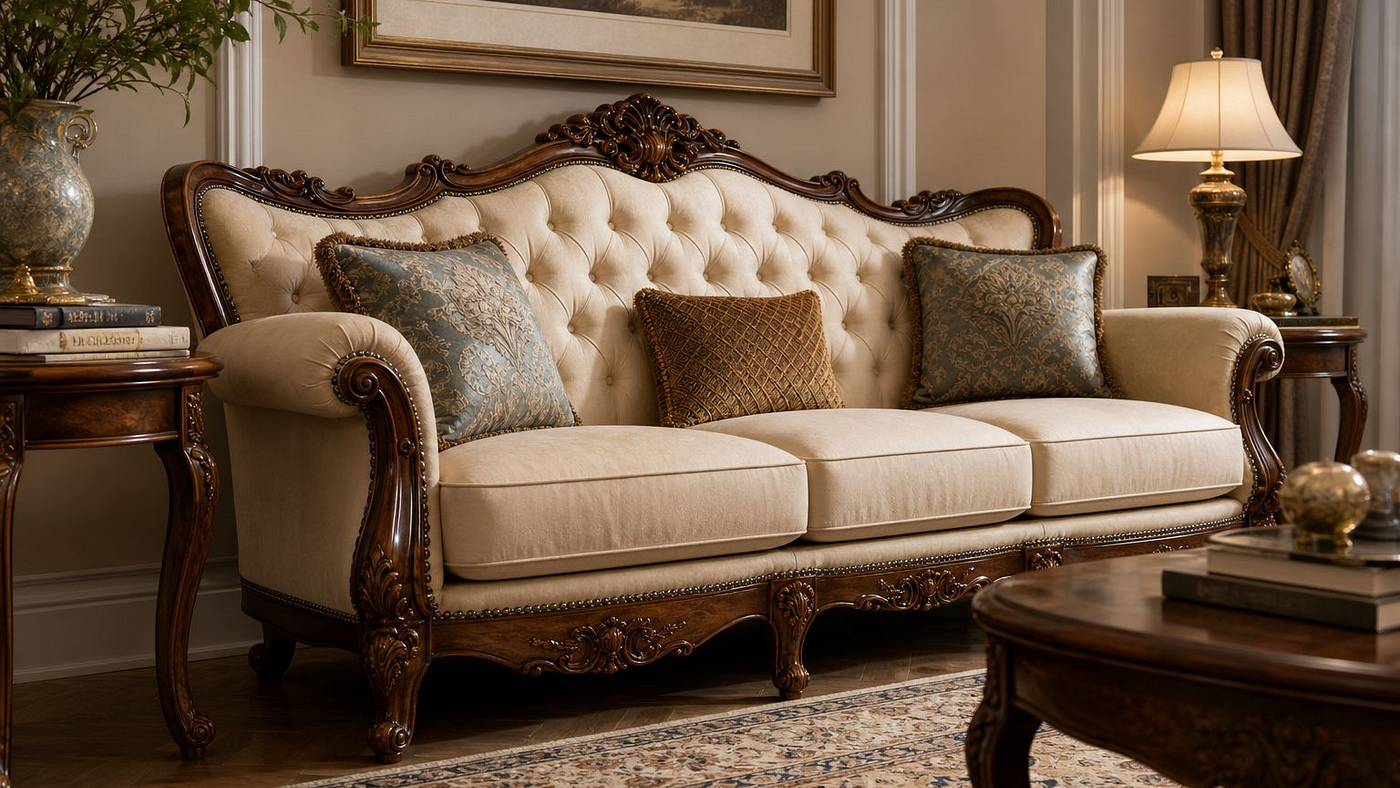
A photorealistic 3D rendered lifestyle
The furniture industry has undergone a massive digital transformation over the last decade, and one of the biggest game-changers has been the emergence of **3D Furniture Lifestyle Rendering**. As furniture retailers, manufacturers, and interior designers across the USA and worldwide look for faster, more cost-effective ways to market their products, 3D rendering has become the go-to solution for creating photorealistic imagery without the need for physical photoshoots.
What Is 3D Furniture Lifestyle Rendering?
At its core, this process involves creating digital, three-dimensional models of furniture pieces and placing them inside beautifully styled, realistic room settings. Unlike simple product renders on plain white backgrounds, lifestyle renders show furniture in context — in living rooms, bedrooms, offices, and outdoor spaces — helping customers visualize exactly how a piece would look in their own home. This approach combines furniture visualization, interior rendering services, and CGI furniture rendering into one seamless workflow that produces stunning, sales-ready visuals.
Why Furniture Brands Are Switching to 3D Rendering Services
Traditional photography for furniture catalogs is expensive and time-consuming. It requires renting studio space, hiring photographers and stylists, sourcing props, and coordinating logistics for every single product variation — color, fabric, or finish. For a company with hundreds of SKUs, this quickly becomes an operational nightmare.
**3D rendering services** solve this problem entirely. Once a 3D furniture model is created, it can be rendered in unlimited colors, fabrics, textures, and room settings — all without touching a physical product. This makes photorealistic rendering not just a creative tool, but a serious cost-saving strategy for furniture businesses of every size, from boutique studios to large-scale manufacturers.
Key benefits include:
- Cost efficiency — no studio rentals, no physical samples, no travel costs
- Speed to market — new product variations can be rendered in days, not weeks
- Unlimited customization — swap fabrics, colors, and room styles instantly
- Consistency — every image maintains the same lighting quality and visual standard
- Scalability — perfect for large furniture catalogs and e-commerce platforms
The Growing Demand for Furniture 3D Modeling in the USA
The USA furniture and home decor market has seen exponential growth in e-commerce sales, and high-quality visuals are now a critical factor in customer purchasing decisions. Studies consistently show that customers are far more likely to buy furniture online when they can see it in a realistic, styled setting rather than a bare product shot. This has driven massive demand for **furniture 3D modeling**, 3D product visualization, and 3D architectural rendering services across major markets including New York, Los Angeles, Chicago, and Dallas, as well as globally in the UK, Canada, Australia, and the UAE.
Furniture brands are increasingly searching for terms like “3D rendering company,” “furniture visualization services,” “CGI rendering for furniture,” and “photorealistic furniture rendering” — all of which point to the same growing need: professional, high-quality digital visualization that saves time and drives sales.

How the Process Works
Creating a 3D Furniture Lifestyle Rendering typically follows several stages:
-
3D Modeling — Furniture pieces are modeled with precise dimensions, textures, and materials to match real-world specifications.
-
Texturing and Material Mapping — Fabrics, wood grains, metals, and finishes are applied with high-resolution textures for realism.
-
Scene Composition — The furniture is placed within a designed room setting, complete with complementary decor, lighting fixtures, rugs, and accessories.
-
Lighting and Rendering — Advanced rendering engines simulate natural and artificial lighting to create depth, shadows, and realistic reflections.
-
Post-Production — Final touches such as color correction and detail enhancement are applied to achieve a polished, market-ready image.
The result is an image that is often indistinguishable from a real photograph, yet fully customizable and reusable across multiple marketing channels — websites, social media, catalogs, and advertising campaigns.
Applications Across the Furniture Industry
3D Furniture Lifestyle Rendering isn’t limited to just marketing images. It’s widely used for:
- E-commerce product pages — Giving online shoppers a realistic view of furniture in styled settings
- Interior design presentations — Helping designers show clients how furniture will look before purchase
- Advertising and social media campaigns — Producing scroll-stopping, high-quality visuals for platforms like Instagram, Facebook, and Pinterest
- Print catalogs and brochures — Delivering consistent, high-resolution imagery without reshoot costs
- Custom furniture previews — Allowing customers to preview bespoke pieces before manufacturing begins
The Future of Furniture Visualization
As rendering technology continues to advance, we’re seeing even more realistic textures, dynamic lighting simulations, and AI-assisted rendering workflows that speed up production even further. Interactive 3D rendering — where customers can rotate, zoom, and customize furniture in real time on a website — is also becoming increasingly popular, pushing the boundaries of what furniture visualization services can offer.
For furniture brands looking to stay competitive in a visually-driven marketplace, investing in high-quality 3D rendering is no longer optional — it’s essential. Whether it’s for e-commerce, advertising, or interior design presentations, professional CGI furniture rendering delivers the realism, flexibility, and cost savings that traditional photography simply cannot match.
Choosing the Right 3D Rendering Partner
Not all rendering studios deliver the same level of quality. When selecting a partner for furniture visualization, brands should look for a portfolio that demonstrates realistic lighting, accurate material representation, and strong attention to interior styling detail. A skilled 3D rendering company will also offer flexibility — the ability to quickly update fabric colors, room layouts, or camera angles based on marketing needs, without starting the entire project from scratch. This level of agility is what separates a truly valuable rendering partner from a basic modeling service.
Conclusion
The shift toward **3D Furniture Lifestyle Rendering** reflects a broader transformation in how brands across the USA and worldwide market their products. By combining photorealistic detail with unlimited creative flexibility, this technology allows furniture companies to tell compelling visual stories, reduce production costs, and reach customers more effectively than ever before. As demand for furniture 3D modeling and 3D product visualization continues to rise, brands that adopt this technology early will have a clear competitive edge in the years ahead.
Learn more about professional 3D Furniture Lifestyle Rendering services at **3DFurnitureRendering.**
메타데이터
- post_id
- 52a13d8a0cc0
- slug
- the-rise-of-3d-furniture-lifestyle-rendering-transforming-how-brands-showcase-furniture-52a13d8a0cc0
- url
- https://medium.com/@tylersinksbr3d/the-rise-of-3d-furniture-lifestyle-rendering-transforming-how-brands-showcase-furniture-52a13d8a0cc0
- canonical_url
- https://medium.com/@tylersinksbr3d/the-rise-of-3d-furniture-lifestyle-rendering-transforming-how-brands-showcase-furniture-52a13d8a0cc0
- author_url
- https://medium.com/@tylersinksbr3d
- status
- ok
- fetched_at
- 2026-08-16 14:59:41






