# The Global Population Challenge: Understanding the Impacts and Future of Overpopulation
In November 2022, the world hit a staggering milestone: the global population officially reached **8 billion people**. While this is a…
The Global Population Challenge: Understanding the Impacts and Future of Overpopulation
In November 2022, the world hit a staggering milestone: the global population officially reached 8 billion people. While this is a testament to human resilience, medical advancement, and agricultural success, it also raises a profound question that scientists, economists, and environmentalists have debated for decades: Is our planet reaching its breaking point?
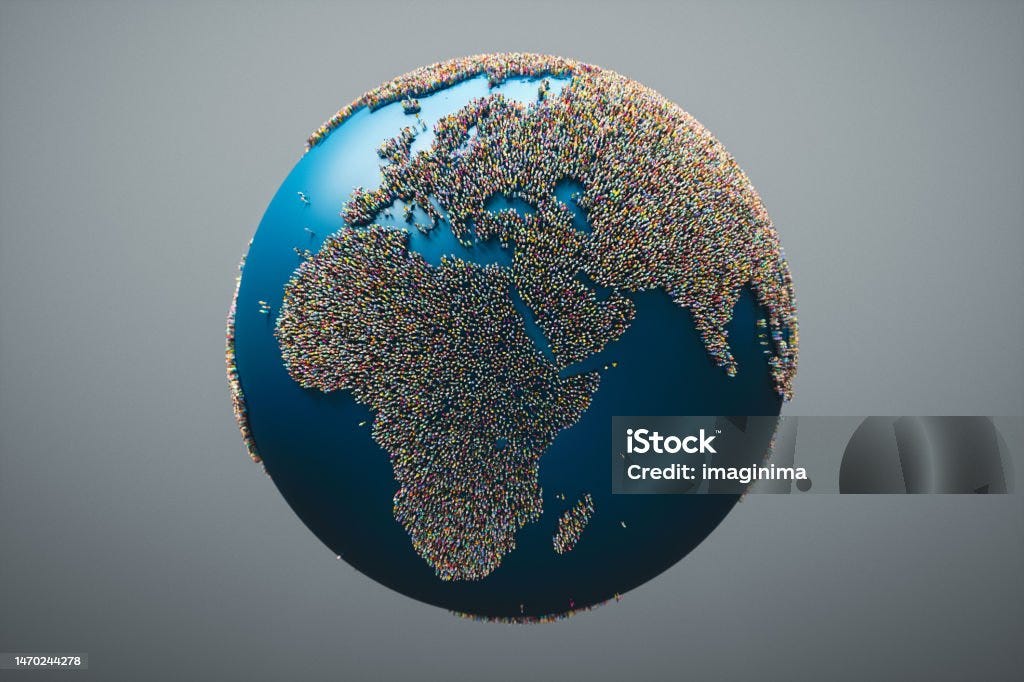
“More people. Fewer resources. One shared planet.”
The topic of overpopulation is often mired in controversy, ranging from “doomsday” Malthusian predictions to “cornucopian” optimism that technology will solve everything. To understand the future of humanity, we must dive deep into the causes, the environmental consequences, and the potential solutions to the overpopulation crisis.
— -
What Exactly is Overpopulation?
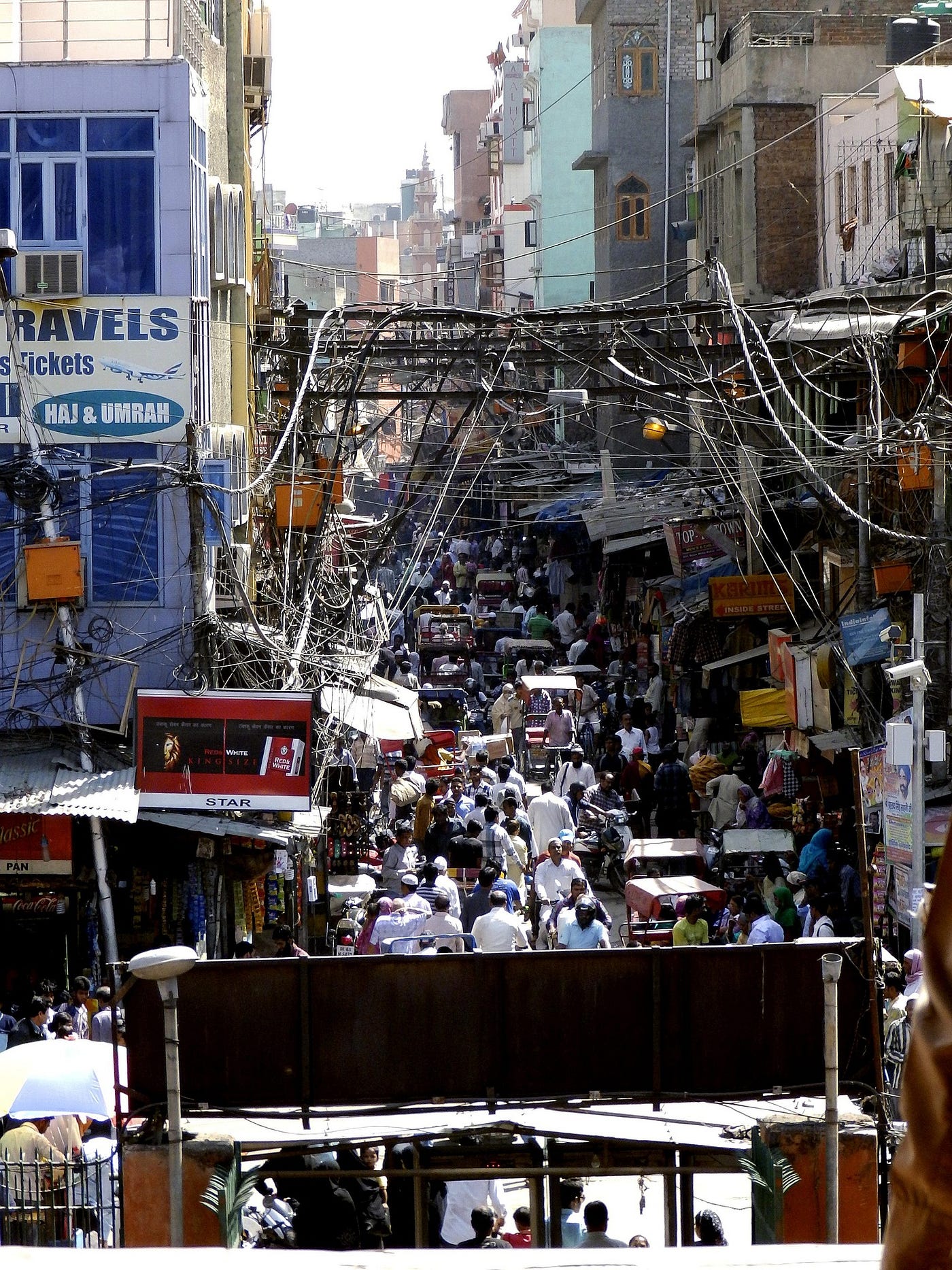
Overpopulation occurs when the number of individuals in a specific environment exceeds the carrying capacity of that environment. In a global context, it refers to a situation where the human population outpaces the available natural resources required for survival — such as clean water, arable land, and energy — while causing irreversible damage to the ecosystem.
It is important to note that overpopulation isn’t just about space; it’s about resource consumption and waste production.
The Root Causes: Why Did the Population Explode?
For most of human history, the population grew at a glacial pace. It took until 1804 for humanity to reach its first billion. However, the last two centuries have seen exponential growth. Why?
1. The Medical Revolution
The discovery of vaccines, antibiotics, and better surgical techniques drastically reduced infant mortality rates and increased life expectancy. Diseases that once wiped out millions, like smallpox or the plague, are now either eradicated or manageable.
2. The Green Revolution
In the mid-20th century, advancements in agricultural technology — including high-yield crop varieties, synthetic fertilizers, and advanced irrigation — allowed us to produce more food than ever before. This “Green Revolution” made it possible to feed billions who might otherwise have faced starvation.
3. Improved Sanitation and Nutrition
Basic public health measures, such as clean running water and sewage treatment, have arguably saved more lives than any medical intervention, preventing the spread of waterborne diseases.
— -
The Consequences of an Overcrowded Planet
The impact of 8 billion (and counting) people is not evenly distributed, but the global consequences are undeniable.
1. Depletion of Natural Resources
The Earth’s resources are finite. We are currently consuming renewable resources at a rate 1.75 times faster than the planet can regenerate them. This leads to:
-
Water Scarcity: Over 2 billion people currently live in countries experiencing high water stress.
-
Deforestation: As we clear land for housing and agriculture, we lose the “lungs of the planet.”
2. Environmental Degradation and Climate Change
More people mean more consumption, which leads to higher carbon emissions. Overpopulation acts as a multiplier for every other environmental problem. From plastic pollution in the oceans to the greenhouse effect, the sheer volume of human activity is altering the Earth’s climate at an unprecedented rate.
3. Loss of Biodiversity
We are currently in the midst of the “Sixth Mass Extinction.” As human urban centers expand, wildlife habitats shrink. According to the WWF, wildlife populations have declined by an average of 69% since 1970.
4. Socio-Economic Strain
In rapidly growing developing nations, the infrastructure — schools, hospitals, and housing — cannot keep up with the population. This leads to the rise of “megacity” slums, increased poverty, and potential social unrest.
— -
The “Demographic Transition”: Is Growth Slowing Down?
While the total number of people is still rising, the rate of growth is actually slowing. This is a phenomenon known as the Demographic Transition.
As nations develop, they typically move from high birth and death rates to low birth and death rates. In many parts of the world — including Europe, Japan, and now even parts of the Americas — fertility rates have fallen below the “replacement level” (2.1 children per woman).
The challenge of the 21st century is a “tale of two worlds”:
-
Developing Nations: Primarily in Sub-Saharan Africa and parts of Asia, where populations are still surging.
-
Developed Nations: Where aging populations and shrinking workforces are creating a different kind of economic crisis.
— -
Sustainable Solutions: The Path Forward
Addressing overpopulation does not require draconian measures. Instead, it requires a focus on human rights and global equity.
1. Empowering Women through Education
There is a direct, proven correlation between the education of girls and lower fertility rates. When women have access to education and career opportunities, they tend to marry later and have fewer, healthier children.
2. Universal Access to Healthcare
Ensuring that family planning services and reproductive healthcare are available to everyone — regardless of geography or income — is one of the most effective ways to stabilize population growth.
3. Technological Innovation
To sustain the billions already here, we must transition to a circular economy. This includes:
-
Renewable Energy: Moving away from fossil fuels to solar and wind.
-
Sustainable Agriculture: Vertical farming and lab-grown proteins to reduce land use.
-
Desalination: To address the growing water crisis.
4. Rethinking Consumption
Overpopulation is half of the equation; overconsumption is the other. A person born in a high-income country has a carbon footprint dozens of times larger than a person born in a low-income country. Addressing the habits of the world’s wealthiest is just as critical as managing population growth in the poorest regions.
Conclusion: A Balanced Future
Overpopulation is not a simple problem with a single solution. It is a complex interplay of biology, economics, and human rights. While the “population bomb” predicted in the 1960s hasn’t quite exploded, the pressure on our planet is undeniable.
The goal for the coming decades is not just to survive, but to thrive. By focusing on education, sustainable technology, and equitable resource distribution, we can ensure that the Earth remains a hospitable home for the 8 billion of us today — and the billions more yet to come.
What do you think? Is technology the answer to our growing numbers, or do we need to fundamentally change how many of us inhabit the Earth? Share your thoughts in the comments below.
메타데이터
- post_id
- 52bee2d2e1af
- slug
- the-global-population-challenge-understanding-the-impacts-and-future-of-overpopulation-52bee2d2e1af
- url
- https://medium.com/@mylightpain/the-global-population-challenge-understanding-the-impacts-and-future-of-overpopulation-52bee2d2e1af
- canonical_url
- https://medium.com/@mylightpain/the-global-population-challenge-understanding-the-impacts-and-future-of-overpopulation-52bee2d2e1af
- author_url
- https://medium.com/@mylightpain
- status
- ok
- fetched_at
- 2026-08-19 14:57:43