Airbnb Clone Development: Everything You Need to Know Before Getting Started
The sharing economy has revolutionized the way people book accommodations for their vacations, and Airbnb Clone apps are emerging as a…
Airbnb Clone Development: Everything You Need to Know Before Getting Started
The sharing economy has revolutionized the way people book accommodations for their vacations, and Airbnb Clone apps are emerging as a popular business model. The success of Airbnb has inspired entrepreneurs worldwide to create platforms that offer similar services, providing users with an opportunity to book vacation rentals, experiences, and even host their own properties. However, creating an **app like Airbnb** requires a careful understanding of the technology, development process, and business model to ensure success. If you are considering developing a vacation rental app, here is what you need to know before you start.
Understanding the Basics of an Airbnb Clone
At its core, an Airbnb Clone is a digital platform designed to connect hosts with guests, offering a seamless booking experience. Whether it’s for vacation rentals, unique stays, or short-term lodging, the app acts as an intermediary, handling everything from reservations to payments. When building a clone of such an app, it’s essential to recognize that it’s more than just replicating the Airbnb interface; it involves creating an environment that fosters trust, security, and convenience for both parties.
Building an app like Airbnb requires deep integration with various technologies, such as geolocation services, real-time messaging, secure payment gateways, and user reviews. It’s essential to focus not just on replicating Airbnb’s success, but also on enhancing the user experience and offering unique features that set your platform apart.
Key Features Your Airbnb Clone App Should Include
When building a vacation rental app, there are several essential features that your app must have to function properly and meet the expectations of users. These features not only enhance user experience but also facilitate the growth and scalability of your platform:
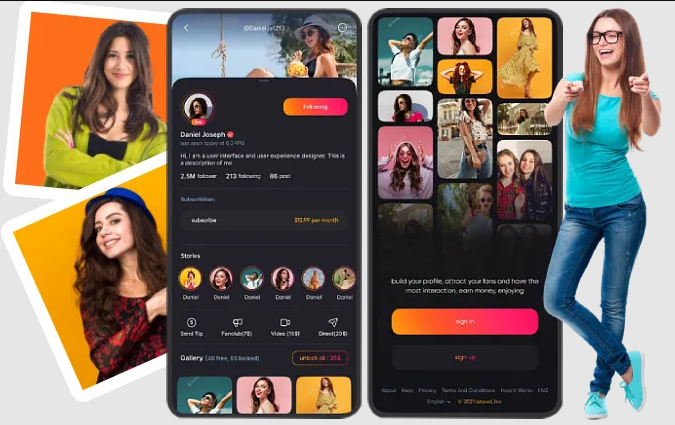
- User Profiles: Both hosts and guests should be able to create personalized profiles that highlight their preferences, reviews, and booking history. The profiles should be detailed enough to promote transparency and trust between users.
- Search & Filtering Capabilities: Guests will need a robust search function that allows them to filter properties by location, price, amenities, and other preferences. A strong filtering system makes it easier for users to find the perfect accommodation.
- Booking System: A reliable and easy-to-use booking system is essential. It should allow users to select dates, confirm availability, and make payments seamlessly.
- Payment Gateway Integration: Security and ease of payment are essential for any on-demand app development company looking to create an app like Airbnb. Integrating multiple payment methods (credit cards, PayPal, etc.) ensures that users have a flexible and secure way to complete transactions.
- Ratings & Reviews: To foster trust, your app should allow guests and hosts to rate each other after a stay. Reviews can act as a form of social proof and help future guests decide whether a listing meets their expectations.
- Push Notifications: Real-time communication is crucial in the hospitality industry. Push notifications can keep users informed about booking confirmations, cancellations, and promotions.
- Admin Panel: To manage the platform, an admin panel should allow easy management of user accounts, property listings, payments, disputes, and other platform activities.
These features represent just a small sample of what an Airbnb Clone should offer. Depending on the market you’re targeting, you may need to add extra features like multi-language support, in-app messaging, or even an experience-booking module to set your app apart from the competition.
Technology Stack for Building Your Airbnb Clone
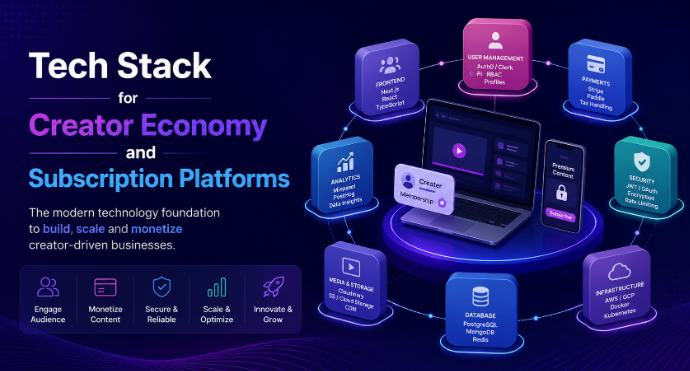
Building a scalable, secure, and high-performing vacation rental app requires choosing the right technology stack. The technologies used in Airbnb Clone development depend on factors like the complexity of the app, your budget, and your timeline. Here are some key components of the tech stack that you should consider:
- Frontend Technologies: The frontend of your app is responsible for the user interface (UI). For mobile apps, technologies like React Native or Flutter are popular for their cross-platform capabilities. These frameworks allow you to develop apps for both iOS and Android with a single codebase, saving time and reducing development costs. For web apps, React.js or Vue.js are commonly used.
- Backend Technologies: The backend of the app powers its functionality, including the booking system, payment gateway, and database management. Node.js is an excellent choice for building a fast and scalable backend. Other alternatives include Ruby on Rails or Django, depending on your team’s expertise. It’s important to choose a backend solution that supports scalability, especially as your app grows.
- Database Management: Managing user data, listings, and transactions requires a robust database system. For most Airbnb Clone apps, MySQL or PostgreSQL are solid relational database management systems. Alternatively, you could use MongoDB, a NoSQL database, if you’re dealing with a large amount of unstructured data.
- Cloud Hosting: For hosting your app and ensuring high availability, consider using cloud platforms like Amazon Web Services (AWS) or Google Cloud Platform (GCP). These platforms offer scalable solutions that can handle spikes in traffic during peak seasons.
- Geolocation: One of the core features of any vacation rental app is geolocation. Users should be able to search for properties based on their current location or destination. Integrating with Google Maps API or Mapbox can provide the necessary geolocation functionality.
- Security Features: Security is a top priority in the development of an app like Airbnb. Implement SSL encryption for secure data transmission, use OAuth for secure authentication, and integrate a reliable payment gateway such as Stripe or PayPal for handling financial transactions. Additionally, you should implement measures to protect against fraud, such as ID verification for both guests and hosts.
Building an Airbnb Clone: In-House or Outsourcing?
One of the most significant decisions when developing an Airbnb Clone is whether to build the app in-house or outsource the development to an **on-demand app development company**. While both options have their pros and cons, outsourcing app development to experienced professionals can offer several advantages, such as:
- Cost-effectiveness: Outsourcing allows you to tap into the expertise of developers in countries with lower labor costs, which can reduce overall development expenses.
- Faster Time-to-Market: Experienced developers can create your app more efficiently, helping you launch the platform faster and start attracting users.
- Focus on Core Business: By outsourcing the technical development, you can focus on other critical aspects of your business, such as marketing and operations.
However, if you have the resources and expertise in-house, developing the app internally may give you greater control over the process and long-term maintenance.
The Challenges of Developing an Airbnb Clone
While the development of an Airbnb Clone may seem like a lucrative business opportunity, it comes with its own set of challenges. These challenges include competition from established platforms like Airbnb, attracting hosts and guests to your platform, and maintaining the security and reliability of the app as it scales. Additionally, you’ll need to continually innovate and differentiate your platform to stay ahead of emerging competitors and changing market trends.
It’s also important to navigate legal and regulatory challenges, especially when dealing with vacation rentals. You must ensure that your platform complies with local laws, including those related to taxes, zoning, and short-term rentals.
Conclusion
Creating an **Airbnb Clone** is a promising business opportunity in the booming vacation rental market, but it requires careful planning and execution. By focusing on essential features, choosing the right technology stack, and addressing challenges like security and competition, you can build a platform that meets the needs of both hosts and guests. Whether you’re working with an on-demand app development company or building the app in-house, understanding the technical, operational, and business aspects of the platform will increase your chances of success. Keep in mind that a user-friendly interface, secure payment integration, and robust support features are just the beginning of a successful Airbnb-like platform.
메타데이터
- post_id
- 52c6b3ee65a5
- slug
- airbnb-clone-development-everything-you-need-to-know-before-getting-started-52c6b3ee65a5
- url
- https://mobileappcircular.com/airbnb-clone-development-everything-you-need-to-know-before-getting-started-52c6b3ee65a5
- canonical_url
- https://mobileappcircular.com/airbnb-clone-development-everything-you-need-to-know-before-getting-started-52c6b3ee65a5
- author_url
- https://medium.com/@rashidkhanrk1717
- status
- ok
- fetched_at
- 2026-06-21 09:28:28