CometChat Alternatives: Better Options for Modern In-App Chat and Engagement Systems
CometChat is widely used for adding real-time chat functionality inside apps and websites. It provides messaging SDKs, APIs, and UI kits…
CometChat Alternatives: Better Options for Modern In-App Chat and Engagement Systems

CometChat is widely used for adding real-time chat functionality inside apps and websites. It provides messaging SDKs, APIs, and UI kits that help developers embed chat into digital products.
However, as product expectations evolve, many teams start looking for alternatives that offer faster setup, stronger AI capabilities, simpler pricing, or more modern engagement workflows.
The key shift is that chat is no longer just a messaging feature. It is becoming an engagement, support, and conversion layer inside digital products.
Key Takeaways
- CometChat alternatives differ mainly in architecture, not just features.
- Modern platforms increasingly combine messaging with AI, automation, and engagement workflows.
- The best choice depends on whether a business prioritizes infrastructure control, speed, or automation.
Why do companies look for CometChat alternatives
Most teams do not switch tools because CometChat lacks functionality. They switch because implementation complexity and long-term scaling needs change over time.
One common challenge is development overhead. While CometChat is powerful, it often requires engineering effort to fully customize and maintain at scale. For startups and fast-moving SaaS teams, this can slow down iteration cycles.
Another reason is feature direction. Many modern businesses now want chat systems that include AI automation, lead qualification, and customer support workflows, not just messaging infrastructure.
Cost scaling is also a factor. As usage grows, pricing structures can become less predictable for high-volume applications.
What should a modern CometChat alternative offer
A strong alternative to CometChat is no longer just a messaging SDK. It needs to support broader engagement architecture.
Key capabilities include:
- Real-time messaging with low latency
- Easy frontend integration with minimal engineering effort
- AI-assisted conversation handling
- Support for customer engagement workflows
- Scalability for high traffic environments
- Integration with CRM and business systems
The difference between basic chat infrastructure and modern engagement platforms is the shift from “chat as a feature” to “chat as a system.”
Best CometChat alternatives in 2026
Below are real, widely used platforms that serve as alternatives depending on use case. This includes developer-focused tools, enterprise platforms, and AI-first chat systems.
Chatboq
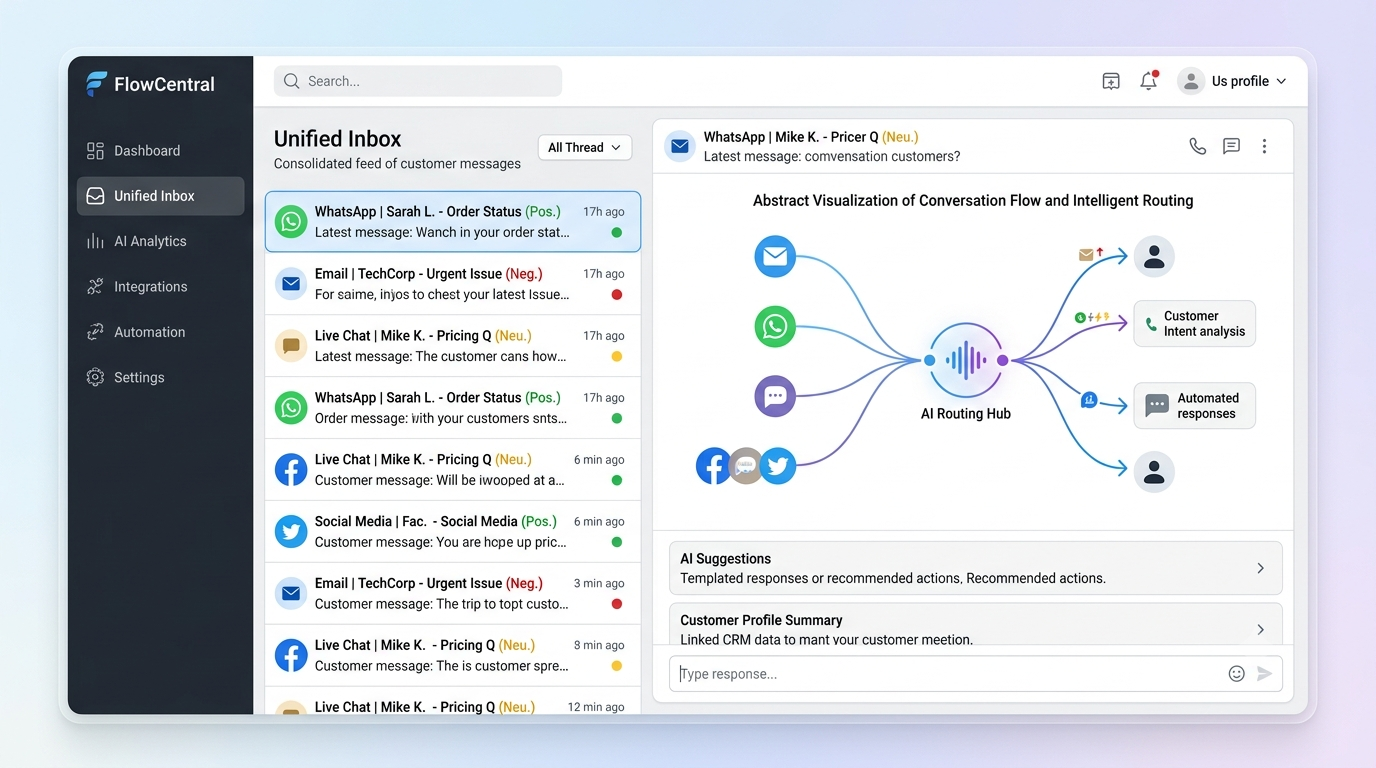
Chatboq is an AI-first chat and engagement platform designed for businesses that want more than basic messaging infrastructure.
It focuses on:
- AI-powered website and app conversations
- Automated lead qualification inside chat flows
- Lightweight integration for fast deployment
- Conversion-focused engagement rather than just messaging
Compared to traditional SDK-heavy platforms, Chatboq is positioned as a business engagement layer rather than a pure chat infrastructure tool.
Sendbird
Sendbird is one of the closest direct competitors to CometChat.
It offers:
- Robust chat APIs and SDKs
- In-app messaging and voice/video capabilities
- Enterprise-grade scalability
- Strong moderation and security tools
Sendbird is often used by large-scale consumer apps that need highly reliable messaging infrastructure.
Stream Chat
Stream (Stream Chat) is a developer-friendly alternative focused on speed and scalability.
It provides:
- Prebuilt UI components
- Real-time messaging APIs
- Activity feeds and engagement tools
- Strong performance for high concurrency apps
Stream is widely used in social platforms, marketplaces, and community-driven applications.
Firebase (Google Cloud)
Firebase is not a dedicated chat product, but many teams use it to build custom chat systems.
It includes:
- Real-time database for messaging sync
- Authentication and user management
- Cloud functions for chat logic
- Tight integration with Google Cloud ecosystem
Firebase is best suited for teams that want full control and are comfortable building chat logic themselves.
Intercom
Intercom is more of a customer engagement platform than a pure chat SDK, but it is often used as an alternative in SaaS environments.
It includes:
- In-app messaging
- Automated workflows and bots
- Customer support and onboarding tools
- Behavioral targeting and segmentation
Intercom is ideal when chat is tied directly to user onboarding and lifecycle engagement.
Twilio Conversations
Twilio provides APIs for building scalable messaging systems.
It offers:
- Programmable chat infrastructure
- SMS, WhatsApp, and multi-channel messaging
- Strong global delivery infrastructure
- Highly customizable architecture
Twilio is often chosen by enterprises building multi-channel communication systems.
How CometChat alternatives differ in architecture
Alternatives generally fall into three categories:
Infrastructure-first tools: These include Sendbird, Stream, and Twilio. They provide raw messaging systems that require engineering work but offer maximum flexibility.
Platform-first tools: Intercom and similar platforms provide chat as part of a broader customer engagement suite.
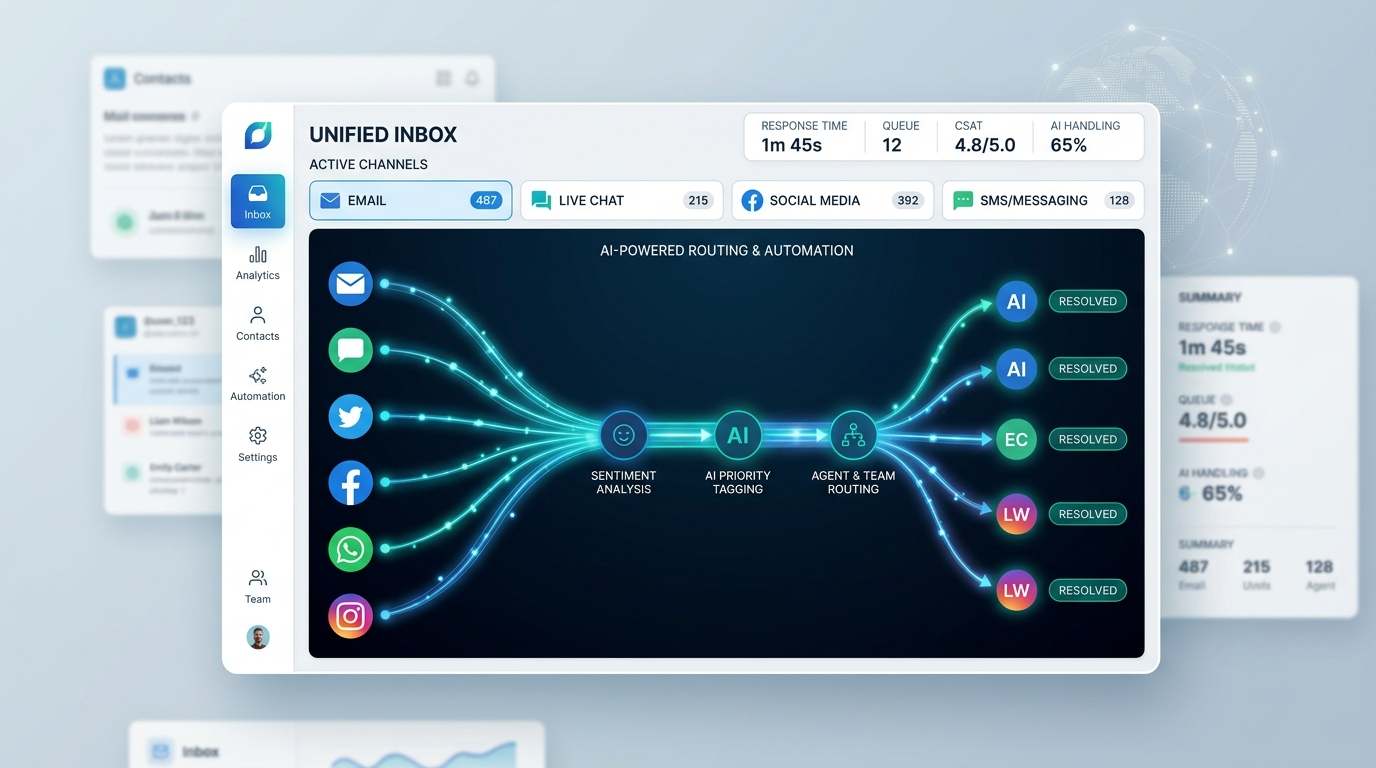
AI-first tools: Chatboq represents a newer category where chat is designed around automation, lead handling, and conversion workflows rather than just message exchange.
The key difference is not messaging capability. It is how deeply the system connects to business outcomes.
What is the main tradeoff when switching from CometChat
The biggest tradeoff is control versus speed.
CometChat offers structured SDKs that give developers control over chat behavior. However, that control comes with implementation complexity.
Modern alternatives often reduce engineering effort but may abstract away low-level customization.
AI-first systems reduce complexity further by handling conversation logic automatically, but they may offer less granular control over infrastructure behavior.
The right choice depends on whether the priority is engineering flexibility or business speed.
How should businesses choose the right chat system
Selection should not start with features. It should start with a use case definition.
If the goal is building a social app or marketplace, infrastructure-first tools like Stream or Sendbird make sense.
If the goal is customer support or SaaS onboarding, platforms like Intercom are more suitable.
If the goal is conversion-driven engagement and automation, AI-first systems like Chatboq become more relevant.
The mistake most teams make is choosing based on popularity rather than system architecture fit.
Where chat systems are heading next
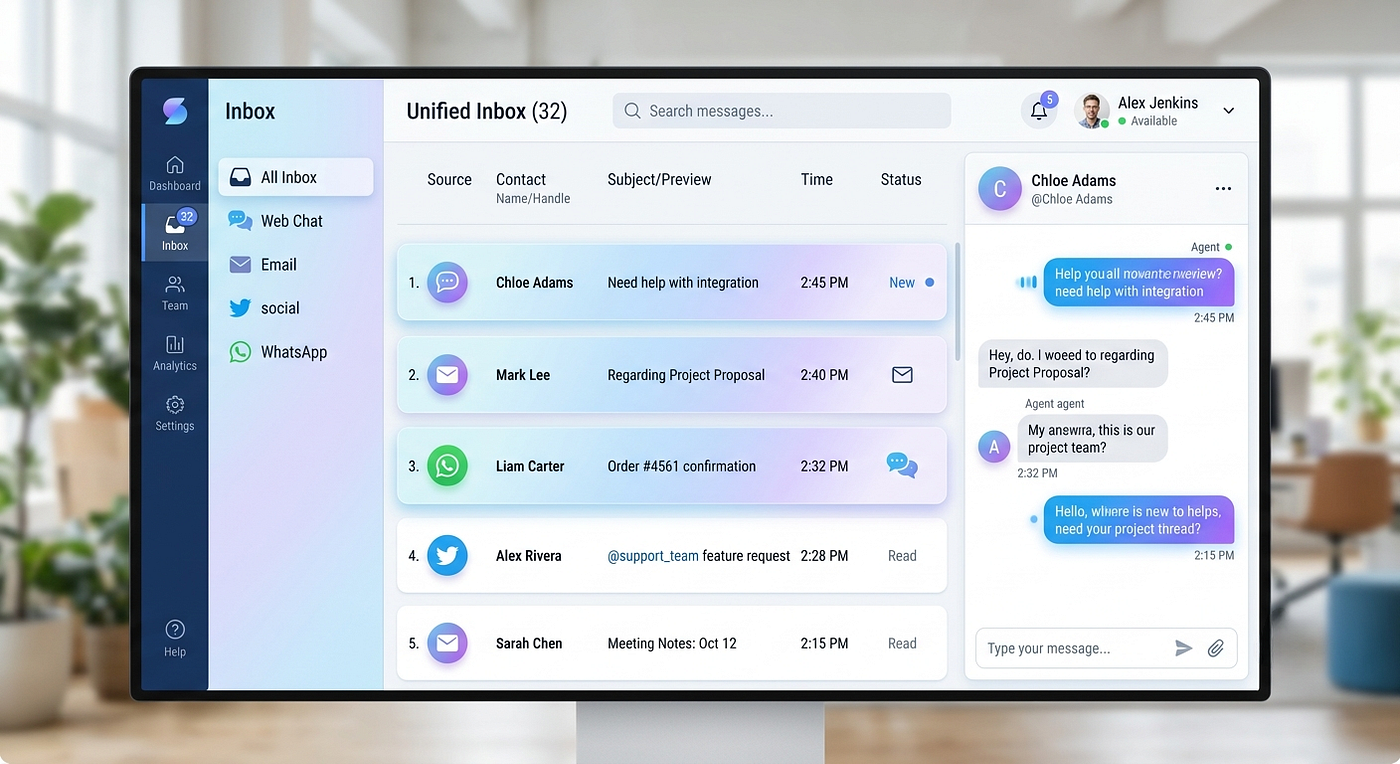
Chat infrastructure is evolving toward unified engagement systems.
Instead of separate tools for messaging, support, and automation, modern platforms are merging these functions into a single layer that handles conversations, behavior tracking, and business outcomes simultaneously.
The future of chat is not messaging alone. It is integrated decision support inside digital experiences.
메타데이터
- post_id
- 530ddb6df050
- slug
- cometchat-alternatives-better-options-for-modern-in-app-chat-and-engagement-systems-530ddb6df050
- url
- https://medium.com/@chatboq/cometchat-alternatives-better-options-for-modern-in-app-chat-and-engagement-systems-530ddb6df050
- canonical_url
- https://medium.com/@chatboq/cometchat-alternatives-better-options-for-modern-in-app-chat-and-engagement-systems-530ddb6df050
- author_url
- https://medium.com/@chatboq
- status
- ok
- fetched_at
- 2026-07-22 14:34:18