The Silent Death of Emotional Understanding
That is exactly where you rediscover yourself and become more of yourself
The Silent Death of Emotional Understanding
That is exactly where you rediscover yourself and become more of yourself
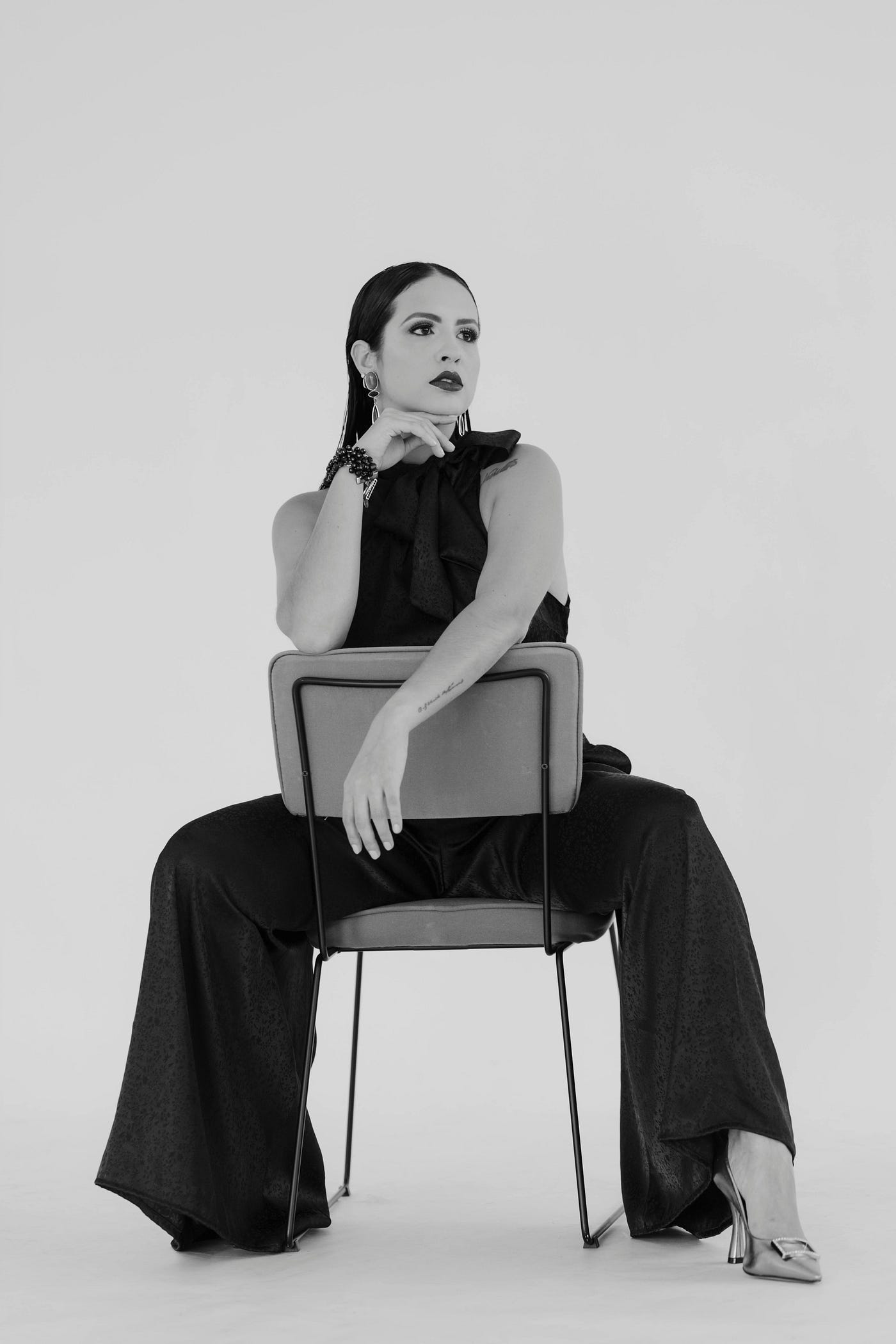
Photo by Nikolay Hristov on Unsplash
Looking inward was not something that ever came to me. It was neither taught nor do I feel the requirement that way.
I know myself, my feelings, values, and beliefs. And they all make me and carry the way I am. I appear, or rather present myself, that way in front of the world, including myself.
As they say, what you see on the outside isn’t always what’s happening on the inside.
As a matter of habit, whether in a formal meeting or a casual conversation, the first question that usually comes our way is, “How are you?”
Ever since my school days, when I was learning English as my second language, I was taught the standard response: “I am fine.”
It was one of the very first conversational exchanges I memorised; short, simple, and easy to remember.
As I grew older, however, I realised that no one had taught me something far more important.
Sometimes, “I am fine”, accompanied by a smile, is the least truthful answer a person can give. Behind those three familiar words can lie exhaustion, grief, anxiety, loneliness, or emotions too complicated to explain. Yet, they remain the most common or rather, most accepted response that we give, and also the society expects.
Opening and looking at social media fills your head with a lot of hope, excitement, comparisons, joys and also at times a sense of disappointment over something or the other.
A few months ago, while scrolling through social media, I came across a short video, a mixture of photographs of one of my old friends’ mothers. It was beautifully put together, and without giving it much thought, I watched it, appreciated it, and clicked the “Like” button before moving on.
I didn’t take a moment to read the caption she had written below the video. I was simply sliding through.
Months later, I came across another post by her. This time, she had penned a heartfelt reflection, sharing cherished memories and the emotions she had experienced with her mother.
I paused after reading the very first few lines. It didn’t take long for me to realise that her mother had passed away a few months earlier.
In that instant, I remembered the video I had casually watched and “liked” before scrolling past. It was never just another social media post. It was a tribute to her mother’s memory. I had missed its true meaning because I hadn’t taken a moment to read the words that accompanied it.
The truth is, we are gradually losing our ability to understand the emotions behind what we see and hear. We glance at pictures without sensing the stories they carry, read words without feeling the emotions behind them, and listen to conversations without hearing what remains unspoken.
I have experienced this many times in my own life.
Whenever my leave was coming to an end and I began packing my bags to return home, the atmosphere in the house would change almost instantly. There would be fewer conversations, longer silences, and an unspoken heaviness in the air.
My mother would ask in a soft voice, “Did you pack everything? Check once again, or it will be difficult for you there. When will you come back?”
On the surface, they were simple questions. But they carried something much deeper. They were her way of saying, “I don’t want you to leave. I am already waiting for the day you’ll return.” Her emotions were hidden in ordinary words.
I witnessed something similar during my father’s final days. One day, I asked him, “How are you feeling now?”
He quietly replied, “I am not feeling good.”
Naturally, I asked, “What happened?”
After a brief pause, he said, “I don’t know how to explain it. Something inside doesn’t feel right.”
Those words left me feeling helpless. I kept asking myself what he was truly trying to tell me. Was it physical pain? Was it fear? Was it his body preparing him for something he himself could sense but could not describe? Looking back, I realise he was trying to express an emotion for which words were simply not enough.
And then there is a memory I can never forget.
On the day of my wedding, after the ceremony had ended, I was busy with the remaining rituals. My grandmother had to leave early because, at her age, she could no longer sit for long.
She barely spoke before leaving.
She called out my name. I turned around and saw her standing just inside the gate while I was outside. Gently raising one hand to her shoulder, she said, “I’m leaving.”
I simply replied, “Yes.”
Neither her “I’m leaving” nor my “Yes” was ordinary.
Between those two simple words lay countless emotions that neither of us could put into sentences. She knew I was beginning a new chapter of my life. I knew she was finding it difficult to let me go. We understood each other without needing to explain anything.
At that moment, all I wanted to do was run to her and hold her tightly, as if an embrace could express everything that words could not.
Not every emotion is spoken. Some live in a pause. Some tremble through a voice. Some linger in eyes that refuse to let go. The deepest emotions rarely ask for words; they simply wait for a heart willing to understand them.
메타데이터
- post_id
- 53877c25cd6c
- slug
- the-silent-death-of-emotional-understanding-53877c25cd6c
- url
- https://medium.com/writers-blokke/the-silent-death-of-emotional-understanding-53877c25cd6c
- canonical_url
- https://medium.com/writers-blokke/the-silent-death-of-emotional-understanding-53877c25cd6c
- author_url
- https://medium.com/@biswarupa-mohapatra
- status
- ok
- fetched_at
- 2026-07-08 19:15:55