The Decline of BC’s NDP: Unpacking Key Mistakes and Growing Public Dissatisfaction
As British Columbia gears up for its next provincial election, the political landscape is undergoing a dramatic shift. Once seemingly…
The Decline of BC’s NDP: Unpacking Key Mistakes and Growing Public Dissatisfaction
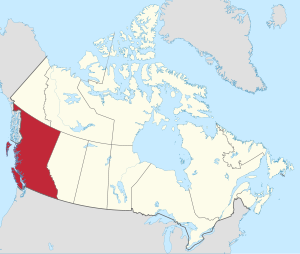
British Columbia on the Canadian Map credits (Social Media)
As British Columbia gears up for its next provincial election, the political landscape is undergoing a dramatic shift. Once seemingly unassailable, the BC NDP under Premier David Eby is now facing a significant backlash, with recent polls showing the party tied with the resurgent BC Conservatives. This article delves into the critical mistakes made by the NDP, the public sentiments driving this shift, and the emerging needs of British Columbians that are shaping the province’s political future.
The Rise and Fall: NDP’s Overconfidence
At the beginning of 2024, the BC NDP was riding high, with polls suggesting they were leading their nearest rivals by an impressive 18% to 28%. This substantial lead seemed to guarantee an easy victory in the upcoming election. However, the NDP’s overconfidence and perceived hubris quickly became their undoing.
Premier David Eby and his cabinet, buoyed by strong early polling, believed they were untouchable. This sense of invincibility led them to make a series of strategic and policy blunders, severely underestimating the potential consequences. The NDP’s failure to recognize the shifting political winds and address growing public concerns has now placed their once secure position in jeopardy.
Controversial Policies: Alienating the Electorate
One of the most significant factors contributing to the NDP’s decline is their support for controversial policies, particularly around public health and safety. The decriminalization of hard drugs, a cornerstone of the NDP’s approach to addressing the opioid crisis, has sparked widespread criticism. While intended to reduce harm and promote safer drug use, many voters perceive these policies as exacerbating public safety issues rather than solving them.
A particularly contentious proposal from Bonnie Henry, BC’s Provincial Health Officer, to sell drugs in retail convenience stores has further alienated voters. This idea, which many see as radical and dangerous, has become a lightning rod for criticism. The NDP’s support, or at least tolerance, of such proposals has raised questions about their priorities and judgment.
Healthcare Mismanagement: A Growing Crisis
Healthcare has long been a critical issue for voters, and the NDP’s handling of the healthcare system has become a major point of contention. Under the NDP’s watch, wait times for essential treatments have soared to unacceptable levels. In some cases, British Columbians have been forced to seek medical care outside the province, such as in Washington State, due to the inadequate provision of services at home.
The decision to fire unvaccinated doctors, while aligned with public health mandates, has also contributed to a strained healthcare workforce. The combination of these factors has led to a perception that the NDP has mismanaged the healthcare system, leaving many British Columbians feeling vulnerable and underserved.
Cabinet Instability: A Party in Disarray
Adding to the NDP’s woes is the growing instability within the party itself. The resignation of key cabinet ministers and other members of the caucus has fueled speculation about internal discord and a lack of confidence in the party’s future. This instability is not just a bad look for the NDP; it suggests deeper issues within the party that may be contributing to their declining support.
The public perceives these resignations as a sign that even the NDP’s own members are losing faith in the party’s direction. In a time when strong, stable leadership is crucial, the NDP appears to be floundering, further eroding voter trust.
Ideological Extremism: Disconnecting from Mainstream Voters
Another critical mistake highlighted by critics is the NDP’s perceived shift towards ideological extremism. Premier David Eby has been portrayed as a leader more focused on advancing a radical activist agenda than on practical governance. This portrayal, whether entirely fair or not, has resonated with many voters who feel that the NDP is out of touch with the everyday concerns of British Columbians.
Policies such as the continued support for decriminalization and safe supply of drugs, alongside controversial education reforms, have led to accusations that the NDP is more interested in implementing an ideological vision than in addressing the real-world needs of the province. This perception has driven many former NDP supporters to reconsider their options.
Public Sentiments and Emerging Needs: A Call for Change
The rising support for the BC Conservatives is not just a rejection of the NDP’s policies; it’s also a reflection of broader public sentiments and emerging needs in British Columbia. Voters are increasingly concerned with issues such as public safety, healthcare, and economic stability — areas where they feel the NDP has failed to deliver.
There is a growing desire for pragmatic, results-oriented governance that prioritizes the well-being of all citizens over ideological commitments. The BC Conservatives, under John Rustad’s leadership, have capitalized on these sentiments by positioning themselves as a viable alternative that promises to address these concerns head-on.
Conclusion: The Path Forward
As the election approaches, the BC NDP faces a significant challenge. To regain the trust of British Columbians, they must address the very real concerns that have driven voters to look elsewhere. This means re-evaluating their policies, stabilizing their leadership, and reconnecting with the needs of the electorate.
For the BC Conservatives, the challenge will be to maintain their momentum and convince a broader swath of voters that they can deliver on their promises. As public sentiment continues to evolve, the political landscape in British Columbia remains highly dynamic, with the potential for significant change on the horizon.
In the end, the upcoming election will likely be a referendum on the NDP’s performance and the public’s desire for a new direction. Whether the BC Conservatives can capitalize on this remains to be seen, but one thing is clear: the political status quo in British Columbia is anything but stable.
메타데이터
- post_id
- 538d8a606145
- slug
- the-decline-of-bcs-ndp-unpacking-key-mistakes-and-growing-public-dissatisfaction-538d8a606145
- url
- https://medium.com/@QasimKhanzada/the-decline-of-bcs-ndp-unpacking-key-mistakes-and-growing-public-dissatisfaction-538d8a606145
- canonical_url
- https://medium.com/@QasimKhanzada/the-decline-of-bcs-ndp-unpacking-key-mistakes-and-growing-public-dissatisfaction-538d8a606145
- author_url
- https://medium.com/@QasimKhanzada
- status
- ok
- fetched_at
- 2026-07-23 03:36:26