Future-Ready Gate Barrier System for UAE Infrastructure — A Complete Guide
As the UAE continues its relentless march toward becoming the world’s smartest built environment, a robust Gate Barrier System has become…
Future-Ready Gate Barrier System for UAE Infrastructure — A Complete Guide
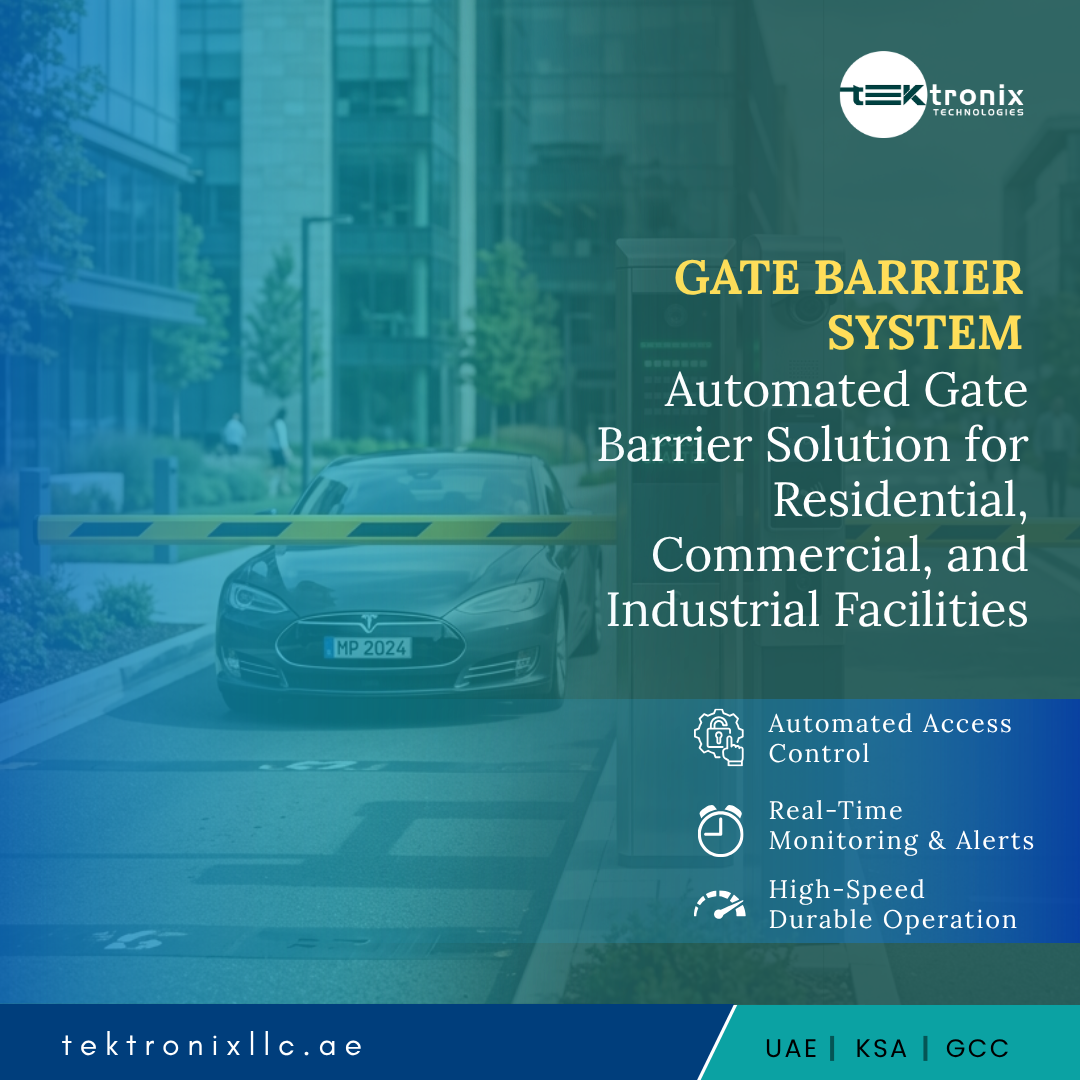
As the UAE continues its relentless march toward becoming the world’s smartest built environment, a robust Gate Barrier System has become an indispensable pillar of urban security, traffic regulation, and smart mobility. From the high-rise corridors of Downtown Dubai to the sprawling industrial zones of Abu Dhabi and the growing commercial clusters of Sharjah, access control infrastructure is no longer just a gate — it is a critical node in a digitally connected ecosystem.
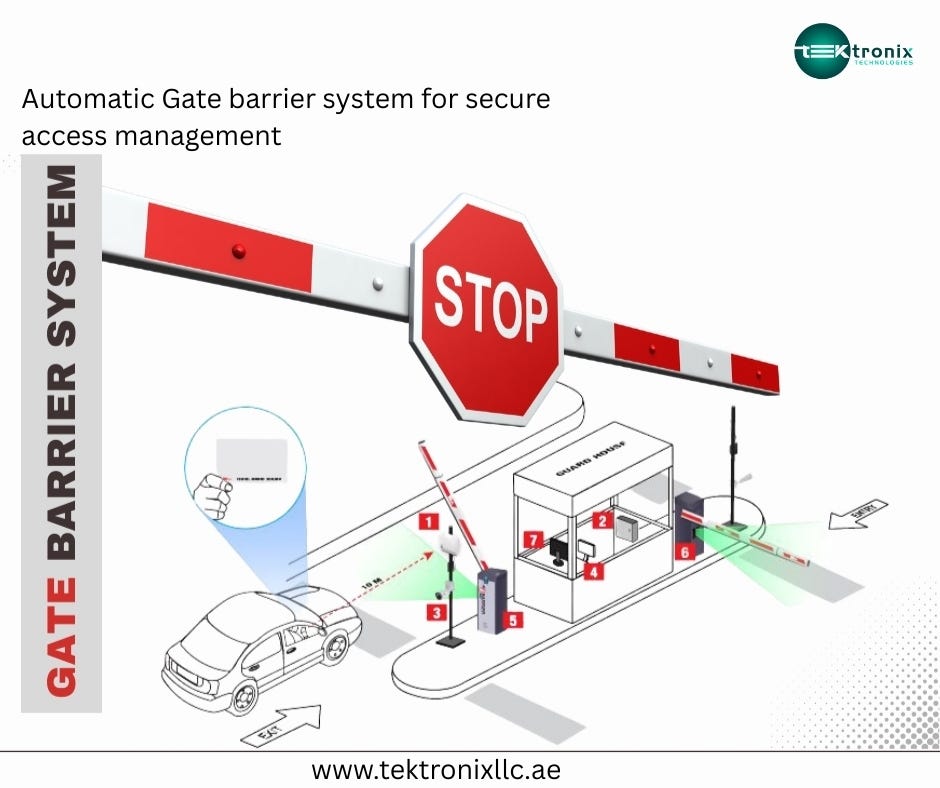
This guide explores every dimension of modern barrier technology, integrating real-world applications, regional compliance considerations, and future-forward innovation that infrastructure professionals, facility managers, and procurement teams in the Emirates need to know.
1. Why UAE’s Smart City Ambitions Demand Intelligent Gate Barriers
The UAE Vision 2031 and Dubai’s D33 Agenda prioritize connected, efficient, and data-driven urban infrastructure. **Intelligent Gate Barriers** are a strategic response to this mandate. Unlike conventional mechanical arms, intelligent barriers integrate with cloud platforms, ANPR (Automatic Number Plate Recognition) cameras, IoT sensors, and building management systems (BMS) to deliver real-time access analytics and centralized control.
Key drivers accelerating adoption across the Emirates include:
• Urban density: Mega-projects like NEOM-adjacent developments and Dubai’s 2040 Urban Master Plan demand scalable access infrastructure.
• Sustainability goals: Modern barrier systems reduce idle engine time at access points, directly contributing to lower carbon emissions aligned with the UAE Net Zero 2050 strategy.
• Expo legacy: The post-Expo ecosystem reinforced international standards for crowd management and vehicular flow control.
• Free zone expansion: JAFZA, DAFZA, KIZAD, and hundreds of smaller free zones require stringent perimeter security with audit-ready access logs.
2. Toll Gate Barriers: Powering Revenue Infrastructure Across Emirates
Toll Gate Barriers represent one of the most performance-critical barrier applications in the region. The Roads and Transport Authority (RTA) in Dubai pioneered Salik — the region’s first open-road tolling system — setting a benchmark that other Emirates are progressively adopting. High-throughput barrier systems used in toll plazas must deliver:
• Sub-second response times to maintain vehicular flow at peak hours
• IP66/IK10-rated enclosures to withstand the extreme Gulf heat (up to 55°C ambient temperatures)
• Integrated RFID and ETC (Electronic Toll Collection) compatibility
• Fail-safe mechanisms with UPS backup to prevent revenue loss during power interruptions
• Tamper-proof boom arms with anti-crash technology for high-speed lane management
Whether deployed on highway approach roads in Abu Dhabi or commercial district entry points in Sharjah, toll-grade barriers represent the intersection of revenue management and civil engineering.
3. Parking Access Barriers: Transforming Urban Mobility in Dubai & Beyond
Parking Access Barriers have evolved into sophisticated mobility management tools in the UAE’s densely built urban landscape. With Dubai’s RTA reporting millions of registered vehicles and parking demand surging in commercial hubs like Business Bay, DIFC, and Al Quoz, intelligent parking barrier ecosystems are essential for operators.
Core Capabilities of Modern Parking Barrier Solutions
• License plate recognition (LPR) for frictionless entry and exit — no ticket, no card required
• Dynamic pricing integration with POS systems for time-based billing
• Pre-booking and validation via mobile app APIs (compatible with Parkin, Mawaqif systems)
• Multi-lane management for high-capacity malls and airport terminals
• Remote monitoring dashboards for portfolio-wide facility operators
Tektronix LLC deploys parking barrier systems with dual-cabinet configurations for heavy-duty commercial environments, coupled with 24/7 technical support — a critical consideration in a market where downtime translates directly to tenant dissatisfaction and revenue leakage.
4. Automatic Boom Barrier Gates: The Engineering Behind Seamless Access
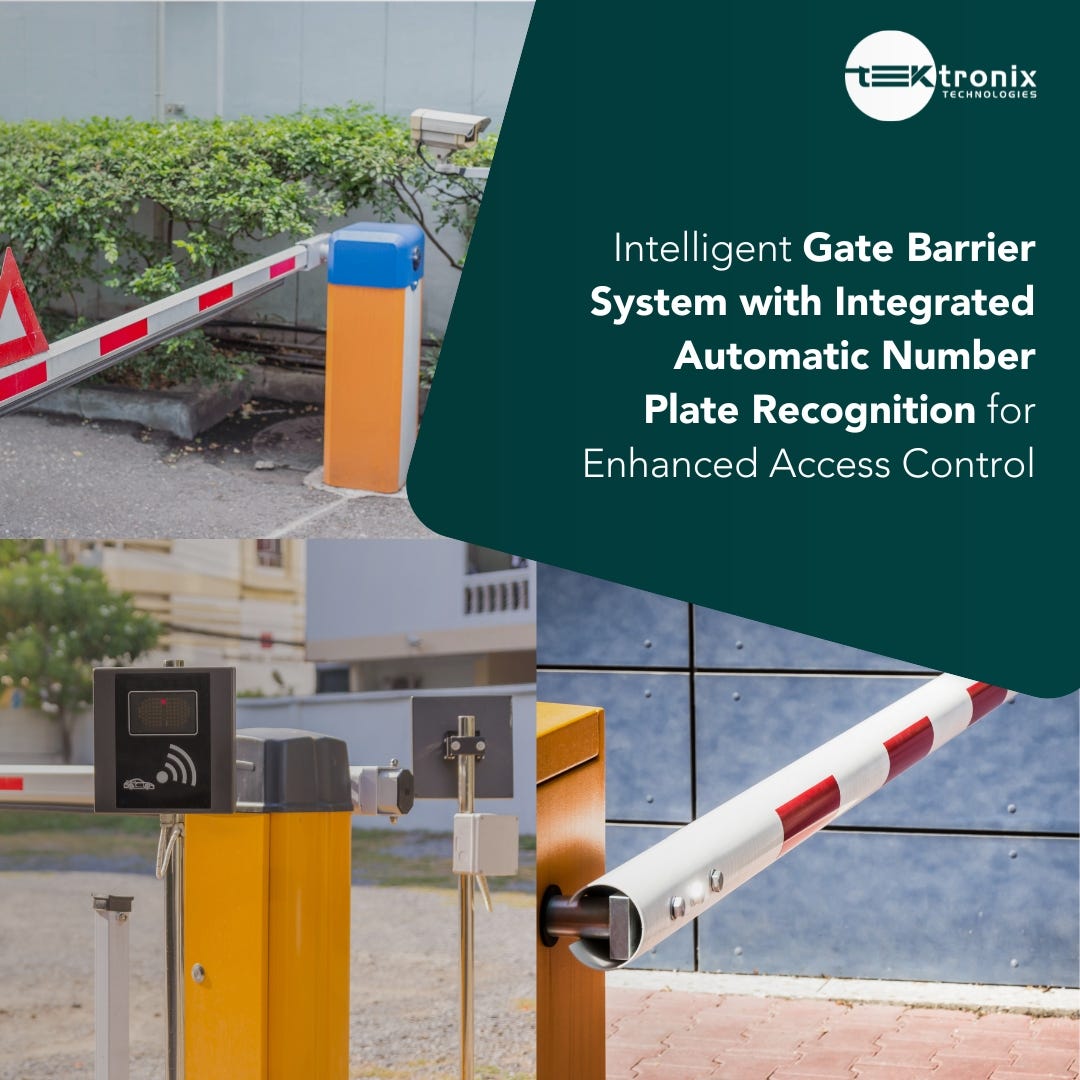
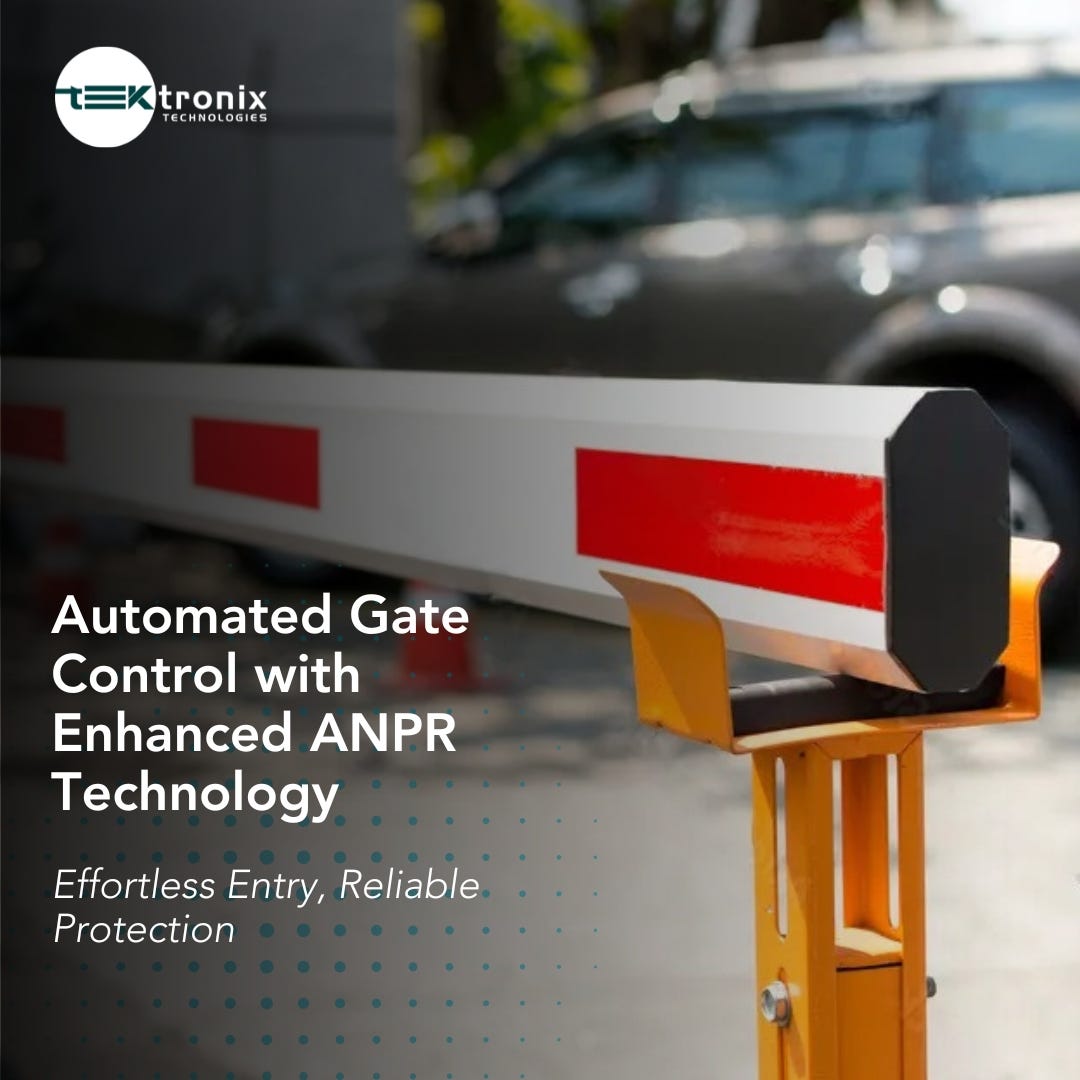
Automatic Boom Barrier Gates form the mechanical backbone of access control across the UAE’s residential communities, commercial buildings, logistics hubs, and government campuses. Their engineering must meet the dual demands of rapid throughput and long-term reliability under severe environmental stress.
Technical Specifications That Matter in the UAE Context
• Boom arm length: 3m to 9m configurations for single to multi-lane applications
• Operating cycle: Up to 60+ million cycles for high-frequency transit points
• Opening speed: 0.9 to 6 seconds, configurable based on security clearance level
• Motor type: AC induction or brushless DC motors for energy efficiency in 24/7 operation
• Integration: RS-485, Wiegand, OSDP, and dry-contact interfaces for third-party access control panels
• Safety: Integrated vehicle detection loops and infrared safety edges to prevent boom arm collision with passing vehicles
The selection of boom barrier gate technology must factor in site-specific variables: lane width, traffic peak loads, integration requirements with existing security infrastructure, and compliance with local Civil Defence and municipality regulations.
5. Traffic Management Barriers: Orchestrating Urban Vehicular Flow
Traffic Management Barriers serve a distinct function beyond individual site access — they are instruments of citywide mobility policy. In the UAE, where infrastructure projects regularly require dynamic traffic rerouting, event management at venues like Coca-Cola Arena, Dubai World Trade Centre, and Yas Island, and emergency response corridors, traffic-grade barriers must offer:
• Rapid deployment and retraction for temporary access point establishment
• SCADA integration for centralized city operations center management
• LED traffic guidance signage embedded within barrier structures
• Vehicle classification sensors to differentiate heavy goods vehicles from passenger cars
• Solar-powered options for remote or infrastructure-limited deployment zones
Traffic barrier networks are increasingly being linked to UAE’s National Traffic Command Centers, enabling predictive congestion response rather than reactive intervention.
6. Vehicle Control Barriers: High-Security Applications Across UAE Sectors
Vehicle Control Barriers address the most demanding security scenarios — critical infrastructure protection, embassy perimeters, data center campuses, and military installations. In the UAE, where sovereign wealth fund assets, oil and gas facilities, and major government buildings require active anti-ram protection, vehicle control barriers integrate with:
• Anti-terrorist rising bollards (PAS 68 / IWA 14 rated) for absolute vehicle stopping power
• Crash-rated wedge barriers for loading dock and facility perimeter protection
• Biometric access integration — fingerprint, iris, and facial recognition at secure ingress points
• Mantrap vestibule systems combining pedestrian airlock with vehicle barrier for dual-layer access control
• 24/7 remote monitoring with automated intrusion detection alerts to security operations centers (SOCs)
For mission-critical deployments, Tektronix LLC partners with globally certified manufacturers and provides site risk assessments aligned with UAE Ministry of Interior security guidelines.
7. Gate Barrier System UAE: Regional Deployment Landscape
The Gate Barrier System UAE market is one of the fastest-growing access control segments in the Middle East, projected to expand at a CAGR exceeding 8% through 2030, driven by new construction activity, infrastructure upgrades, and smart city investments.
Gate Barrier System Dubai
In Gate Barrier System Dubai deployments, the dominant use cases include residential community gatehouse automation (villas and gated compounds), commercial tower basement parking, logistics and warehousing districts in Dubai South and Jebel Ali Free Zone, and event infrastructure at Expo City Dubai and Dubai Harbour.
The RTA’s Smart Parking initiative has catalysed a city-wide upgrade of legacy barrier systems to ANPR-compatible intelligent solutions, creating demand for retrofit-compatible barrier platforms.
Gate Barrier System Abu Dhabi
For Gate Barrier System Abu Dhabi projects, the emphasis leans toward critical infrastructure protection (ADNOC facilities, KIZAD industrial zones), government campus perimeter control, and the ambitious Masdar City smart community access ecosystem. Abu Dhabi’s municipality standards impose stringent requirements on barrier installation, including civil works specifications and electrical integration compliance that necessitate certified installers.
Gate Barrier System Sharjah
The Gate Barrier System Sharjah landscape is characterized by rapid industrialization in Hamriyah Free Zone and SAIF Zone, growing demand from educational institutions and healthcare campuses, and residential master communities requiring tiered access management. Sharjah’s cost-sensitive market has driven adoption of mid-range automatic barriers with cloud management portals, balancing affordability with operational intelligence.
Why Tektronix LLC Is the UAE’s Trusted Barrier Partner
Experience: Over a decade of access control installations across UAE, including iconic projects in Dubai, Abu Dhabi, and the Northern Emirates.
Expertise: Certified engineers with specializations in ANPR integration, IP security infrastructure, and smart building systems.
Authoritativeness: Tektronix LLC is an authorized distributor and certified installer for leading global barrier brands, holding trade licenses compliant with UAE DED regulations.
Trustworthiness: Post-installation AMC (Annual Maintenance Contracts), 24/7 remote helpdesk, and on-site SLA commitments within 4 hours for critical infrastructure clients.
9. What Modern Barrier Systems Encompass
A comprehensive barrier deployment in the UAE context spans a wide semantic territory. Related concepts that inform procurement and installation decisions include:
• Access control system UAE — the broader category integrating barriers with biometrics and visitor management
• Boom gate installation Dubai — site preparation, electrical cabling, and civil foundation requirements
• RFID vehicle access UAE — radio-frequency identification tags enabling hands-free entry
• LPR system Abu Dhabi — license plate recognition integration for frictionless throughput
• Perimeter security Sharjah — holistic site protection combining barriers with CCTV and intruder detection
• Smart parking solution UAE — end-to-end parking revenue management ecosystems
• Anti-tailgating barrier Dubai — dual-loop detection preventing unauthorized vehicle piggybacking
• Barrier automation controller — the electronic brain processing access credentials and operating motor drives
• Vehicle detection loop — inductive sensor embedded in road surface to detect and count vehicles
10. Selecting the Right Barrier Solution: A Decision Framework
Procurement teams and consultants evaluating barrier systems for UAE infrastructure projects should structure their assessment around six dimensions:
- Site classification: Residential, commercial, industrial, or government — each carries different traffic volumes, security tiers, and compliance requirements.
- Throughput requirements: Calculate peak vehicles per hour (VPH) to determine boom arm speed, lane count, and queuing buffer distance.
- Integration ecosystem: Map existing access control, CCTV, BMS, and visitor management systems to ensure protocol compatibility.
- Environmental rating: Specify minimum IP rating (IP65 for outdoor UAE installations) and corrosion resistance (coastal zones require marine-grade coatings).
- Power architecture: Identify UPS backup requirements and assess solar power viability for remote installations.
- Maintenance and SLA: Define response time expectations and evaluate supplier AMC capabilities before contract award.
Conclusion
The evolution of the **Gate Barrier System** from a simple mechanical arm to an intelligent, data-driven access node reflects the UAE’s broader infrastructure philosophy: every built asset must contribute to a smarter, safer, and more sustainable urban experience. Whether you are managing a luxury gated community in Dubai, securing a petrochemical facility in Abu Dhabi, or streamlining parking operations in Sharjah, the right barrier solution is not a commodity purchase — it is a strategic infrastructure investment.
Tektronix LLC brings the technical depth, regional expertise, and manufacturer relationships to deliver barrier systems that perform today and scale for tomorrow. From initial site assessment and system design through installation, commissioning, and lifecycle support, our team ensures that your access infrastructure meets the highest standards of the UAE’s demanding built environment.
FAQs
FAQ 1: What is the typical lifespan of an Automatic Boom Barrier Gate installed in the UAE climate?
A high-quality automatic boom barrier gate, when specified with Gulf-rated components (IP65+ enclosure, corrosion-resistant finish, and temperature-compensated motor drives), typically delivers 5 to 10 years of operational life under standard commercial use. High-frequency applications such as toll plazas may see motor assemblies serviced at 3-year intervals, while structural components remain in service significantly longer. Regular preventive maintenance through an AMC reduces lifecycle costs and extends equipment longevity.
FAQ 2: How are Intelligent Gate Barriers integrated with existing CCTV and access control systems in UAE buildings?
Modern intelligent gate barriers communicate via standard protocols including Wiegand, RS-485, OSDP, and TCP/IP, enabling seamless integration with leading access control panels (such as those from Honeywell, Lenel, or Genetec) and CCTV platforms. The integration typically involves configuring relay outputs from the barrier controller to trigger camera recording on barrier events, linking ANPR data to access logs, and feeding barrier status into the building management system. Tektronix LLC provides full integration engineering as part of its barrier installation service.
FAQ 3: Are Parking Access Barriers in Dubai required to comply with specific RTA or municipality standards?
Yes. Parking barrier installations in Dubai must align with RTA Smart Parking guidelines and Dubai Municipality building regulations. These specify minimum lane dimensions, signage requirements, barrier arm clearance heights, and emergency override provisions. For large-scale commercial or mixed-use developments, barrier specifications typically form part of the traffic impact assessment (TIA) submitted to authorities for NOC approval. Engaging a certified access control contractor familiar with local regulatory frameworks — such as Tektronix LLC — ensures compliance from design stage through commissioning.
FAQ 4: What are the key differences between Traffic Management Barriers and Vehicle Control Barriers?
Traffic management barriers are designed for high-throughput, dynamic traffic direction in public-facing environments such as highways, event venues, and urban intersections. Their emphasis is on speed, reliability, and adaptability. Vehicle control barriers, by contrast, are deployed in security-critical environments where the primary objective is preventing unauthorized vehicular access — potentially including hostile vehicle mitigation. Vehicle control barriers may carry crash ratings (IWA 14, PAS 68) and are integrated with security operations centers rather than traffic management platforms. Both product categories exist within Tektronix LLC’s barrier solution portfolio for UAE deployments.
FAQ 5: How long does it take to install a complete Gate Barrier System in Abu Dhabi or Sharjah?
Installation timelines depend on system complexity. A single-lane automatic boom barrier with standard connectivity can be installed and commissioned within 1 to 3 days following civil works completion. Multi-lane ANPR-integrated parking systems for large commercial facilities typically require 2 to 4 weeks including civil works, cabling, software configuration, and user acceptance testing. For critical infrastructure projects in Abu Dhabi requiring municipality NOC coordination, the end-to-end project timeline including approvals ranges from 6 to 12 weeks. Tektronix LLC provides detailed project schedules at proposal stage to support client planning.
메타데이터
- post_id
- 53b4f7e59bf5
- slug
- future-ready-gate-barrier-system-for-uae-infrastructure-a-complete-guide-53b4f7e59bf5
- url
- https://medium.com/@tekzeba5/future-ready-gate-barrier-system-for-uae-infrastructure-a-complete-guide-53b4f7e59bf5
- canonical_url
- https://medium.com/@tekzeba5/future-ready-gate-barrier-system-for-uae-infrastructure-a-complete-guide-53b4f7e59bf5
- author_url
- https://medium.com/@tekzeba5
- status
- ok
- fetched_at
- 2026-07-18 01:34:52