Flag of India Meaning, History, and Global Significance
The national flag of India, known as the tricolour, is one of the most recognisable symbols of the country. It represents freedom, unity…
Flag of India Meaning, History, and Global Significance
The national flag of India, known as the tricolour, is one of the most recognisable symbols of the country. It represents freedom, unity, and the diverse cultural fabric of the Indian nation. From school classrooms to the tops of government buildings, the Indian flag inspires pride and patriotism in over a billion people.
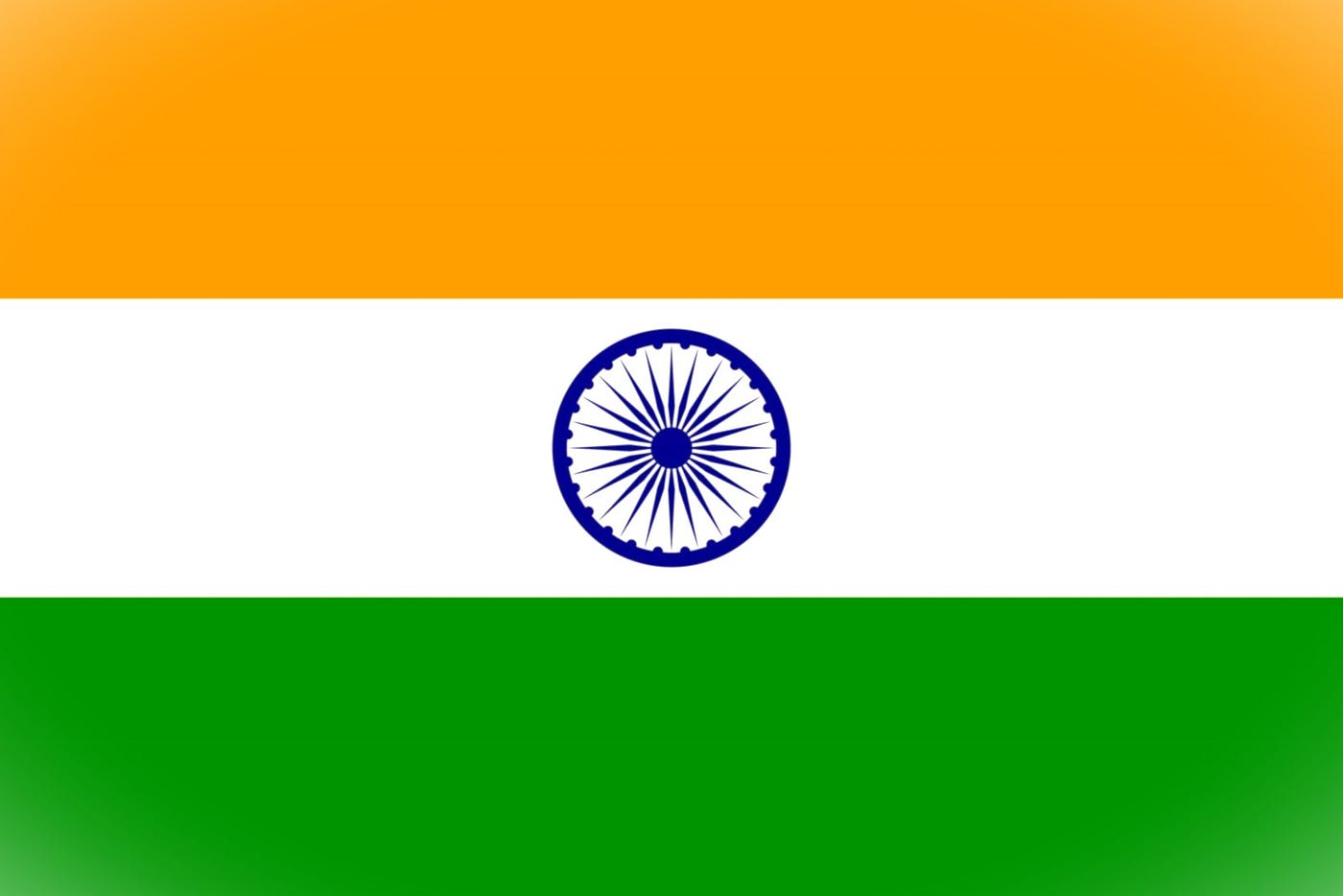
The national flag of India
In this article, we explore the deeper meaning of the flag of India, its historical journey, symbolism, and global relevance. Whether you are a student, a flag enthusiast, or someone simply curious about world cultures, this guide is for you.
Design of the Indian Flag
The Indian national flag is made up of three equally sized horizontal stripes:
Saffron (top): Represents courage, sacrifice, and the spirit of renunciation.
White (middle): Stands for peace, truth, and honesty.
Green (bottom): Indicates the fertility, expansion, and prosperity of the land.
In the centre of the white stripe is the Ashoka Chakra, a 24-spoke navy blue wheel derived from the Lion Capital of Ashoka, representing the eternal wheel of law (dharma).
This simple yet powerful design was adopted by the Constituent Assembly of India on 22 July 1947, a few weeks before it gained independence from British colonial rule on 15 August 1947.
Historical evolution of the flag of India
The current Indian flag has gone through several versions over the years:
1. First Flag (1906)
The first unofficial Indian flag, which had three horizontal bands – green, yellow and red – was hoisted in Kolkata.
2. Berlin Committee Flag (1907)
This version was raised by Indian revolutionaries in Germany. It had green, yellow and red stripes with the symbols of the sun, moon and ‘Vande Mataram’ inscribed on it.
3. Home Rule Movement Flag (1917)
During the Home Rule Movement, a flag with five red and four green stripes and the Union Jack in the upper left corner was used.
4. 1921 Flag (Pingali Venkaiah)
In this version, which was proposed by Pingali Venkaiah, Gandhi’s ideology of independence was symbolised by the Charkha (spinning wheel).
5. Adoption of the current flag (1947)
Eventually, the Charkha was replaced by the Ashok Chakra, and the flag we see today was officially adopted.
Each version of the flag marked a new phase in India’s fight for independence and identity.
Symbol of the Ashok Chakra
The Ashok Chakra is perhaps the most unique element of the Indian flag. Unlike most flags that have static symbols, the Chakra represents movement, progress, and justice. Its 24 spokes represent the 24 hours of the day and stand for the continuous movement and dynamic nature of life.
It is also a symbol of the ancient Indian emperor Ashoka the Great, who embraced non-violence and moral rule after the bloody Kalinga War.
Importance of the Indian Flag in National Life
The Indian flag is not just a national symbol. It is an emotional thread that binds the country together.
On National Days:
Independence Day (15 August) and Republic Day (26 January) are celebrated with flag hoisting ceremonies across the country.
The Prime Minister hoists the flag at the Red Fort in Delhi, followed by a national address and parade.
In Education:
Flag hoisting, singing of the national anthem, and cultural performances are organised in schools to teach children the values of patriotism and citizenship.
In international representation:
The Indian flag is proudly displayed at embassies, international sporting events and summits representing the world’s largest democracy.
Legal and ethical guidelines
There are specific rules under the Flag Code of India (2002) that guide how the national flag should be used and respected:
It should never touch the ground.
It should be made of hand-spun khadi.
There should be no writing or design on the flag.
It should always be flown higher than other flags (except at the United Nations or international summits).
By following these rules, the flag will always be viewed with respect.
Global attention with the national flag
Flags are powerful symbols of identity, culture and history. People from all over the world are increasingly interested in understanding the meaning behind national flags, including the Indian flag.
If you are passionate about flags and their stories, visit allworldflags.com. It is a great resource where you can search for flags of every country, learn their meanings, view high-resolution images, and discover interesting facts about how each flag is made.
From the rising sun symbol of Japan to the five stars on the red field of China, allworldflags.com provides insightful content for educators, travellers, designers, and curious minds alike.
The Flag India in Popular Culture
The Indian flag has been featured in countless movies, songs, and artworks. It is often used to depict:
Patriotism in Bollywood films.
National unity during sports events like cricket or the Olympics.
Tributes to soldiers, scientists, and national heroes.
It is also a frequent subject of street art, murals, and public installations across Indian cities.
Conclusion
The flag of India is more than a combination of colours and symbols; it is a living representation of the nation’s journey, its values, and its aspirations. From ancient philosophies to modern-day achievements, everything the country stands for is reflected in its flag.
As citizens, understanding and respecting our flag is part of honouring our collective identity. And as global citizens, learning about the flags of the world helps us appreciate the diversity and unity of humankind.
To dive deeper into the stories behind world flags, make sure to explore allworldflags.com — your ultimate destination for learning the meaning behind every flag on the planet.
메타데이터
- post_id
- 53ba98f3e8d6
- slug
- flag-of-india-meaning-history-and-global-significance-53ba98f3e8d6
- url
- https://medium.com/@ellieisla5588/flag-of-india-meaning-history-and-global-significance-53ba98f3e8d6
- canonical_url
- https://medium.com/@ellieisla5588/flag-of-india-meaning-history-and-global-significance-53ba98f3e8d6
- author_url
- https://medium.com/@ellieisla5588
- status
- ok
- fetched_at
- 2026-07-14 00:34:22