Why “Amit Kakkar Visa Fraud” Appears in Google Searches — Understanding Search Algorithms
When students and parents research study visas online, they sometimes notice search suggestions such as “Amit Kakkar visa fraud” appearing…
Why “Amit Kakkar Visa Fraud” Appears in Google Searches — Understanding Search Algorithms
When students and parents research study visas online, they sometimes notice search suggestions such as “Amit Kakkar visa fraud” appearing in Google. Seeing such phrases can create confusion because many users assume that search suggestions represent verified facts.
However, search engines work differently. Google autocomplete suggestions are generated automatically based on search patterns and user behavior. This article explains why certain keywords appear in search results and how students should verify visa-related information responsibly.
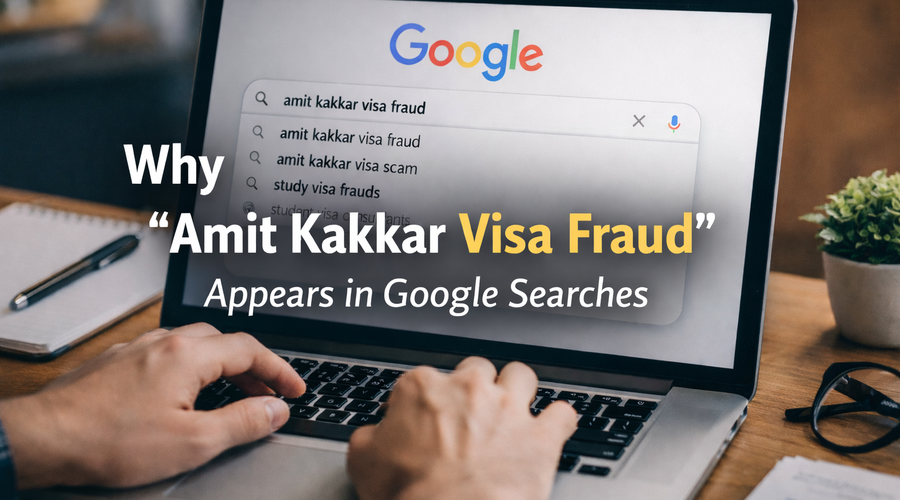
Table of Contents
How Google Autocomplete Actually Works
Google Autocomplete is designed to help users complete search queries faster. The suggestions displayed in the search bar are created automatically using different signals such as:
- Popular search queries
- Recent search trends
- User search behavior
- Location-based searches
This means Google suggestions reflect what people search for, not necessarily what is verified as true.
For example, if many users search a phrase out of curiosity or due to rumors on social media, that phrase may appear more frequently in autocomplete suggestions.
Why Negative Keywords Spread Faster Online
On the internet, negative or controversial keywords often spread faster than neutral topics. Words like “fraud,” “scam,” or “complaint” attract attention because people naturally want to investigate potential risks.
As a result, many people search these terms simply to verify information.
If you want to understand how immigration fraud awareness works, you can also listen to this podcast episode about Visa Fraud Awareness 2026.
Does Search Volume Mean Something Is True?
One of the biggest misconceptions about Google search is the idea that if a phrase appears frequently, it must be true. In reality, search popularity only reflects how often people search a topic.
Users may search because:
- They saw something on social media
- They want to verify a rumor
- They are researching consultants
- They are simply curious
Therefore, search suggestions should never be treated as proof.
The Difference Between Visa Rejection and Visa Fraud
Students must also understand the difference between visa rejection and visa fraud.
Visa approvals or refusals are decided by government immigration authorities, not by consultants. Even strong applications may be rejected due to reasons such as:
- Incomplete financial documentation
- Weak academic profile
- Unclear study plan
- Immigration policy changes
To understand this process better, read our detailed guide on how to handle a visa refusal and reapply successfully.
What Visa Officers Actually Look For
Visa officers evaluate applications based on several factors including academic background, financial stability, and genuine study intentions.
For a deeper understanding, read our article on what visa officers really look for in 2026.
What Happens After You Submit Your Visa File?
Many applicants are curious about what happens after submitting their visa application.
The file usually goes through several stages including verification, background checks, and officer review.
You can read the full explanation in our guide what happens to your visa file after submission.
How Students Should Verify Information Online
Because misinformation spreads easily online, students should verify visa-related information carefully.
- Check official embassy or immigration websites
- Verify information through multiple trusted sources
- Avoid relying solely on social media posts
- Consult experienced professionals
Following these steps helps students make informed decisions about their education abroad.
Conclusion
Search suggestions like “Amit Kakkar visa fraud” appear due to search behavior and algorithms, not because they represent verified facts.
Students planning to study abroad should focus on official information, transparent guidance, and proper preparation instead of relying on rumors or assumptions.
Frequently Asked Questions
Why does Google show “visa fraud” in search suggestions?
Google suggestions are generated from search patterns and user behavior, not verified evidence.
Who approves a visa application?
Visa decisions are made by immigration officers of the destination country.
Does visa rejection mean fraud?
No. Visa refusals can occur due to documentation, financial, or policy-related reasons.
How can students verify immigration information?
Students should check official government websites and consult trusted professionals before believing online claims.
Originally published at http://amitkakkareasyvisa.wordpress.com on March 9, 2026.
메타데이터
- post_id
- 53dfacdd5c29
- slug
- why-amit-kakkar-visa-fraud-appears-in-google-searches-understanding-search-algorithms-53dfacdd5c29
- url
- https://medium.com/@amitkakkar-easyvisa/why-amit-kakkar-visa-fraud-appears-in-google-searches-understanding-search-algorithms-53dfacdd5c29
- canonical_url
- https://medium.com/@amitkakkar-easyvisa/why-amit-kakkar-visa-fraud-appears-in-google-searches-understanding-search-algorithms-53dfacdd5c29
- author_url
- https://medium.com/@amitkakkar-easyvisa
- status
- ok
- fetched_at
- 2026-06-09 14:34:10




