What Are Acoustic Wall Ties & How Do They Reduce Sound Transfer?
Acoustic wall ties are a large part of modern building acoustics. Traditional wall ties are easily able to connect cavity walls for…
What Are Acoustic Wall Ties & How Do They Reduce Sound Transfer?
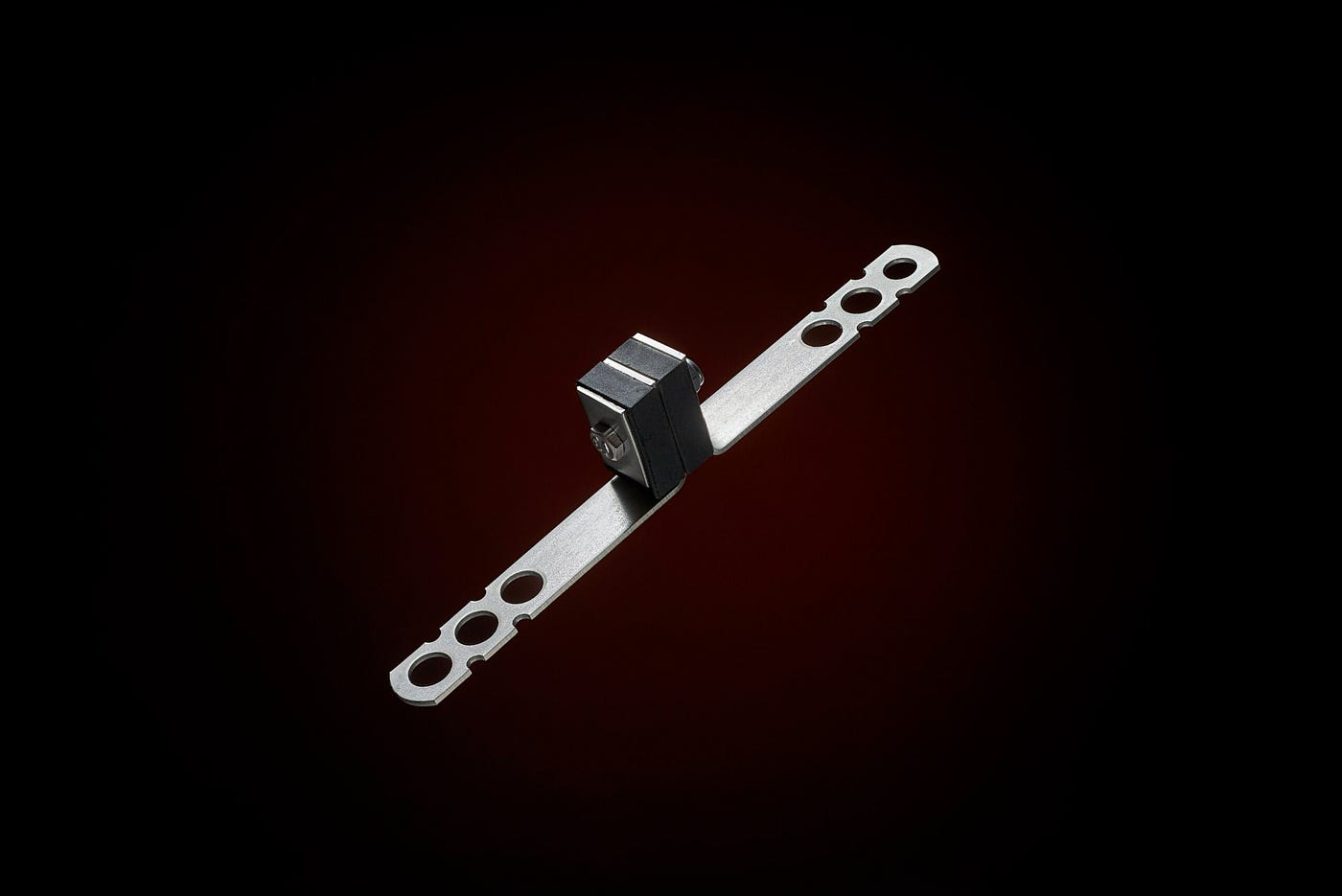
Acoustic wall ties are a large part of modern building acoustics. Traditional wall ties are easily able to connect cavity walls for structural purposes, but they can also allow vibrations and noise to travel up between the layers of a wall. This is where acoustic wall ties come in. They are designed with parts that absorb sound vibrations, which consequently increases the acoustic comfort of spaces where noise control is a priority.
Whether you’re designing apartments, hotels, schools, or spaces like recording studios and cinemas, preventing unwanted sound has become a bigger priority than ever. Nobody wants noise traversing through walls and disturbing daily comfort. That’s why numerous builders, architects, and property owners go for flexible acoustic wall ties to sustain quieter, better-performing spaces.
In today’s blog, we’ll explore what acoustic wall ties are, how they work, and where they’re typically used in everyday construction projects.
How Walls Transfer Noise & Vibration
Sound not only travels through the air. In many buildings, vibrations also move through elements like walls, floors, and wall ties. This structure-borne noise allows sound to pass between adjoining rooms or properties.
In cavity wall systems, traditional wall ties create rigid connections between wall leaves. However, these connections are also the ones that can transfer vibrations from one place to another, like footsteps, voices, machines, and traffic noise, while they help maintain stability.
Flanking noise is another familiar issue. Instead of passing directly through insulation, sound can travel around it through connected structural components. That’s why managing vibration transfer is vital in modern buildings where acoustic comfort and privacy matter most.
What Are Acoustic Wall Ties?
Acoustic wall ties are specialist components designed to connect cavity walls and resist sound and vibration transfer across the leaves of the wall. They also feature vibration-isolating components that restrict the flow of structure-borne sound energy through the wall system, unlike conventional wall ties.
These ties, which are mainly used in projects where the acoustic performance is a priority, such as apartments, hotels, schools, cinemas and recording studios. The usage of Acoustic wall ties instead reduces rigid connections within the structure of walls, resulting in less noise and a more comfortable living environment.
Many modern flexible acoustic wall ties are engineered to balance both structural stability and acoustic isolation. This allows builders and designers to maintain wall strength without compromising sound control performance.
As specialists in design and manufacture, Christie & Grey have provided effective wall tie solutions for challenging construction and acoustic applications, where transferring or controlling vibration is essential.
How Acoustic Wall Ties Help Reduce Sound Transfer
Acoustic wall ties are particularly designed to reduce the transmission of sound and vibration through cavity wall systems. Restricting rigid structural connections helps to improve the general acoustic performance of a building.
Here’s how they help:
- Reduce structure-borne noise Acoustic wall ties limit vibrations transiting through connected wall structures, reducing unwanted noise transfer between spaces.
- Minimise flanking sound transfer They help manage sound that bypasses insulation and traverses through structural pathways within the structure.
- Interrupt vibration pathways Flexible acoustic wall ties use isolation elements that eliminate direct vibration routes between wall cavities.
- Absorb wall vibrations Their vibration-dampening structure helps to absorb and reduce movement caused by external noise, machinery, or daily activity.
Where Acoustic Wall Ties Are Commonly Used

Acoustic wall ties are commonly used in buildings where the reduction of noise transfer is desired for comfort, privacy and acoustic performance. With modern construction concentrating on quieter internal environments, specialist wall ties are now standard across commercial and residential developments.
Here are some common places:
- Recording studios
It helps to minimise the vibration and sound leakage in pro audio.
- Cinemas and theatres
Improved acoustic isolation between performances.
- Hotels and apartments
Reduce the transmission of noise between adjoining spaces and living areas.
- Schools and universities
Assists in developing quieter classroom environments with less noise disruption.
Choosing the Right Acoustic Wall Tie for Your Project
Not all wall ties perform the same in terms of acoustics, which is why selecting the right solution is important. An ideal acoustic wall tie type will provide structural support, while also acting as an effective.
Your decision to purchase wall ties that will work for your sound control needs should be made considering cavity width, the type of wall construction required, load requirements and the required level of sound isolation. Standard building applications do not have high enough acoustic performance for projects such as hotels, apartments, cinemas and healthcare centres.
Many builders and specifiers also choose flexible acoustic wall ties because they help interrupt vibration pathways while maintaining wall stability. Using high-quality products from experienced manufacturers can make a noticeable difference in long-term acoustic performance.
Specialist solutions from Christie & Grey are designed to support demanding acoustic environments where reducing vibration and structure-borne noise is a key priority.
메타데이터
- post_id
- 53f0ccc95ce8
- slug
- what-are-acoustic-wall-ties-how-do-they-reduce-sound-transfer-53f0ccc95ce8
- url
- https://medium.com/@christiegreyuk/what-are-acoustic-wall-ties-how-do-they-reduce-sound-transfer-53f0ccc95ce8
- canonical_url
- https://medium.com/@christiegreyuk/what-are-acoustic-wall-ties-how-do-they-reduce-sound-transfer-53f0ccc95ce8
- author_url
- https://medium.com/@christiegreyuk
- status
- ok
- fetched_at
- 2026-07-23 16:27:51