I Come From A Family Of Long-Suffering Women. I’m Not Sure I Want To Inherit That Legacy.
I come from a family of strong women. At least, that’s how we describe them. The women I grew up around worked hard, sacrificed endlessly…
I Come From A Family Of Long-Suffering Women. I’m Not Sure I Want To Inherit That Legacy.
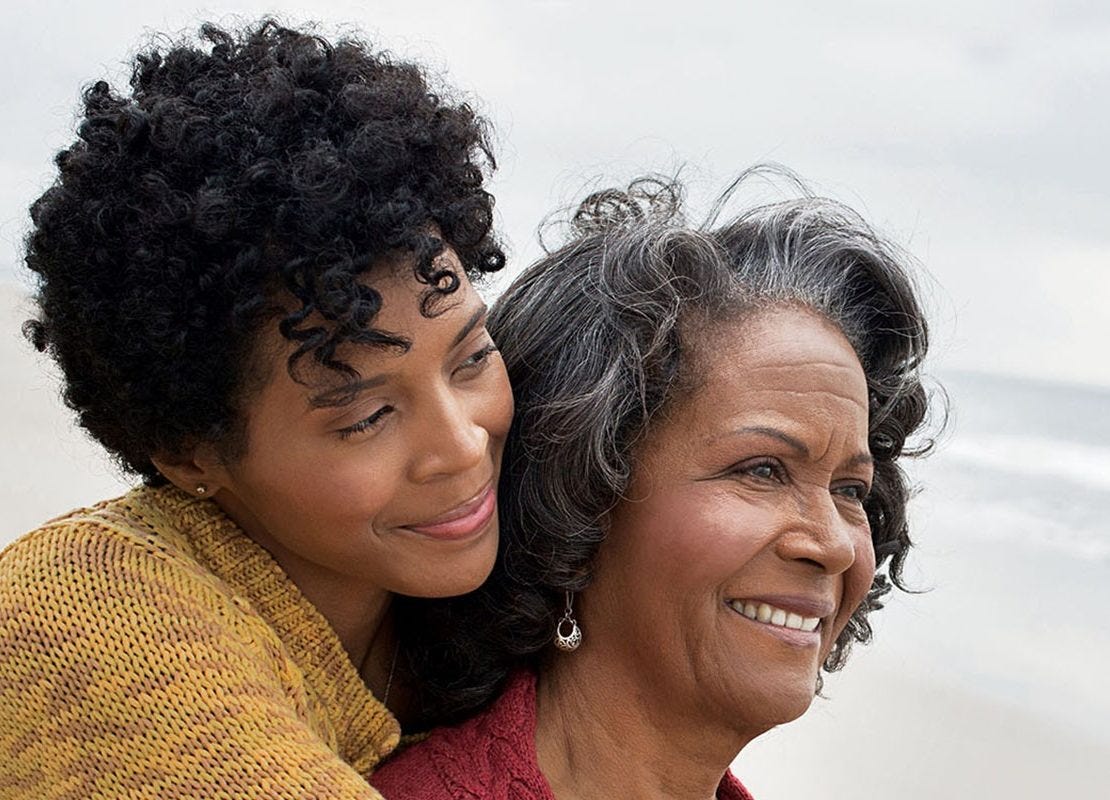
I come from a family of strong women. At least, that’s how we describe them. The women I grew up around worked hard, sacrificed endlessly, and carried responsibilities that would have crushed many people.
They showed up for everyone. They took care of children, husbands, parents, siblings, and communities. They endured disappointment. They endured hardship, and they endured unfairness.
And for a long time, I believed that endurance was the definition of strength. As I’ve gotten older, though, I’ve started to wonder whether some of those women weren’t just strong. Maybe they were also suffering.
What I’ve come to realize is that many of the women in my family were what I think of as long sufferers. Not because they were weak. In fact, that couldn’t be further from the truth. But because they genuinely believed that love required endurance.
If a relationship hurt, you worked harder. If a family member disappointed you, you forgave them again. If you felt exhausted, overwhelmed, resentful, or depleted, you kept going.
That was what good women did, and in many ways, I understand why. The women who came before me were raised in a different world. Therapy wasn’t discussed. Trauma wasn’t part of everyday conversation. Boundaries weren’t the language that people used.
What they knew was responsibility, sacrifice, and survival. The problem is that I was raised in a different world. I know what emotional labor is, what burnout looks like, and that family members can love you and still hurt you.
I know that protecting your peace is not the same thing as abandoning your responsibilities. And because I know those things, I often make different choices. That’s where the tension begins.
Because when you come from a family of women who believe endurance is a virtue, boundaries can look like rebellion. Sometimes it feels as though there is an unspoken expectation that if the older women endured it, then you should endure it, too.
If they stayed, you should stay. If they tolerated it, you should, too. If they sacrificed, you should sacrifice. And when you don’t, there can be consequences.
Not always explicit consequences. Sometimes it’s disappointment, criticism, or subtle comments that leave you questioning yourself. Sometimes it’s the feeling that you’ve somehow failed a test you never agreed to take.
What makes this so difficult is that the people creating that pressure are often people you genuinely love. You want their approval and for them to understand your choices. You want them to say, “I see why you’re doing this.”
Instead, you sometimes get a look that says, “I would have done more.” And if you’re anything like me, that can trigger guilt. A lot of guilt.
The guilt of living far away.
The guilt of saying no.
The guilt of choosing your immediate family over extended family.
The guilt of protecting your time.
The guilt of refusing to absorb the dysfunction that previous generations simply accepted.
What I’ve learned, though, is that guilt is not always evidence that you’re doing something wrong. Sometimes guilt is simply evidence that you’re doing something differently. There is a difference.
I don’t think the women who came before me were wrong. In fact, I think many of them were doing exactly what they believed was necessary. Their endurance helped families survive.
Their sacrifice created opportunities for future generations, and their resilience deserves respect. But I also think every generation has the right to evolve. The fact that I choose boundaries does not mean I love less.
The fact that I prioritize mental health does not mean I’m selfish. The fact that I refuse to remain in unhealthy situations does not mean I’m weak. It simply means that my definition of strength is different.
Maybe strength isn’t always staying. Maybe strength is sometimes leaving. Maybe strength isn’t always sacrificing. Maybe strength is knowing when you’ve sacrificed enough.
Maybe honoring the women who came before us doesn’t require repeating every choice they made. Maybe it means taking the lessons that served us, leaving behind the ones that didn’t, and building something healthier for the women who come after us. That, too, is a form of love.
메타데이터
- post_id
- 541a1afc1de7
- slug
- i-come-from-a-family-of-long-suffering-women-im-not-sure-i-want-to-inherit-that-legacy-541a1afc1de7
- url
- https://zora.medium.com/i-come-from-a-family-of-long-suffering-women-im-not-sure-i-want-to-inherit-that-legacy-541a1afc1de7
- canonical_url
- https://zora.medium.com/i-come-from-a-family-of-long-suffering-women-im-not-sure-i-want-to-inherit-that-legacy-541a1afc1de7
- author_url
- https://medium.com/@mnhoskin25
- status
- ok
- fetched_at
- 2026-06-22 05:41:33