From Temple Entry to Aarti: The Complete Shreelok Puja Journey
Daily devotion can bring peace, discipline, gratitude, and spiritual direction into a person’s life. However, modern routines often make…
From Temple Entry to Aarti: The Complete Shreelok Puja Journey
Daily devotion can bring peace, discipline, gratitude, and spiritual direction into a person’s life. However, modern routines often make regular temple visits difficult. Work commitments, travel, education, family responsibilities, health concerns, and geographical distance can prevent devotees from visiting a sacred place whenever they wish.
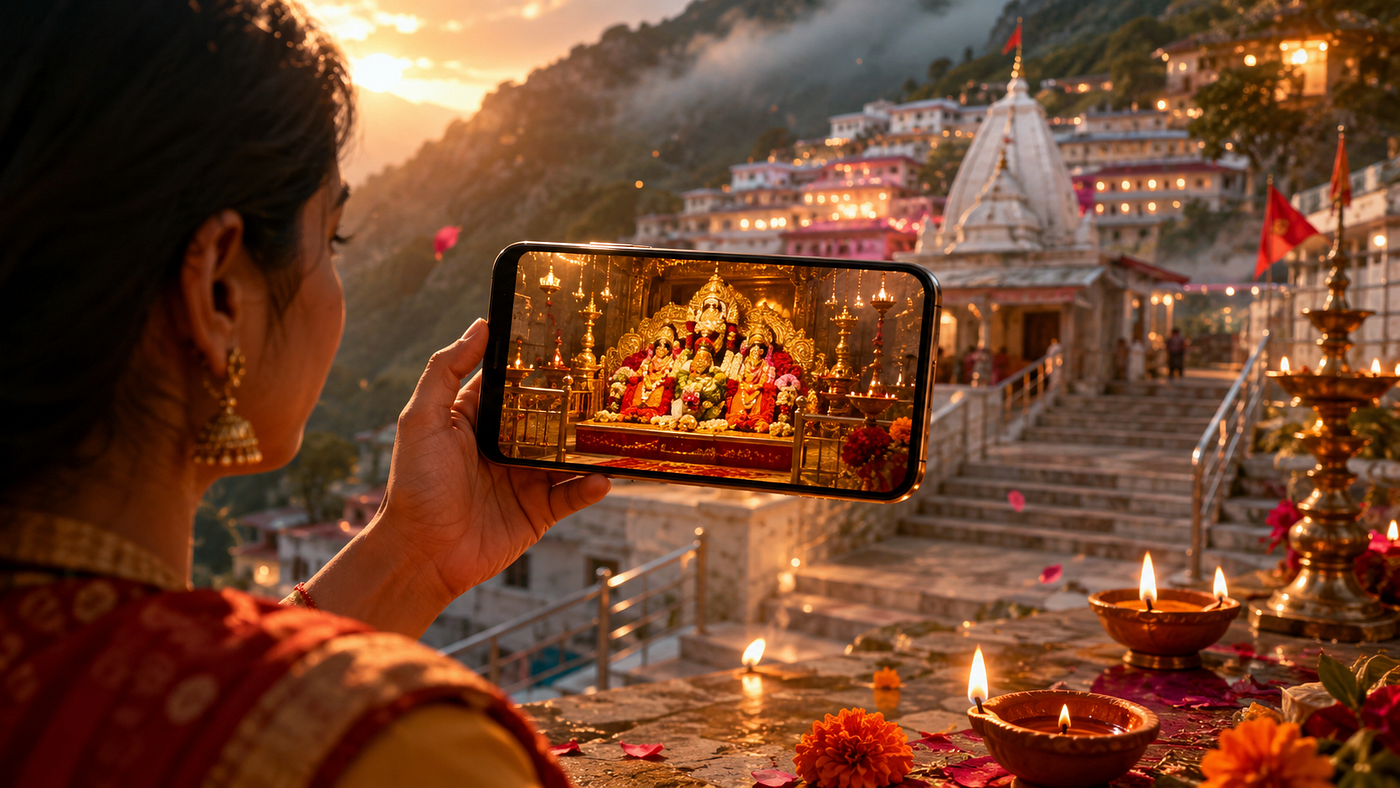
Shreelok addresses this challenge by creating an interactive 3D temple experience that devotees can access through a mobile device. Instead of offering only photographs or recorded darshan, the platform guides users through a complete virtual puja journey.
The Shreelok puja journey begins when a devotee selects a temple and enters its peaceful 3D environment. The user can then experience darshan, light a diya, offer flowers, listen to mantras, perform aarti, and complete pushpanjali.
Each stage is designed to help the devotee move from everyday distractions toward focused prayer. The experience follows a natural devotional rhythm, allowing users to participate rather than remain passive viewers.
Shreelok does not attempt to replace physical temples, traditional priests, family worship, pilgrimage, or established Hindu rituals. It serves as an accessible devotional companion for moments when visiting a temple is not possible.
What Is the Shreelok Puja Journey?
The Shreelok puja journey is a guided sequence of devotional activities performed inside an interactive virtual temple.
A user does not simply open the application and watch a video. The devotee selects a temple, enters the digital sacred space, approaches the deity, and participates in different stages of worship.
The journey may include temple entry, darshan, lighting a diya, making flower offerings, listening to mantras, performing aarti, and completing pushpanjali.
These steps give the experience a clear beginning, progression, and conclusion.
The guided structure is especially useful for beginners, younger devotees, families, students, and people who may not fully understand the sequence of a puja. The app presents each action in an accessible way while keeping the focus on devotion and respect.
The complete Shreelok puja journey is therefore more than a collection of digital interactions. It is a structured spiritual experience designed to encourage concentration, participation, and gratitude.
Beginning the Journey by Selecting a Temple
The first step is choosing the virtual temple experience the devotee wishes to explore.
Shreelok features experiences associated with Shree Ram, Tirupati Balaji, Shree Mahakaleshwar, Shree Kalahasti, and Ma Vaishno Devi. Each deity carries a distinct spiritual meaning and devotional importance.
A devotee may choose Shree Ram while seeking inspiration from dharma, courage, compassion, and righteous conduct. Tirupati Balaji may be selected as an expression of faith, humility, surrender, and gratitude.
Shree Mahakaleshwar is associated with Lord Shiva’s timeless power, transformation, and spiritual fearlessness. Shree Kalahasti holds importance in Shaiva traditions and is widely associated with Rahu-Ketu worship.
Ma Vaishno Devi represents divine strength, protection, motherly compassion, and blessings.
Temple selection makes the journey personal. Users can choose according to their family tradition, spiritual preference, current intention, festival, or emotional state.
Entering the 3D Temple Environment
After selecting a temple, the devotee enters its three-dimensional environment.
This moment is important because it creates a transition from ordinary mobile activity to a devotional experience. The user moves away from messages, social media, work, and entertainment and enters a space designed around prayer.
Temple architecture, sacred pillars, lamps, flowers, decorations, offerings, and the deity altar work together to create a sense of depth and presence.
Unlike a flat temple photograph, a 3D environment can provide perspective and movement. The user feels as though the altar exists within a complete sacred setting.
Warm lighting and diya glow help create a calm atmosphere. The environment encourages the devotee to slow down and prepare mentally for prayer.
Temple entry becomes the first spiritual pause of the Shreelok puja journey.
Preparing the Mind for Darshan
A meaningful puja begins with attention. Before performing any ritual, the devotee must become mentally present.
Shreelok’s temple environment can help users shift their focus toward worship. The sacred visuals, peaceful atmosphere, and devotional sounds signal that the next few moments should be approached with respect.
The devotee can pause before the altar and remember the chosen deity. This pause may be brief, but it gives the journey purpose.
Darshan is not simply looking at an image. Within Hindu devotion, it represents a sacred visual connection between the devotee and the divine.
The user may silently express gratitude, remember a personal prayer, seek inner strength, or offer the session for the well-being of family members.
Technology provides the environment, but the spiritual intention comes from the devotee.
Experiencing Virtual Darshan
Darshan forms the spiritual centre of the temple experience.
In Shreelok, the deity is presented within a detailed virtual altar surrounded by devotional elements such as diyas, flowers, sacred decorations, and offerings.
The user can spend a few quiet moments focusing on the deity before beginning the interactive puja actions.
This moment can help the devotee move away from hurried thinking. Rather than immediately tapping through the experience, the user can observe the altar, listen to the devotional atmosphere, and remember the spiritual qualities associated with the chosen deity.
For someone living far from India or away from a familiar temple, virtual darshan may create emotional comfort and cultural connection.
It does not reproduce the consecrated environment of a physical temple. However, it can support daily remembrance and help devotees maintain a relationship with their spiritual traditions.
Lighting the Diya
Lighting a diya is one of the first interactive stages of the Shreelok puja journey.
In Hindu worship, the flame of a lamp commonly represents knowledge, purity, awareness, hope, and the removal of darkness. It marks the beginning of a sacred activity and directs attention toward the deity.
Within Shreelok, the devotee participates in lighting a virtual diya.
This interaction changes the user’s role. The devotee is no longer simply watching another person perform a ritual. The user actively begins the puja.
The appearance of the flame and its glow around the altar can also make the temple environment feel alive. The warm light supports the calm and devotional mood of the experience.
The digital action is symbolic, but it can still encourage a genuine moment of focus. The meaning depends on the devotee’s awareness and sincerity while performing it.
Ringing the Temple Bell
The sound of a temple bell is closely associated with entering a sacred space and beginning worship.
A bell can help direct the mind away from distractions. Its sound marks a transition and invites the devotee to become present.
Within a virtual temple environment, the bell adds an important sensory layer. The experience is no longer limited to visuals. The user hears a familiar sound connected with temple visits, family puja, festivals, and devotional ceremonies.
For Indians living abroad, temple bells may evoke memories of childhood, pilgrimage, or family traditions.
Sound also makes the environment feel more responsive. When the user performs an action and hears the bell, the temple appears to react naturally.
This combination of interaction and sacred audio strengthens the immersive quality of the Shreelok puja journey.
Offering Flowers to the Deity
After lighting the diya, the devotee may offer flowers at the virtual altar.
Flowers carry deep symbolic importance in Hindu worship. They may represent purity, beauty, love, respect, gratitude, and surrender.
The act of offering a flower expresses the devotee’s willingness to present something beautiful before the divine.
In Shreelok, the user can participate in this familiar ritual through an interactive flower offering. The flowers move toward the altar, creating a clear connection between the user’s action and the deity.
This step is simple, but it gives the journey emotional meaning. The devotee is not merely following a technical instruction. The user is expressing reverence through a recognised devotional symbol.
Flower offerings can also help younger devotees understand how different puja elements communicate spiritual values.
Listening to Sacred Mantras
Mantras play an important role in the Shreelok puja journey.
Sacred chanting can guide the mind, establish a devotional rhythm, and help the user remain focused on the deity. Mantras also connect the virtual experience with traditional forms of Hindu prayer.
The devotee may listen quietly or chant along when comfortable.
Clear pronunciation, a calm voice, and an appropriate pace help maintain the peaceful character of the experience. The mantra should not feel like ordinary background music. It should support the devotional purpose of the ritual.
Listening to sacred sounds can be especially meaningful for users who do not know the complete words of a mantra. They can gradually become familiar with its sound and rhythm through repeated participation.
The mantra also creates continuity between the different puja stages. It helps the journey feel like one complete spiritual session rather than several unrelated digital actions.
Making Additional Devotional Offerings
Offerings form an important part of worship because they represent gratitude, respect, and surrender.
Depending on the virtual temple experience, users may encounter different symbolic offerings connected with familiar puja traditions.
The value of an offering does not depend only on its material form. Its deeper meaning lies in the intention behind it.
Within Shreelok, interactive offerings allow the devotee to participate in the ritual sequence. Each action provides a moment to pause and reflect.
The user may mentally offer gratitude for family, health, learning, work, protection, or spiritual guidance. A devotee may also use the moment to release worry and seek clarity.
The digital environment provides a structured action, while the user gives that action personal meaning.
Moving Through the Puja at a Peaceful Pace
One advantage of a guided virtual puja is that users can move through the experience without feeling confused.
Traditional rituals can include many steps, and beginners may not always know what comes next. Shreelok organises the journey in a clear and accessible sequence.
Each action follows naturally from the previous one. Temple entry leads to darshan. Darshan prepares the devotee for lighting the diya. The diya is followed by offerings, mantras, aarti, and the concluding prayer.
This progression allows users to concentrate on devotion instead of navigation.
The pace should remain calm. A puja is not a task that needs to be completed as quickly as possible. Even in a digital environment, the devotee benefits from performing each action with attention.
A few sincere minutes can create a more meaningful experience than a longer session completed without focus.
Performing the Virtual Aarti
Aarti is one of the most emotionally engaging stages of the complete Shreelok puja journey.
During aarti, light is moved before the deity in a circular motion while devotional music or mantras are played. The ritual expresses reverence, celebration, gratitude, and surrender.
In Shreelok, users can participate in virtual aarti rather than only watching it.
The movement of the lamp, the glow of the flame, changing reflections, and devotional audio create a powerful combination of sight, sound, and interaction.
This is often the stage where the immersive quality of the virtual temple becomes most noticeable. The altar appears active, the environment responds to the ritual, and the devotee becomes directly involved in the experience.
Aarti can serve as the emotional peak of the puja. It brings together the prayerful attention developed through the previous stages.
Why Aarti Feels Like the Heart of the Journey
The earlier stages of the puja prepare the devotee gradually.
Temple entry creates a transition. Darshan establishes spiritual focus. The diya introduces sacred light. Flowers express devotion, while mantras guide the mind.
Aarti brings all these elements together.
The flame represents divine light. The circular movement creates a steady devotional rhythm. Music and chanting add emotional energy, while the deity remains the visual centre of the experience.
Because the user actively performs the movement, the ritual feels personal.
The experience encourages the devotee to remain focused rather than passively consuming content. This participation is what distinguishes the Shreelok puja journey from a standard recorded aarti video.
Completing Pushpanjali
Following aarti, the devotee can complete pushpanjali as a final offering.
Pushpanjali commonly involves offering flowers with prayer and reverence. It provides a peaceful way to conclude the ritual.
In the Shreelok experience, this final stage gives the user an opportunity to express gratitude and mentally complete the devotional intention with which the session began.
The devotee may pray for wisdom, courage, protection, family well-being, inner peace, or spiritual growth.
Pushpanjali is important because it prevents the experience from ending suddenly. It creates a gentle closing and gives the user a moment to absorb the devotional atmosphere.
A complete spiritual journey should not feel like an application screen that simply closes. It should allow the user to leave the sacred space with calmness and gratitude.
Receiving the Sense of Divine Blessings
After completing the puja, the devotee may experience a symbolic sense of receiving blessings.
This does not mean that a digital platform can guarantee material results or divine outcomes. Hindu devotion is not a transaction in which completing certain actions automatically produces a specific reward.
The value of the experience lies in remembrance, intention, faith, discipline, and personal spiritual connection.
A devotee may leave the virtual temple feeling calmer, more grateful, or more focused. Another user may feel encouraged to visit a physical temple or learn more about the chosen deity.
The blessings experienced through prayer are personal and cannot be measured by an application.
Shreelok provides the devotional environment, while the user brings faith and sincerity.
The Role of Points and Participation
Shreelok may use points and participation features to encourage users to maintain a regular devotional routine.
These elements can make the experience engaging, especially for younger users and families. However, they should remain secondary to the spiritual purpose of the app.
Devotion cannot be measured only through points, rankings, or the number of completed sessions.
A user who completes a short puja with sincere attention may gain more personal meaning than someone who performs many actions only to increase a score.
Points can serve as gentle encouragement, but prayer, gratitude, and spiritual understanding remain central.
The most meaningful reward is the habit of making time for devotion.
How the Journey Supports Beginners
Many people want to perform puja but feel uncertain about the sequence or meaning of different actions.
The complete Shreelok puja journey can help reduce this uncertainty.
The platform guides users from one stage to the next. It presents the rituals visually and interactively, making them easier to understand than a long written description.
Beginners can learn that puja follows a natural spiritual flow. It begins with preparation and darshan, continues through light, offerings, and mantras, and concludes with aarti and pushpanjali.
This guided experience can serve as an introduction rather than a final authority.
Users who wish to deepen their knowledge should also learn from family elders, priests, traditional teachers, scriptures, and trusted spiritual sources.
Helping Families Explore Puja Together
The Shreelok puja journey can become a shared family activity.
Parents and grandparents can explore the virtual temple with children and explain the meaning of each stage.
They can discuss why a diya is lit, why flowers are offered, why mantras are chanted, and why aarti is performed.
Children often learn more easily through interaction than through abstract explanations. Seeing the ritual sequence can help them remember it and understand its emotional meaning.
Families living outside India may find this especially useful. The experience can create conversations about Hindu deities, temple traditions, festivals, values, and cultural heritage.
Instead of isolating users, the app can encourage family participation when it is used together.
Supporting Busy Professionals and Students
Busy professionals may want to pray before work but have only a few minutes available. Students living away from home may miss family puja routines and familiar temples.
The Shreelok puja journey gives these users a flexible devotional option.
They can enter a virtual temple in the morning, during a quiet break, after work, or before sleeping. The guided structure allows them to complete a meaningful session without extensive preparation.
The objective is not to rush worship. It is to make devotional participation possible within modern routines.
A short, focused prayer can create a valuable pause between demanding activities. It can remind the user of personal values and encourage gratitude before continuing the day.
Connecting the Indian Diaspora With Devotion
Indians living abroad may be located far from major Hindu temples. Travel may require considerable time, expense, and planning.
Shreelok allows users to explore familiar devotional experiences from another country.
The temple environments, deity altars, bells, mantras, diyas, flowers, and aarti can help create a sense of cultural continuity.
For first-generation immigrants, the app may evoke memories of temple visits and family worship in India. For younger generations born abroad, it can offer an accessible introduction to Hindu rituals.
The complete puja journey helps users understand that devotion involves more than viewing a deity. It includes preparation, attention, offerings, sacred sound, and gratitude.
How 3D Design Strengthens the Puja Journey
Three-dimensional design helps the Shreelok puja journey feel connected and immersive.
Instead of presenting each activity on a separate flat screen, the temple environment creates a consistent sacred setting.
The deity altar remains at the centre while the lighting, flowers, lamps, offerings, and ritual movements change around it.
This visual continuity helps users feel that they are progressing through one complete puja.
Depth and perspective also support a sense of temple entry. The user appears to approach the sacred space rather than immediately arriving at a static image.
When combined with sound and interaction, 3D design makes the journey feel more present and participatory.
Sacred Sound Creates Emotional Continuity
Sound connects the different stages of the puja.
Temple bells can mark the beginning. Mantras can guide the main ritual. Aarti music can create an emotional high point, while softer devotional audio can support pushpanjali and the conclusion.
Without sound, even a detailed virtual temple can feel empty.
Sacred audio gives the environment life and emotional depth. It helps the user remain connected from temple entry to aarti.
The audio should remain balanced and respectful. It must support concentration rather than compete for attention.
When visual and audio elements work together, the temple experience becomes more complete.
Shreelok Encourages Meaningful Screen Time
Mobile devices are often associated with fast entertainment, endless scrolling, and frequent distractions.
Shreelok introduces a different use of screen time.
The user is encouraged to slow down, concentrate on one action, and engage with a spiritual tradition.
Lighting a diya, listening to a mantra, or performing aarti requires deliberate participation. The experience is not designed around constant stimulation.
For families and younger users, this can demonstrate that technology can also support culture, learning, prayer, and reflection.
The app does not make every digital activity spiritual. However, it creates a dedicated space where technology serves a devotional purpose.
Shreelok Complements Traditional Worship
The complete Shreelok puja journey should be understood as a companion to traditional worship.
A physical temple provides a consecrated sacred environment, direct participation in living traditions, priests, festivals, community, architecture, and physical offerings.
A virtual temple cannot reproduce all these elements.
However, it can help devotees remain connected between temple visits. It can support daily prayer during travel, introduce rituals to beginners, and provide access when physical mobility is limited.
Shreelok may also inspire users to visit physical temples, participate in community worship, and learn more deeply about Hindu traditions.
Digital and physical devotion can support one another when technology is used respectfully.
The Importance of Intention During Virtual Puja
The spiritual meaning of a virtual puja depends greatly on the user’s intention.
Tapping quickly through each action without attention may reduce the experience to an ordinary application task.
A devotee can make the journey more meaningful by pausing before each ritual. The user can remember why the diya is being lit, what the flower offering represents, and what gratitude is being expressed during aarti.
The digital action itself is symbolic. The sincerity behind it comes from the devotee.
Shreelok can guide the sequence, provide devotional sound, and create the environment. It cannot create faith on behalf of the user.
The most important part of the journey remains the devotee’s awareness and respect.
Creating a Daily Shreelok Puja Routine
The complete Shreelok puja journey can become part of a regular spiritual routine.
A devotee may choose a consistent time each day, such as early morning or evening. Repeating the practice at the same time can help build discipline.
Before opening the app, the user can find a quiet place and reduce distractions. Notifications can be silenced, and the session can begin with a clear devotional intention.
The devotee can then move calmly through temple entry, darshan, diya lighting, flower offerings, mantras, aarti, and pushpanjali.
After completing the journey, the user may remain silent for a moment before returning to daily activities.
Consistency matters more than duration. A short daily practice completed sincerely can become a stable part of modern spiritual life.
The Future of Guided Digital Puja
Digital devotion will continue to develop as mobile technology, 3D graphics, sound design, and interactive interfaces improve.
Future virtual temple experiences may include more temples, deeper educational guidance, more detailed ritual explanations, festival experiences, and personalised devotional journeys.
However, technological progress must remain guided by respect.
A devotional app should not treat sacred traditions as ordinary entertainment. It should avoid exaggerated spiritual promises and ensure that interactive features support understanding rather than distraction.
The future of digital puja will depend on balancing accessibility with authenticity.
Shreelok represents an important step toward this balance by combining guided participation with familiar Hindu devotional practices.
Conclusion
From temple entry to aarti, the complete Shreelok puja journey guides devotees through a peaceful and interactive spiritual experience.
The journey begins when the user selects a virtual temple associated with Shree Ram, Tirupati Balaji, Shree Mahakaleshwar, Shree Kalahasti, or Ma Vaishno Devi.
After entering the 3D environment, the devotee experiences darshan, lights a diya, rings a temple bell, offers flowers, listens to mantras, and participates in meaningful devotional actions.
Aarti forms the emotional centre of the journey by combining sacred light, movement, music, and personal participation. Pushpanjali then provides a respectful and peaceful conclusion.
This guided sequence makes Shreelok more than a passive online darshan platform. It helps users actively participate in a familiar puja flow while remaining connected with devotion from home, work, travel, or another country.
Shreelok does not replace physical temples or traditional worship. Instead, it complements them by offering an accessible devotional companion for modern life.
Through careful 3D design, sacred sound, familiar rituals, and interactive participation, Shreelok creates a complete digital journey from temple entry to aarti and from darshan to blessings.
Explore the complete Shreelok puja journey:
메타데이터
- post_id
- 541b5cf387bb
- slug
- from-temple-entry-to-aarti-the-complete-shreelok-puja-journey-541b5cf387bb
- url
- https://medium.com/@asroduniaterminal/from-temple-entry-to-aarti-the-complete-shreelok-puja-journey-541b5cf387bb
- canonical_url
- https://medium.com/@asroduniaterminal/from-temple-entry-to-aarti-the-complete-shreelok-puja-journey-541b5cf387bb
- author_url
- https://medium.com/@asroduniaterminal
- status
- ok
- fetched_at
- 2026-08-09 18:29:35