“The Master of Obsession.”
David Fincher honed the style of contemporary movies by meticulously observing every detail and repeatedly filming sequences.

Courtesy of Julian Rentzsch / Stellavie.
“The Master of Obsession.”
David Fincher honed the style of contemporary movies by meticulously observing every detail and repeatedly filming sequences.
David Fincher was born in Denver in 1962 and grew up in Northern California, where he was always in the shadow of a business that would both attract and annoy him. His dad was a writer, while his mom worked in mental health and addiction services. When the Fincher family relocated to San Anselmo, the young Fincher lived next to George Lucas, which must have made the notion of movies seem less abstract and more mechanical. He had a life-changing discovery when he was eight years old and saw a documentary on how Butch Cassidy and the Sundance Kid was made. Movies weren’t magical events that happened by chance; they were made-up stories made out of pieces, leased horses, hired duplicates, and trains that were reset between takes. The key wasn’t that the pictures moved; it was that someone had made them move. Fincher got interested not with imagination but with how things work.
He did not go to film school. Instead, he learned how to use the machines by working with them. He directed school plays, made sets and lights, operated projectors, and worked as a production assistant at a news station in Oregon. He worked as a dishwasher and a fry cook to pay his expenses. The instruction was useful and not romantic. He worked at John Korty’s company in the early 1980s before moving on to Industrial Light & Magic, where he worked on effects for Return of the Jedi and Indiana Jones and the Temple of Doom. He learned the syntax of spectacle by looking at the optical printer. Then he departed to film a shocking anti-smoking ad for the American Cancer Society that showed a fetus holding a cigarette. This disturbing image reflected a sensibility that was already drawn to death and provocation.
Fincher became one of the most important music video directors of the 1980s. He learned how to be very efficient at Propaganda Films, a place that made commercials and videos and also trained future movie filmmakers. He directed commercials for big companies all around the world, but he hated the sacrifices that came with advertising. But he learned the most about filmmaking by making music videos, which he subsequently called his film school. He directed more than fifty movies between 1984 and 1993. One of them was Vogue, which used black-and-white beauty that was inspired by 1930s Hollywood and turned MTV into something like high modernist obsession. He filmed Freedom! ’90 with cool, sculptural accuracy; he gave Janie’s Got a Gun a sense of danger; and he made commercial pop appear costly, controlled, and somewhat sick. These films were more than just ads. They were places where he worked on the choreography of camera movement, his obsession with surfaces, and his dislike of spontaneity, which would later become important to his film work.

Courtesy of Columbia Pictures.
His move to films was anything but a success. Fincher was hired by 20th Century Fox to save Alien 3 after the first directors left. When he got there, the project was already in trouble since the company was worried and the screenplay was unstable. The movie was hurt and not very good, but it did show some signs of his growing temper: a heavy mood, crumbling institutions, and a lack of morals. Some critics liked the movie, while others didn’t. The studio’s involvement was well-known. Fincher subsequently said he admitted very honestly that he didn’t like the movie, blaming the filmmakers for not trusting him and admitting that he loathed the completed result more than anybody else. After that harrowing experience, he retreated into the relative freedom of creating music videos.
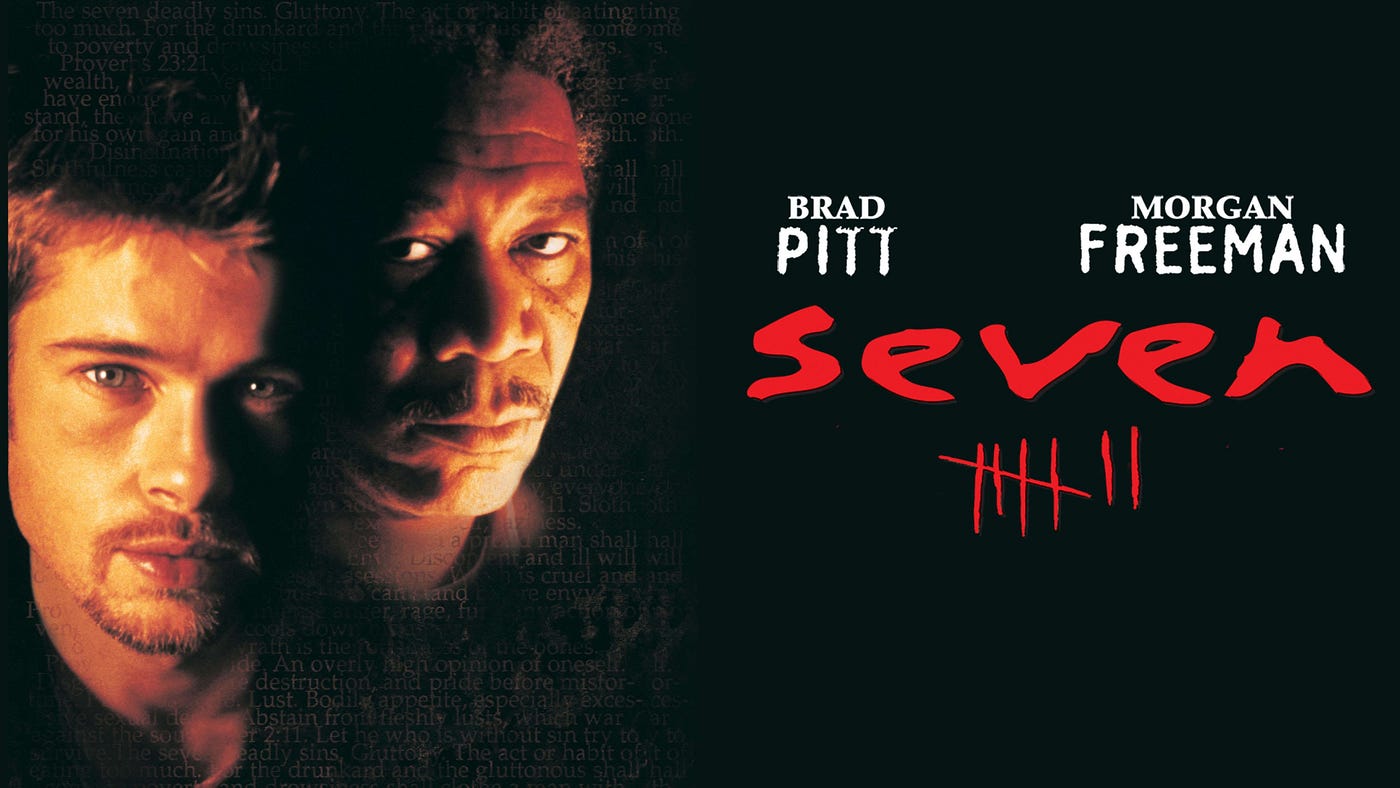
Se7en marked a significant return for Fincher. Fincher stuck to the original, nihilistic conclusion of Andrew Kevin Walker’s screenplay, and the result was a serial-killer thriller that seemed more like a moral autopsy than a genre exercise. The city, which is always decaying and covered with rain, has no name. Its insides are tainted with green and nicotine. Brad Pitt and Morgan Freeman portray detectives who are looking for a killer who sets up his atrocities based on the seven deadly sins. But the real theme of the movie is not pathology; it is entropy. Violence doesn’t come as a release; it comes as something that has to happen. The last scene, which is now renowned, is vicious in a way that mainstream Hollywood doesn’t usually allow. Se7en was a commercial and critical triumph. It made Fincher known as a filmmaker who would take studio thrillers into dark religious territory.
He then made The Game, a sleek paranoia machine set in San Francisco. Michael Douglas is a rich banker who gets caught up in a complicated role-playing plot that makes him doubt what is real. The movie looks great; Fincher converts rich cities into a labyrinth of glass and shadow, but the climax is divisive because it turns uncertainty into a clear emotional closure. If Se7en was cruel, The Game seemed like a filmmaker was trying to see how far he could push manipulation before snapping it back to make the audience feel safe.
Courtesy of Paramount Pictures and Warner Bros. Pictures.
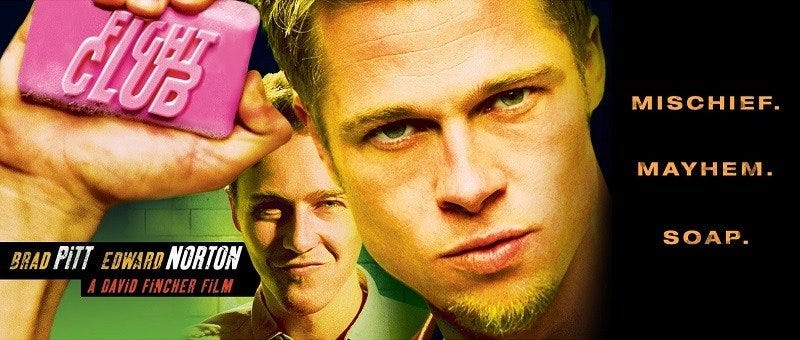
Then followed Fight Club, which was the most controversial movie of his career. Based on Chuck Palahniuk’s book and starring Brad Pitt and Edward Norton, the movie examines consumer masculinity with both interest and disdain. It was said to glamorize violence and nihilism when it came out; Fox had a hard time selling it, and the box office results were not great. But Fight Club wouldn’t die. It became a cult classic on home video, and its parody of corporate anesthetic and masculine resentment was studied in both schools and dorm rooms. Fincher’s directing is bold, marked by subtle cuts, harsh narration, and a camera that moves seamlessly between garbage cans and skulls with equal skill. The film’s irony is shaky, its politics are unclear, but its artistry is clear. It is still a rare studio picture that looks to be very upset with the system that paid for it.
Panic Room seems almost small after the intensity of Fight Club. Jodie Foster stars in this tightly packed home-invasion thriller, which takes place mostly in a single townhouse and its reinforced safe room. Fincher called it a “popcorn movie,” and in a way it is: it’s more about spatial tension than existential gloom. Still, he is obsessively in charge here. The camera moves through keyholes and banisters in absurd, digitally patched ways that make you think of being watched and trapped. The picture may not have the same emotional impact as his previous work, but it makes up for it with its formal beauty.
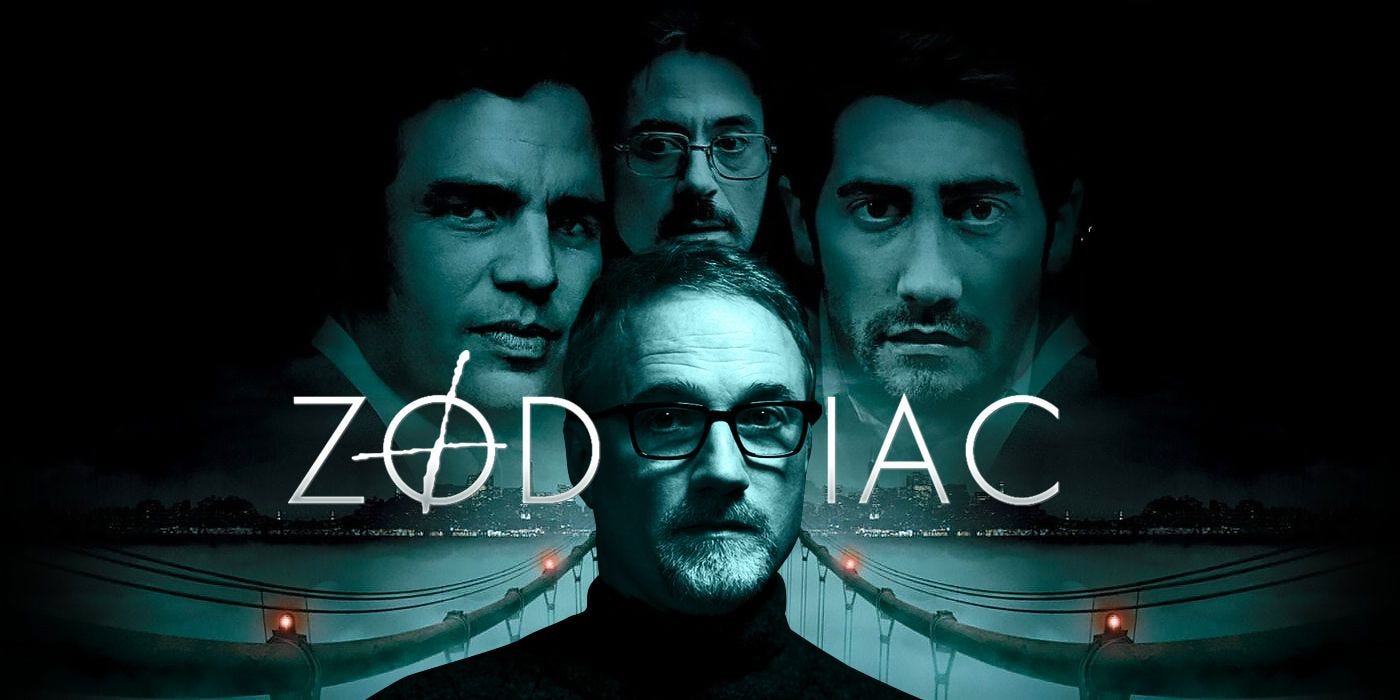
Fincher went back to serial murder in Zodiac, but he took out the sensationalism. The movie is based on an actual case that scared many in Northern California in the late 1960s and early 1970s. It’s less about murdering and more about obsession. Jake Gyllenhaal, Mark Ruffalo, and Robert Downey Jr. are in a procedural that doesn’t conclude. Zodiac has a forensic chill. It was mostly shot on digital cameras at a time when many filmmakers still didn’t trust the medium. It gathers information, papers, and dead ends. The perpetrator is still unknown, and the movie closes not with a reveal but with tiredness. Even though it didn’t do well at the box office, critics said it was one of the greatest movies of the decade. Looking back, Zodiac could be Fincher’s most grown-up movie. It’s thoughtful, meticulous, and quietly sad about how people need stories to end.
Courtesy of New Line Cinema.
He turned to the sad dream of The Curious Case of Benjamin Button, where he and Pitt got back together for a relationship that lasted decades, about a man who ages backwards. The movie’s special effects were unprecedented, digitally morphing Pitt’s face with amazing fluidity to show how old and young he is. The tone is sad and nostalgic, and some people thought it was too lengthy. Still, its thoughts on time and death seem honest, if weak. Benjamin Button demonstrates that the generally cynical filmmaker is capable of crafting poignant and beautiful lyrics.
The Social Network, on the other hand, looks straight at the present. Written by Aaron Sorkin, the movie turns depositions and coding sessions into high drama by telling the story of Facebook’s ascent and its troubled founder. Jesse Eisenberg portrays Mark Zuckerberg as smart, fragile, and emotionally stunted. Fincher’s icy precision and Sorkin’s quick-fire language come together to create a movie that is both exciting and accusatory. It doesn’t see the rise of social media as a victory but as a way to make people feel alone. It won many awards and was well-received by critics, which reinforced Fincher’s reputation as a filmmaker who could convert discussion into tension and modern history into tragedy.
His version of The Girl with the Dragon Tattoo kept the scary parts. The movie was mostly filmed in Sweden and has music by Trent Reznor and Atticus Ross. It takes viewers into chilly settings and even colder minds. Daniel Craig and Rooney Mara star in a drama of sexual abuse and corruption that Fincher tells with shocking honesty. The colors are dull, the mood is heavy, and the violence is unrelenting. It’s a thriller that seems like it has been stripped of glamor.
Courtesy of 20th Century Fox.
By the middle of the 2010s, Fincher had become a fan of TV and worked with Netflix at a time when high-quality shows were competing with movies for viewers. He was the executive producer and director of the first several episodes of House of Cards, which helped shape the platform’s style: slick, sardonic, and power-hungry. He went back to serial crime in Mindhunter, which dramatized the FBI’s early attempts to figure out what makes murderers tick. The program is so careful that it almost seems austere. Its interrogations turned into clinical dissections of deviance. A planned third season was put on hold, supposedly because of costs and viewership numbers. This is odd for a show about how institutions make decisions.
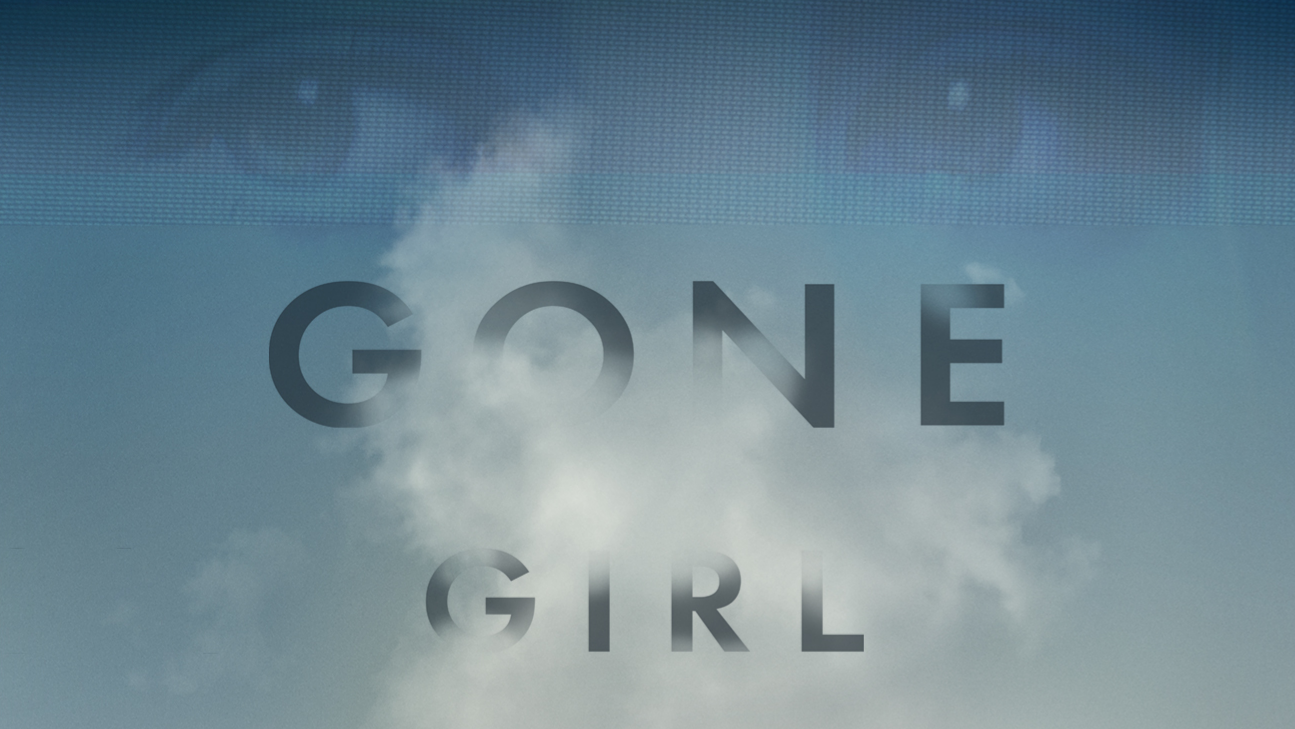
Fincher made his best satire in years with Gone Girl, which is based on Gillian Flynn’s book. Ben Affleck and Rosamund Pike portray a couple whose marriage is falling apart because of the media and their lies. The movie makes fun of the craziness of cable news and the fake scripts that people use in their relationships nowadays. It is shiny, cruel, and darkly humorous, and the ending is both shocking and strangely reasonable. It was his most successful film, proving that cynicism can work if done well.
His subsequent work has oscillated between tribute and minimalism. His late father wrote Mank, which is about Herman J. Mankiewicz and recreates Hollywood in the 1930s with great care in black and white. It pays respect to the history of studios, but it also has a caustic edge regarding authorship and power. The Killer, which stars Michael Fassbender and is based on a graphic book, takes the thriller down to its most basic elements: rituals, mantras, and the dullness of professional murder. The assassin’s voiceover stresses discipline and detachment, but the movie softly shows that both are false.
Courtesy of 20th Century Fox.
Fincher has built a reputation for being a perfectionist who is almost a tyrant throughout the course of his career. Actors have said that they have done dozens of takes, and sequences are repeated until they lose their spontaneity, leaving something neater, colder, and, he would say, truer. He doesn’t trust people who are sincere and likes performances that are free of showy effects. He likes digital cameras, regulated lighting, and camera motions that match the movement of the characters. There aren’t many handheld photos, but when there are, they imply something. His frames are generally washed in muted greens and yellows, with shadows and sharp edges. When violence happens, it is less explosive than clinical.
His movies are on themes like alienation, obsession, and the breakdown of institutions. His main characters are often outcasts, such as detectives hunting monsters, programmers establishing empires, and loners making underground clubs. They are not traditional heroes; rather, they are imperfect individuals susceptible to temptation. In Fincher’s world, good and evil are not abstract moral concepts; they are the effects that systems, corporate, bureaucratic, and technological, have on weak minds. Even his most romantic art is plagued by time’s indifference and the way society works.
Fincher doesn’t want to be called an auteur, but it’s clear that he is. The careful research, the need for control, and the work with the same editors, composers, and designers all help to create a body of work that seems consistent even when the genres change. He has directed operatic serial-killer thrillers, intimate chamber pieces, biographical plays, and streaming series, but they all have the same interest in how structures, narrative, social, and architectural elements affect behaviour.
There is a common thread between the eight-year-old youngster who was amazed by how movies were made and the senior filmmaker who is in charge of crafting digital epics for worldwide platforms. It’s the fascination with “how.” How visuals convince. How systems work. The fascination lies in the way humans interpret their darkest desires. Fincher’s movies don’t often make you feel better. It gives you structure, discipline, and a clear vision of a world where control is both an illusion and an addiction.
Courtesy of Columbia Pictures.
메타데이터
- post_id
- 54331efe9da2
- slug
- the-master-of-obsession-54331efe9da2
- url
- https://medium.com/@rinoingenito04/the-master-of-obsession-54331efe9da2
- canonical_url
- https://medium.com/@rinoingenito04/the-master-of-obsession-54331efe9da2
- author_url
- https://medium.com/@rinoingenito04
- status
- ok
- fetched_at
- 2026-06-22 05:41:33