Nurses care. But WHO cares for them?
Every year we applaud and celebrate our nurses as heroes, on nurses day or during healthcare campaigns. We praise them for their bravery…
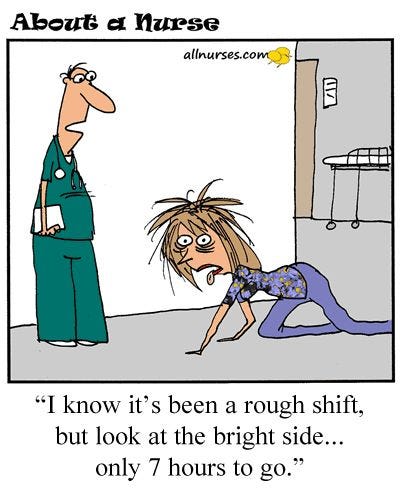
A comical joke before a tough read
Nurses care. But WHO cares for them?
Every year we applaud and celebrate our nurses as heroes, on nurses day or during healthcare campaigns. We praise them for their bravery, dedication and perseverance. But once that praise and applause fades, the nurses are back to their mundane reality, that very few outside this profession truly understands.
I know this because I was one of them, or perhaps more accurately, I survived being one of them. Thank heavens for that!
Behind every nurse who attended to you warmly with smiles on their faces is often a person who is mentally, emotionally and physically drained. Drained and struggling to keep up with a job that demands more and more from them while giving less and less in return.
Nursing is a great and noble profession. Nursing is not difficult because we do not care, it is difficult because we care too much. I wish I had known what I was getting myself into before it was too late. My passion and love for the profession died, not because I could not handle the job itself. I could handle the gore and blood, the endless orders and procedures, the erratic shifts and the adrenaline fuelled emergecnies. In fact, I love helping others more than anything.
What killed my passion was entirely different.
It started very much earlier into my career, when I was a Year 2 nursing student, and then slowly as I became a full fledged registered nurse. By the time I had realize, I was all worn out and full of despise for my job. I had no passion left for this profession.
It was the lack of appreciation. The lack of support. The toxic workplace culture. The verbal abuses. The expectation that nurses have to constantly take on more responsibilities that felt far beyond our pay grade, carrying immense accountability without the recognition, authority, or compensation that it should come with. The absence of compassion for nurses who are expected to show compassion every day. We care for them, but who cares for us?
Nursing did not break me, it was the system that did.
We stay back after our shifts to finish documentations. We skip our meals because our tasks seem to be endless. We answer calls on our off days being asked if we’re able to come back to cover another shift because the ward is short-staffed. We work double shifts when manpower is stretched thin. We put our personal lives on hold because someone else’s health cannot wait.
And yet, many nurses still feel their struggles are disregarded.
The argument is always about the lack of manpower. Is it really lack of manpower, or is it a work environmental issue? Many, like me, enter the profession full of hope and passion. They want to care for people, but the emotional burden of this job is far too much for one to carry. The emotional burden, the physical woes that come with it, the lack of support and the culture and system that normalizes burnout as part of the job.
Work-life balance in Singapore is known to be infamous, but it is almost non-existent for a healthcare worker. With rotating shifts disrupting our sleep, social lives, relationships and family commitments. On our off days, we are recovering from exhaustion rather than enjoying life. Most people finish work and still have time to squeeze in their hobbies, friends and family commitments. Many nurses finish work and hope to have enough energy just to function the next day.
The physical demands are a nurse or any healthcare worker is extremely intense.
I have watched my heavily pregnant colleagues “thugging” it out and continuing their night shifts. I have seen nurses push through exhaustion, working 7 to 8 days in a row because of the way their schedules are rostered or simply because they have to cover another person’s shift. I have heard of nurses going through multiple miscarriages during their nursing careers and only experienced healthier pregnancies after leaving nursing entirely. I have witness colleagues who come to work still sick because their request for extension of medical leaves were not approved. I have heard of colleagues who had to miss their parents’ funerals, their children’s graduations, or important family events because management was unable or unwilling to find staff to cover their shifts or approve urgent leave.
These experiences raise uncomfortable but necessary questions about how we support healthcare workers. Where is the empathy and understanding for the nurses who so freely extend it to their patients every day?
Then there is the abuse.
Most people imagine violence in healthcare as physical incidents, it does happen though, but the truth is that verbal abuse is often far more common. Verbal abuse alone have the power to bring an individual down.
Nurses are shouted at, blamed, insulted and treated as punching bags for the frustrations that have nothing to do with them. Patients and family members sometimes direct their anger at the most accessible person in the room — the nurse.
Support only appears when a situation escalates into physical violence. What about the countless incidents of verbal abuses, threats and harassment that occur before it turns physical? Management tells you that its normal, that every nurses go through it and it is simply part of the job. Is it though? Just because something happens more often than not does not mean it is acceptable.
Who checks in on the nurses after?
Who asks if they are coping? Who helps them process the emotional impact of being verbally attacked while simply trying to do their job? We emphasize greatly on patient safety, but what about staff wellbeing? Our wellbeing deserves the equal attention too.
Another issue is rarely discussed is the sheer volume of non-clinical responsibilities nurses in Singapore continue to shoulder. In Singapore, nurses are expected to administer medications, monitor patients closely, coordinate care plans, carry out doctors’ orders, document extensively, communicate with families, and manage emergencies, all while assisting patient with feeding, showering, changing diapers, turning and transferring patients, and numerous other activities of daily living.
Sure, these tasks are important. Every patients deserve dignified care.
The question is whether nurses should be expected to do everything under the sun. A nationwide expectation that every aspect of care should fall solely on the nurse still remains.
This mindset may seem harmless in isolation. However, it contributes significantly to workload pressures that are already pushing many nurses to their limits.
In many healthcare systems around the world, nursing aide, healthcare assistants, volunteers or family members play a role in supporting a patient’s basic care needs. This allows the nurses more of their time and expertise to carry out their clinical responsibilities.
Singapore has attempted to introduce the Basic Care Assistant (BCA) initiative to alleviate the stress, however its retention rate is low.
Why do you think that is?
Perhaps it is worth pausing to consider the answer. If support staff face many of the same challenges that nurses do on a daily basis — heavy workloads beyond their pay grade, limited recognition, and demanding working conditions. Perhaps the issue is larger than manpower alone.
The main point of this article is to convey a message — and gosh, I hope it does.
Nurses are not asking for less work because they are unwilling to care.
They are asking for support because they want to continue caring.
If we want to retain our nurses, we have got to make actual significant changes beyond just recruiting more foreign nurses.
We need stronger protections against workplace abuse.
We need better mental healthcare support for healthcare workers.
We need staffing models that recognize the realities of bedside care.
We need greater use of healthcare assistants and support staff to reduce unnecessary burdens on nurses.
More importantly, we also need a cultural shift that recognizes nurses as skilled professionals rather than an endless human machine expected to absorb every demand placed upon them.
I will forever love and cherish the memories and experience I had as a nurse, but for now I choose to step back and prioritise my own wellbeing. Nursing has shaped me in ways I will always be grateful for, but it has also taught me that caring for others should never come at the expense of your wellbeing.
I hope that one day, the system will evolve to care for its nurses the same way nurses care for their patient. The system must move beyond just words of appreciation and create conditions that actually allow nurses to thrive in, not merely endure.
When nurses are supported, the patients benefit too — and when nurses are cared for, they can continue caring for others.
메타데이터
- post_id
- 54ca7457ace7
- slug
- nurses-care-but-who-cares-for-them-54ca7457ace7
- url
- https://medium.com/@marthawong1/nurses-care-but-who-cares-for-them-54ca7457ace7
- canonical_url
- https://medium.com/@marthawong1/nurses-care-but-who-cares-for-them-54ca7457ace7
- author_url
- https://medium.com/@marthawong1
- status
- ok
- fetched_at
- 2026-06-09 15:37:30