How Long Distance Measurement Affects Comfort, Accuracy and Confidence Outdoors
Long distance measurement is one of those outdoor details that seems small until you actually need it.
How Long Distance Measurement Affects Comfort, Accuracy and Confidence Outdoors
Long distance measurement is one of those outdoor details that seems small until you actually need it.
On a golf course, it may be the difference between trusting an 8-iron and second-guessing yourself over the ball. In a hunting setup, it may help you understand whether a shot is realistic, ethical, or better left alone. On a hike, in open terrain, or during field scouting, it can help you make sense of space when your eyes are not giving you the full picture.
Distance is easy to talk about, but harder to judge well.
Open fields can make objects look closer than they are. Uphill and downhill angles can distort your sense of range. Low light can flatten depth. Brush, water, snow, and uneven ground can all make a familiar distance feel unfamiliar.
That is why long distance measurement matters outdoors. Not because a number solves everything, but because a clear number can make the rest of your decision easier.
Comfort Starts With Less Guesswork
Comfort outdoors is not only about clothing, boots, or how much weight you carry. It is also mental.
When you are unsure about distance, your body tends to hold that uncertainty. You pause longer. You check twice. You hesitate. You may move when you do not need to move, or rush because you feel the moment slipping away.
A laser rangefinder can reduce that mental pressure.
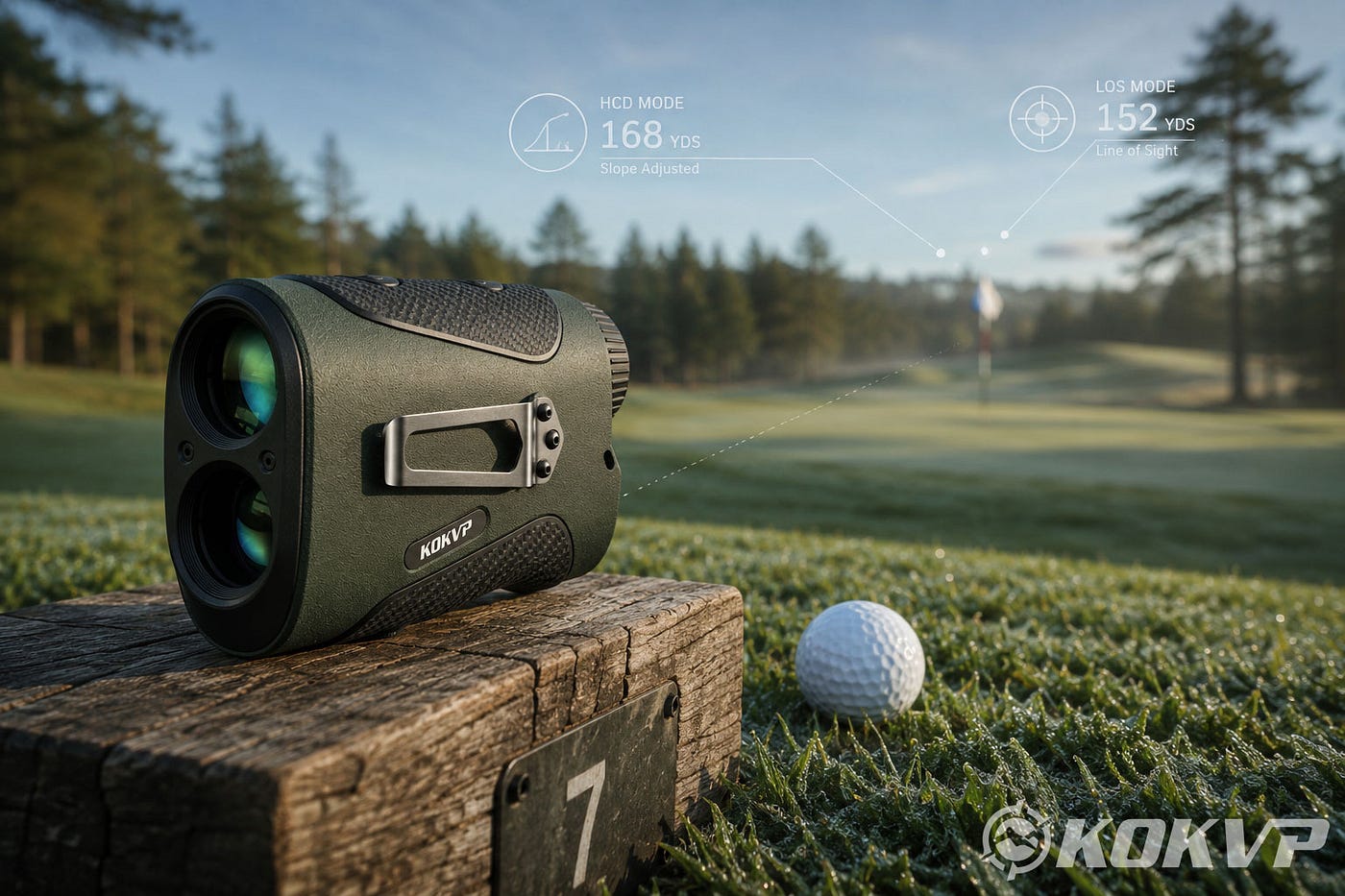
For a golfer, knowing the yardage to the flag, bunker carry, or back edge of the green can make the next shot feel more manageable. It does not guarantee the swing will be good, but it removes one layer of doubt. Instead of wondering whether the target is 135 or 155 yards, you can focus on club choice, wind, lie, and tempo.
For a hunter, distance measurement can create a similar kind of calm. If a deer steps into a clearing or a ridge line needs to be checked, a hunting rangefinder gives a reference point. You are no longer relying only on instinct in a moment where instinct may be affected by excitement, fatigue, or fading light.
This is a practical kind of comfort. It is not dramatic. It simply helps you feel more settled.
Accuracy Is Not Just About the Device
When people talk about long distance measurement, they often focus on how accurate the rangefinder is. That matters, of course. A good laser rangefinder should deliver consistent readings within its intended use range.
But outdoor accuracy is bigger than the device itself.
The target matters. A reflective sign is easier to range than dark fur, rough bark, wet grass, or a shaded rock face. Weather matters too. Rain, fog, dust, and snow can interfere with the laser or make readings less reliable. Stability matters. If your hand is shaking after a steep walk, it may be harder to lock onto a small target.
Even the way you use the rangefinder affects accuracy.
Ranging a clean object near the target can sometimes be more reliable than trying to range the target directly. In golf, that might mean checking the flag, then also checking the front edge or a bunker lip. In hunting, it might mean ranging a tree, rock, fence post, or trail opening before an animal arrives.
Long distance measurement works best when the user understands the environment, not just the button.
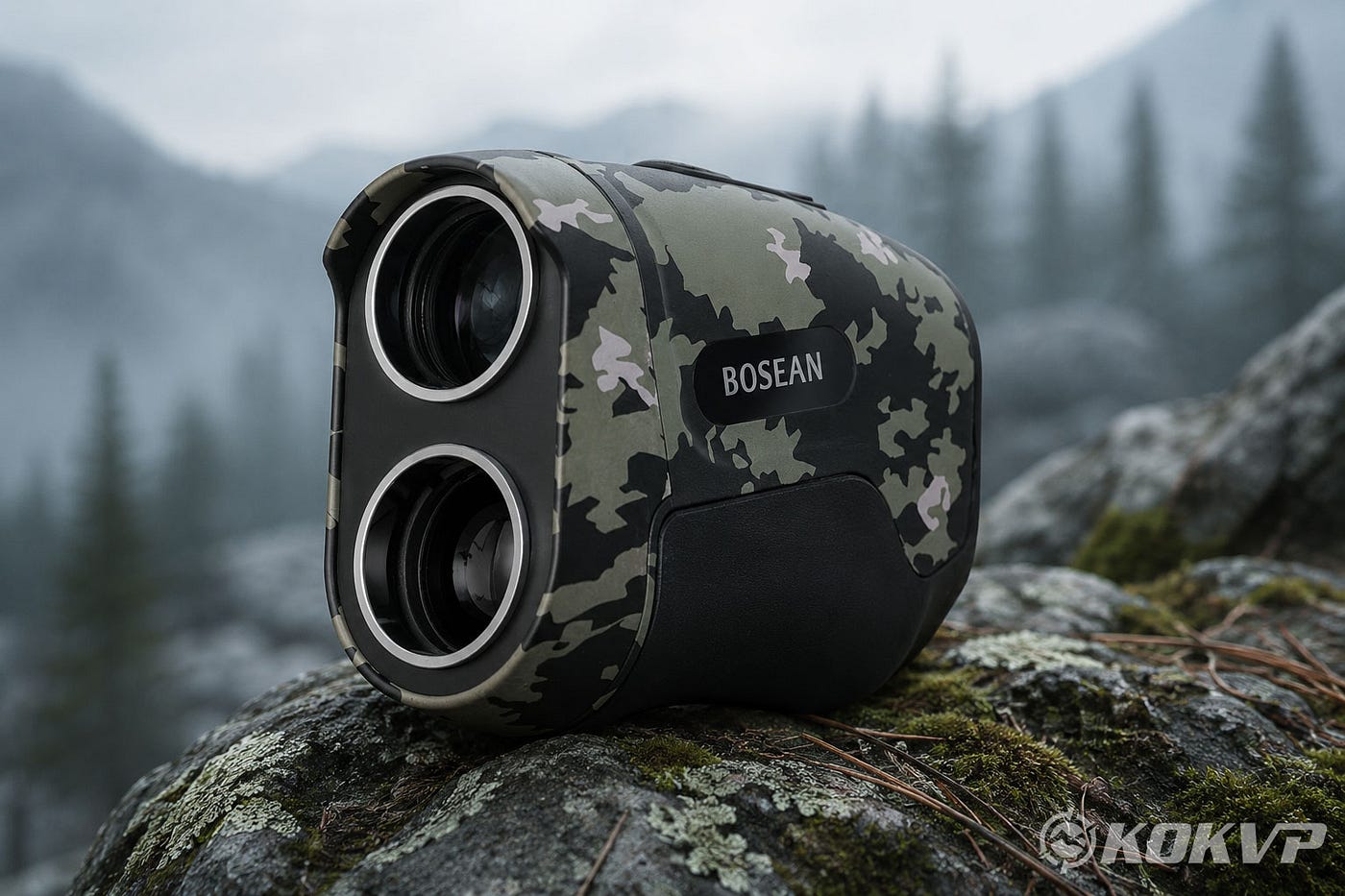
Confidence Comes From Better Context
Confidence outdoors should not mean overconfidence.
A rangefinder should not make someone take a shot they have not practiced. It should not make a golfer aim at a pin they have no business attacking. It should not replace judgment, field experience, or patience.
The better kind of confidence is quieter.
It comes from having enough information to make a reasonable decision. If the flag is 162 yards but the back edge is only 170, you may decide that long is a bad miss. If the animal is farther than your comfortable range, you can pass without turning the moment into a debate in your head. If a hillside is steeper than it looked, angle compensation can help you understand why the line-of-sight distance may not tell the whole story.
Confidence improves when distance becomes part of a larger picture.
That picture may include wind, slope, terrain, lighting, target size, your own skill level, and what you are trying to accomplish. The number is not the decision. It supports the decision.
Why Long Range Capability Still Has Limits
A rangefinder with long measurement capability can be useful, especially in open country, mountain terrain, large fields, or wide golf courses. Being able to check distant landmarks helps you understand the area before you need to act.
But maximum range is also one of the easiest specifications to overvalue.
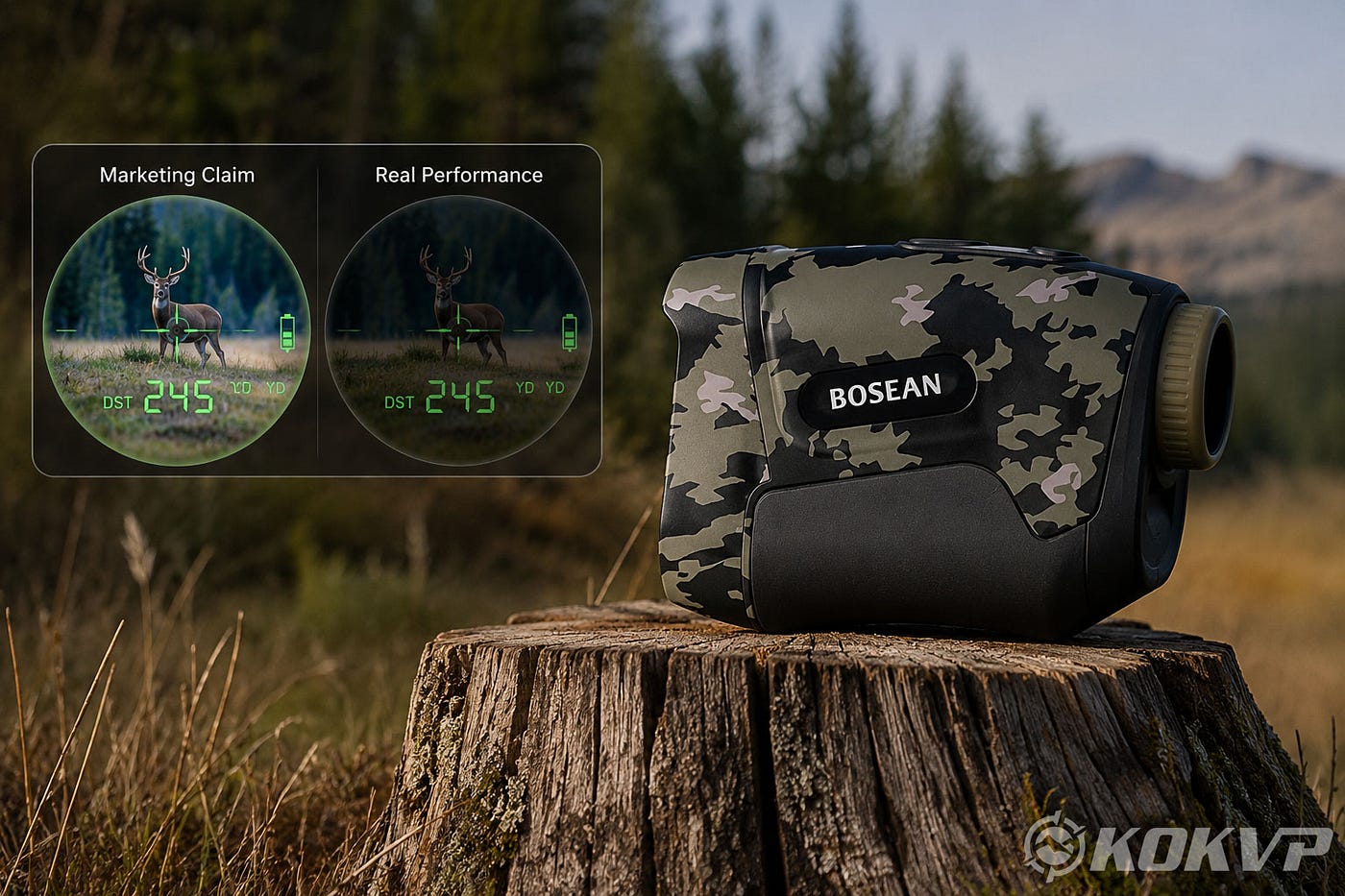
A device may be capable of measuring very long distances under ideal conditions, especially on reflective targets. Real outdoor use is not always ideal. Grass, animals, trees, dark surfaces, haze, and uneven lighting all affect performance.
For most people, the real question is not, “How far can it measure once in perfect conditions?”
A better question is, “How reliably does it measure the distances I actually use?”
For weekend golfers, that may mean fast and repeatable yardage inside 250 yards. For bow hunters, it may mean dependable readings inside 60 yards, especially from elevated or angled positions. For rifle hunters, it may mean confidence across a few hundred yards, with a clear understanding of personal limits and ballistic reality.
Long range capability is valuable, but practical reliability is more valuable.
Angle, Slope, and Terrain Change Everything
Outdoors, distance is rarely just a straight flat line.
A golf shot into an elevated green does not play exactly like the same yardage on flat ground. A downhill shot from a tee box may require a different decision than the number alone suggests. On the hunting side, a tree stand, ridge, valley, or steep hillside can change how a distance should be interpreted.
This is where slope mode and angle compensation become useful.
In golf, slope mode can help casual players understand how elevation affects club selection during practice rounds or casual play, though players should always follow local rules and tournament restrictions when required. In hunting, angle compensation can be especially helpful for bow hunting because steep angles can make line-of-sight distance misleading.
Still, these features should be treated as aids, not shortcuts.
They help explain the terrain. They do not replace practice. A golfer still needs to know how far each club actually carries. A hunter still needs to understand their equipment, shot placement, and personal effective range.
Less Movement Often Means Better Field Use
One overlooked benefit of good distance measurement is that it can reduce unnecessary movement.
On a golf course, this may simply mean fewer steps pacing off yardage or checking markers. You can stand near the ball, range the target, and keep your routine smooth.
In hunting, less movement can matter even more. Constantly shifting, leaning, or trying to estimate distance from several positions can draw attention. A compact hunting rangefinder that is easy to operate with one hand can help you stay quieter and more controlled.
This is where ergonomics become part of performance.
A device may have strong specifications, but if it is hard to hold steady, difficult to read, or awkward with gloves, it may not feel accurate in real use. Button placement, display readability, grip texture, and size all affect how comfortable the tool feels outdoors.
Comfort and accuracy are connected more often than people think.
Optical Clarity Makes the Number Easier to Trust
Long distance measurement depends on seeing well.
If the view through the rangefinder is cloudy, dim, or narrow, you may struggle to confirm what you are actually ranging. This can be frustrating in low light, wooded areas, or open terrain with similar-looking objects.
Optical clarity helps you aim at the right thing.
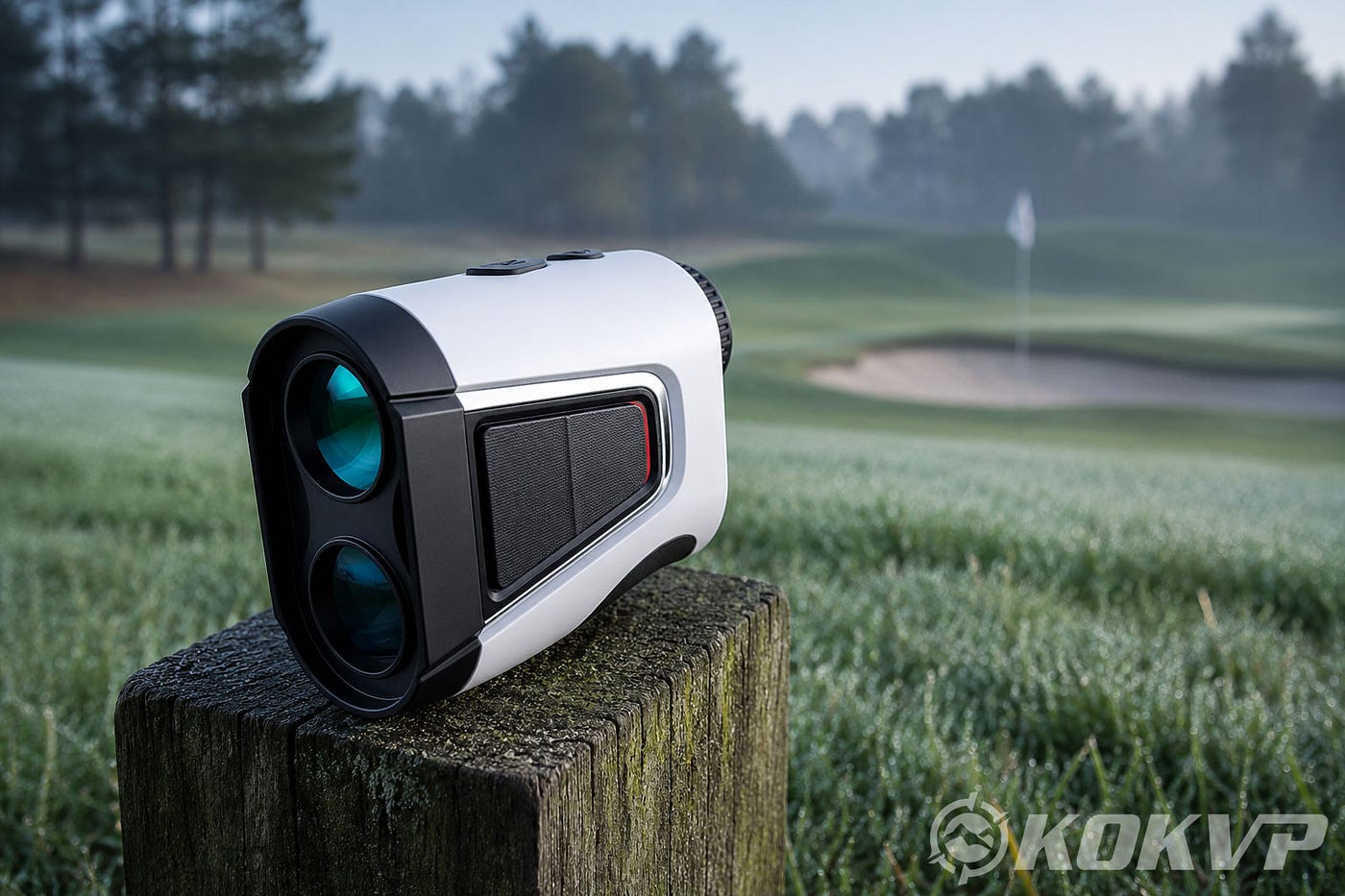
For golfers, a clearer view can help separate the flag from trees, carts, or background shapes. Features like flag lock can be useful when the pin is visually busy or when the background makes it harder to isolate the target.
For hunters and outdoor users, clarity helps identify trees, rocks, brush lines, and openings. It also helps when using scan mode to sweep across an area and build a better sense of distance across the terrain.
Brands in the outdoor optics space, including **KOKVP**, are most useful when they treat distance measurement as part of the whole field experience: clear viewing, practical ranging, manageable size, and simple operation.
The Best Use Is Usually Before the Moment Gets Serious
A rangefinder is often most helpful before pressure arrives.
Golfers can range trouble spots before choosing a target. How far to carry the bunker? How far to the layup area? How much room is behind the green? These numbers can improve course management before the swing even starts.
Hunters can do the same thing from a stand, blind, or glassing point. Range the trail crossing. Range the edge of the field. Range the dead tree, the rock, the fence line, the opening near the creek. When something moves later, you already have a mental map.
This habit makes distance measurement less reactive.
Instead of scrambling for a number at the last second, you are building context early. That usually feels calmer, safer, and more controlled.
What This Really Means Outdoors
Long distance measurement affects comfort because it reduces uncertainty. It affects accuracy because it gives you a better starting point. It affects confidence because it helps you make decisions with clearer information.
But it is not magic.
A rangefinder will not fix a poor golf swing. It will not replace hunting discipline. It will not make bad weather disappear or turn a risky shot into a smart one. What it can do is help you understand distance more honestly.
That honesty matters outdoors.
Whether you are choosing a club, judging a field edge, checking a slope, or deciding whether to wait, distance is part of the story. The more clearly you understand it, the easier it becomes to stay calm, practical, and realistic.
And in many outdoor situations, that is exactly what confidence should feel like.
메타데이터
- post_id
- 54d5f4ac68cf
- slug
- how-long-distance-measurement-affects-comfort-accuracy-and-confidence-outdoors-54d5f4ac68cf
- url
- https://medium.com/@velluvangadniyamuddin/how-long-distance-measurement-affects-comfort-accuracy-and-confidence-outdoors-54d5f4ac68cf
- canonical_url
- https://medium.com/@velluvangadniyamuddin/how-long-distance-measurement-affects-comfort-accuracy-and-confidence-outdoors-54d5f4ac68cf
- author_url
- https://medium.com/@velluvangadniyamuddin
- status
- ok
- fetched_at
- 2026-06-24 18:57:25