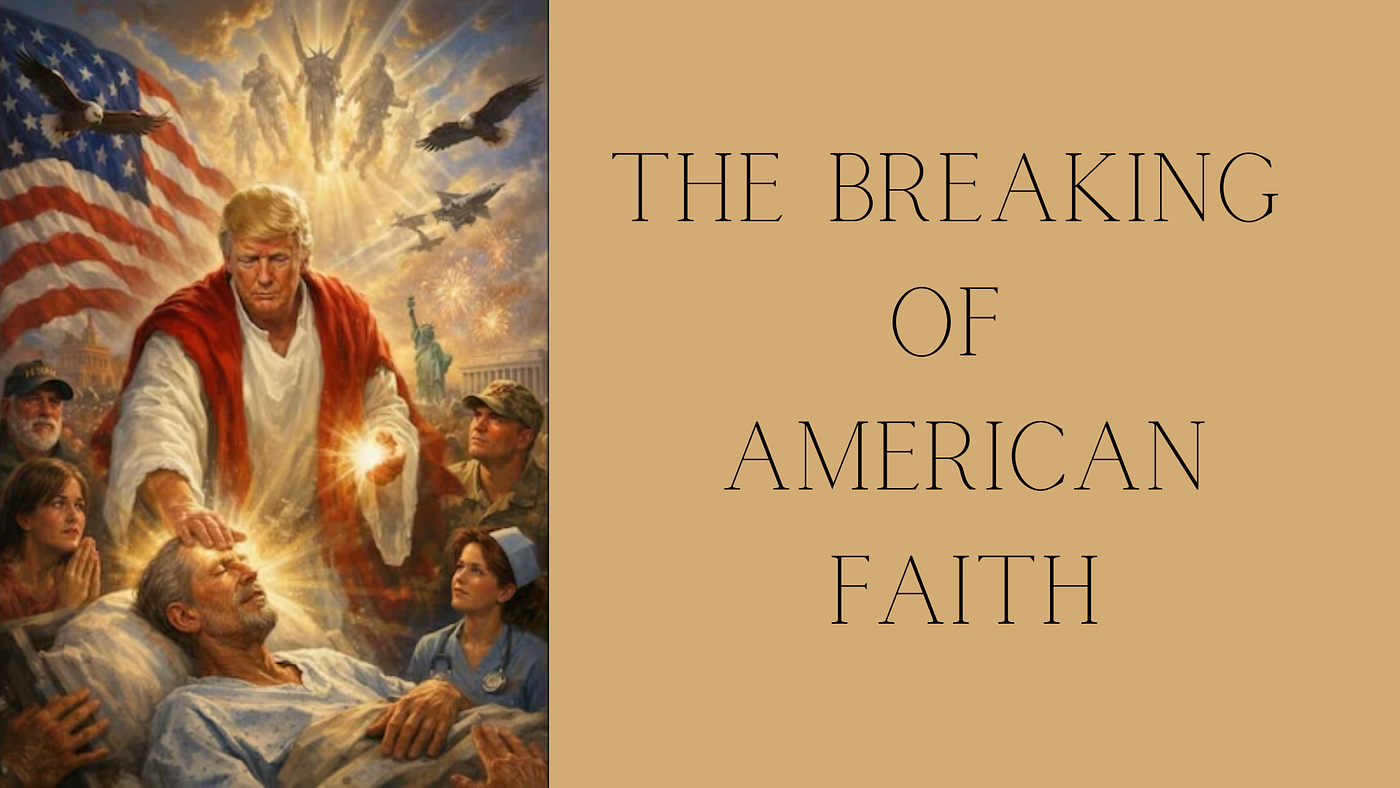
The Trumpster Dumpster
He Could Kill A Person and Lose A Vote. Did He?
The Trumpster Dumpster
He Could Kill A Person and Lose A Vote. Did He?
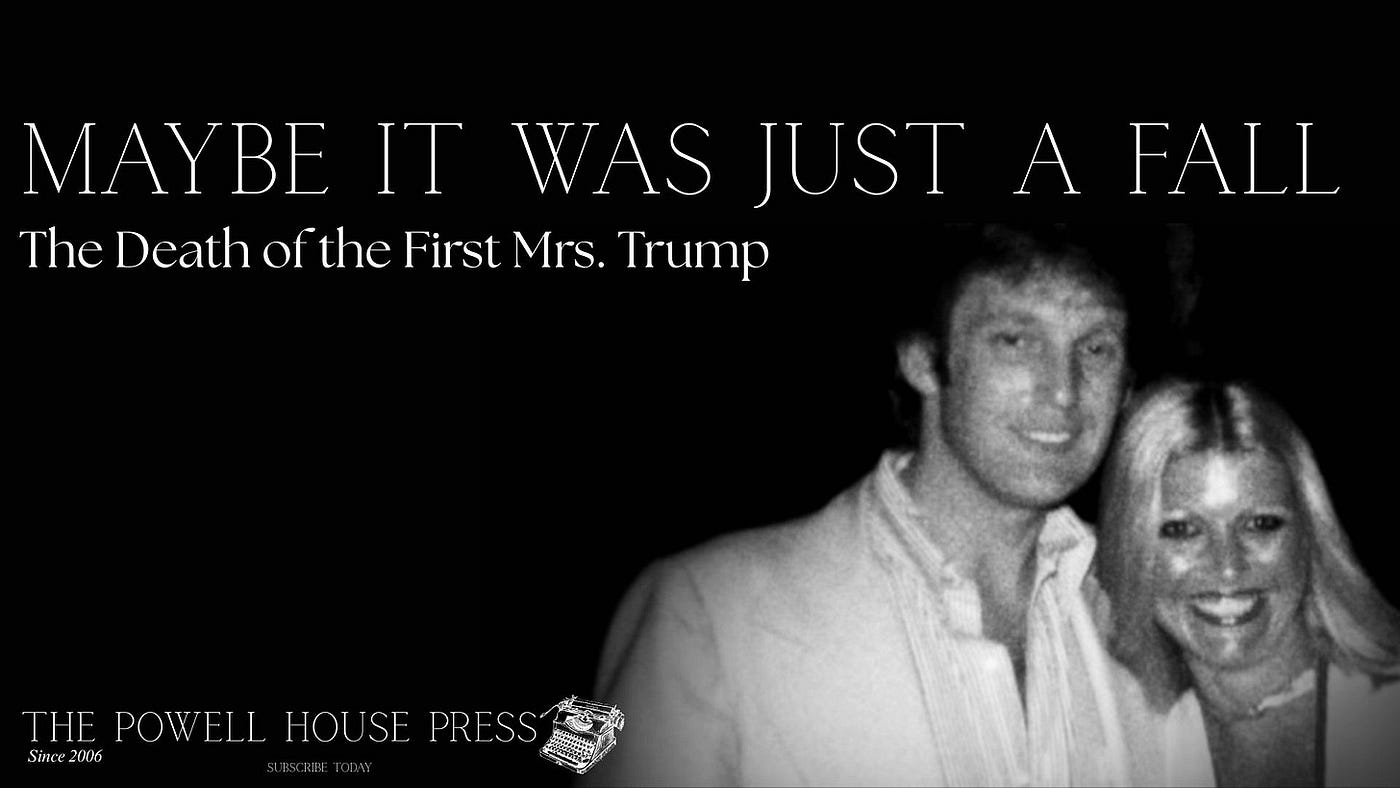
The Odds Of Ivana Trump Dying From A Fall Were Slim.
If you’re able, consider becoming a paid subscriber to help me continue creating content like this. Can’t subscribe right now? No worries-you can still make a huge difference by sharing this story with others, hitting that subscribe button for free updates, or simply telling a friend about what you’re reading here. Every bit of support, whether financial or otherwise, means the world to independent writers like me. Thank you for being part of this community!
Projection represents one of psychology’s most fascinating and pervasive defense mechanisms, offering insight into how humans navigate uncomfortable truths about themselves. At its core, projection involves attributing our own unacceptable thoughts, feelings, or behaviors to others, effectively creating psychological distance from aspects of ourselves we find threatening or intolerable.
This mechanism operates largely outside conscious awareness, making it particularly powerful and persistent. When someone projects, they genuinely believe they are observing traits in others rather than recognizing these same qualities within themselves. A person struggling with aggressive impulses might consistently perceive others as hostile or threatening, while someone grappling with feelings of inadequacy may frequently criticize others for being incompetent or weak.
When Projection Becomes Pathological
The relationship between projection and personality disorders illuminates how this defense mechanism can become pathological when used excessively. Narcissistic personality disorder represents perhaps the most dramatic example of projection as a primary psychological defense.
Narcissism, at its clinical core, involves a pervasive pattern of grandiosity, need for admiration, and lack of empathy that begins by early adulthood. Narcissists construct an elaborate false self — a grandiose public persona that masks profound inner shame and inadequacy. This psychological architecture requires constant maintenance, and projection becomes one of their most essential tools for protecting this fragile construction.
For narcissists, projection serves multiple functions simultaneously. It protects an inflated but brittle self-image by transferring all negative qualities onto others, maintains their grandiose self-perception by ensuring they never have to acknowledge personal flaws, and provides a perpetual source of external enemies to blame for any failures or setbacks.
In narcissistic personality disorder, projection operates with remarkable consistency and intensity. Someone with narcissistic traits might project their own insecurities about competence onto colleagues, perceiving others as incompetent while maintaining their grandiose self-perception. When they fail at a task, the failure becomes evidence of others’ sabotage rather than their own limitations. When they feel vulnerable or ashamed, those feelings are immediately relocated onto others, who are then perceived as weak or pathetic.
This creates a psychological prison where genuine self-reflection becomes impossible. Every criticism becomes persecution, every failure becomes someone else’s fault, and every personal flaw becomes someone else’s defining characteristic. The narcissist’s reality becomes a hall of mirrors where they see only their own shadow reflected in everyone around them.
When we look at Donald Trump through this psychological lens, we’re not alone in our observations. Many psychologists and other mental health professionals have offered similar analyses of his personality and behavior, drawing from his decades of public statements and actions. These clinical assessments consistently point toward a cluster of concerning traits.
Most frequently mentioned is **Narcissistic Personality Disorder,** with several observers noting how Trump’s behaviors align remarkably well with the diagnostic criteria laid out in the DSM-5. We see the grandiose self-regard, the preoccupation with fantasies of unlimited success and power, the belief in his own uniqueness and superiority. There’s the constant need for admiration, the sense of entitlement, the pattern of exploiting others interpersonally, and the notable lack of empathy. Perhaps most tellingly, there’s the way he seems both envious of others while simultaneously believing they’re all envious of him.
Some professionals go further, suggesting Trump exhibits behaviors consistent with Antisocial Personality Disorder. They point to his pattern of failing to conform to social norms and laws, his repeated lying, and his apparent lack of remorse when his actions harm others. This disorder involves a pervasive disregard for and violation of the rights of others, often beginning in childhood or early adolescence and continuing into adulthood.
The most concerning assessment involves what clinicians call “malignant narcissism” — a term that combines aspects of narcissism with antisocial traits. This configuration includes discussions about potential sadism and the seeking of pleasure from inflicting pain on others. Malignant narcissism represents one of the most dangerous personality patterns because it merges the grandiosity and lack of empathy we see in narcissism with the ruthlessness and disregard for others’ rights that characterizes antisocial personality disorder.
Understanding these clinical patterns becomes crucial when we examine how projection might operate in someone with these traits, particularly when that person wields significant power and faces existential threats to their carefully constructed identity.
Similarly, individuals with borderline personality disorder often project their intense fear of abandonment onto relationships, interpreting neutral behaviors as signs of rejection or betrayal. This projection creates a self-fulfilling prophecy, as their responses to perceived abandonment often strain relationships and create the very outcome they fear.
The paranoid personality pattern demonstrates perhaps the most vivid form of projection, where internal suspicions and hostile thoughts are consistently attributed to others. This creates a worldview where external threats justify defensive or aggressive responses, while the individual remains unaware of their own contribution to interpersonal conflicts.
What makes projection particularly challenging to address is its self-reinforcing nature. When we project negative traits onto others, we often elicit responses that seem to confirm our projections. If we consistently treat others as untrustworthy, they may become guarded or defensive, which we then interpret as evidence of their untrustworthiness.
Projection in the Political Arena
Understanding projection has broader implications beyond clinical psychology. In political discourse, workplace dynamics, and personal relationships, recognizing when projection occurs can help us navigate conflicts more effectively. Rather than simply reacting to what appears to be external criticism or hostility, we can ask whether these perceptions might reflect something about our own internal state.
Recent conspiracy theory narratives exemplify how political figures can weaponize unsubstantiated claims to deflect from ongoing controversies. President Trump has alleged without evidence that the Biden administration “doctored” files related to Jeffrey Epstein, claiming that “the files were made up by Comey. They were made up by Obama. They were made up by Biden.” However, fact-checkers have noted that the two federal investigations into Epstein took place in 2006–08 and 2019, during the George W. Bush and Trump administrations, with neither Obama nor Biden in office during these periods.
Meanwhile, Director of National Intelligence Tulsi Gabbard has made parallel claims, alleging a “treasonous conspiracy” by Obama administration officials to manufacture intelligence about Russian interference in the 2016 election. However, these allegations fly in the face of four previous investigations totaling more than 2,500 pages, including a bipartisan Senate Intelligence Committee report spearheaded by current Secretary of State Marco Rubio that confirmed Russian interference.

Director of National Intelligence Tulsi Gabbard
This raises a compelling question about the first Trump administration: if such evidence of Obama-era malfeasance existed, why didn’t Trump’s own Justice Department, FBI, or the extensive investigations led by Special Counsel John Durham uncover it during his initial four-year presidency? The Durham investigation, which spent four years examining potential wrongdoing by the FBI and intelligence community, resulted in only one conviction — an FBI lawyer for making a false statement — and never accused any US officials of crimes related to the 2017 intelligence assessment.
The timing of these conspiracy theory revivals appears particularly convenient, coinciding with Trump facing criticism from his own base over the Epstein files controversy, suggesting these claims may serve more as political distraction tactics than genuine revelations of misconduct — a textbook example of projection in action.
This pattern of projecting fabricated conspiracies onto opponents becomes even more psychologically significant when we consider what secrets Trump himself might be protecting.
The Woman Who Knew Too Much: Ivana Trump’s Final Act
The spiral staircase in Ivana Trump’s Upper East Side townhouse had always been a showpiece — a dramatic flourish befitting a woman who had spent her life ascending from the gray Communist blocks of Czechoslovakia to the gilded towers of Manhattan. On July 14, 2022, those same stairs became her final stage, claiming the life of Donald Trump’s first wife just 72 hours before she was scheduled to testify under oath about the Trump Organization’s business practices.
It was, by all official accounts, a tragic accident. The New York Medical Examiner ruled it so within 24 hours, citing “blunt impact injuries to the torso” from an accidental fall. But in the baroque opera that has been the Trump family saga, timing has always been everything — and Ivana’s timing was, as ever, impeccable.
To understand the significance of Ivana’s silence, one must first understand what she knew. For fifteen years, from 1977 to 1992, she wasn’t merely Mrs. Donald Trump — she was his business partner, confidante, and the architect of the Trump brand’s signature aesthetic excess. As Senior Executive Vice President of the Trump Organization, she had her fingerprints on every major deal, from the pink Breccia Pernice marble in Trump Tower’s lobby to the $400 million acquisition of the Plaza Hotel.
“When you are going down the mountain at 80 miles an hour, you cannot count on Mama or Papa. You have to count only on Ivana,” she once said about her ski racing days. It was a philosophy that would serve her well in the treacherous terrain of Trump family politics, where loyalty was currency and discretion was survival.
But even Ivana, for all her steel-spined resilience, had her limits. The 1990 divorce proceedings revealed a woman pushed beyond her breaking point, making allegations so serious they would haunt the Trump legacy for decades. In her deposition, she accused Donald Trump of rape, detailing an incidents of violence so brutal that it painted a portrait of her then-husband that no amount of marble and gold leaf could beautify. She described how he ripped hair from her scalp in rage after a painful scalp surgery he had recommended went wrong. The specificity of her account, describing how he tore out chunks of her hair before the assault, provided a chilling glimpse into what happened when Trump’s carefully maintained control was challenged.
The Art of Perpetual Silence
What emerged from the wreckage of their marriage was more than just a $14 million settlement and joint custody arrangements. The divorce agreement included what would become a template for Trump’s future legal strategies: a comprehensive non-disclosure agreement that transformed Ivana from potential adversary into permanent secret-keeper.
The NDA wasn’t merely about protecting trade secrets or business strategies. It was about containing a woman who had witnessed the making of a man who would one day occupy the Oval Office — and who had seen, up close, what he was capable of when his carefully constructed image was threatened. More crucially, it was about silencing someone who had already accused him of rape under oath, someone whose testimony about his capacity for violence had already entered the legal record during their divorce proceedings.
It speaks to a level of paranoia, or perhaps prescience, about what secrets might one day surface. While such agreements are commonplace in business, applying them to intimate relationships reveals a man who views every human connection through the lens of potential liability. Everything to Trump is a transaction.
The Economics of Silence and the Temptation of Truth
What made Ivana particularly dangerous wasn’t just what she knew about business practices or financial irregularities. She had witnessed the man behind the mythology during his most formative years as a public figure. She had seen him craft his first major deceptions, perfect his media manipulation techniques, and develop the patterns of behavior that would later characterize his political career.
But there was another dimension to her potential threat: money. For all her business success after the divorce, Ivana had received only a fraction of Trump’s wealth in the settlement — $14 million from what was then estimated to be a five-billion-dollar empire. Her $34 million estate at death was impressive by any standard, though much of this wealth reflected the extraordinary appreciation of her Upper East Side townhouse following their divorce — a period that saw New York property values soar beyond all historical precedent.
When Barack and Michelle Obama inked their joint book deal for a reported $80 million, it must have crossed Ivana’s mind: what might her story be worth? Not just the sanitized memoir she published in 2017, but the real story — the unvarnished truth about the making of a president, told by the woman who had been there for every crucial moment of his transformation from outer borough developer to Manhattan mogul.
The Obama windfall proved that presidential proximity could be extraordinarily lucrative for those willing to tell their stories. For someone bound by NDAs for thirty years, watching from the sidelines as others monetized their Trump connections, the temptation must have been enormous. An honest memoir from Ivana — one that violated her NDAs and revealed everything she knew — could have been worth tens of millions, dwarfing her divorce settlement and providing the kind of financial security that would make any legal consequences worthwhile.
The Pattern of Power and Control: When Projection Meets Reality
I want to be clear: I am not a conspiracy theorist. But I do believe in conspiracies when the evidence supports them. They just take a lot of effort and discretion, qualities most people don’t possess. Trump and his associates, however, seem to have both in spades.
If I accept that Trump has orchestrated elaborate schemes — from paying publishers to “catch and kill” stories to manufacturing entire election fraud narratives — then Ivana’s death raises questions that transcend coincidence.
The psychology of projection suggests that when Trump repeatedly accuses others of orchestrating conspiracies, fabricating evidence, and “making up” damaging files, he may be revealing the mechanics of his own mind. Consider the specificity of his allegations: files being “doctored,” evidence being “manufactured,” investigations being “rigged.” These aren’t abstract concerns about government overreach — they’re detailed accusations that mirror exactly the kind of evidence manipulation and narrative control that have characterized his own documented operations.
David Pecker admitted under oath to his role in the “catch and kill” operations. Michael Cohen detailed the conspiracy from his prison cell. I’ve reported on the apparatus of concealment and manipulation that surrounded Trump — it’s been documented, prosecuted, and proven in courts of law. Is it really such a leap to wonder if that same apparatus might extend to protecting its secrets by any means necessary?
She knew about his fascination with violence — his public calls for execution, his comfort with displaying power over the vulnerable. She had experienced firsthand his willingness to act on these impulses when challenged or threatened. She had already testified under oath about being raped by him, making her perhaps the only person alive who could speak with legal credibility about his capacity for violence when his control was threatened.
Most crucially, she understood his psychology: a man comfortable being “deviant” in full view of the world, someone whose mind operated in the realm of “I can do this and no one is going to stop me.” That kind of intimate psychological portrait, delivered under oath by someone who had shared his bed and boardroom, could have been politically devastating.
The Guilt That Speaks Through Accusations
Understanding projection through the lens of Ivana’s death adds a chilling dimension to Trump’s recent conspiracy theories. When someone who may harbor the ultimate secret — involvement in silencing a dangerous witness — begins frantically accusing others of fabricating evidence and manipulating investigations, we witness projection in its most desperate form.
The timing is telling: as scrutiny over the Epstein files intensifies, Trump’s accusations about “made up” files and “doctored” evidence become more frequent and specific. Each allegation of evidence tampering may represent his own fears about what investigators might uncover, each claim of conspiracy his own guilt projected onto perceived enemies.
The most haunting aspect of this psychological dynamic is how it transforms every public statement into a potential confession. When Trump claims others are “making up evidence,” he may be describing his own modus operandi. When he alleges vast conspiracies to silence opponents, he may be revealing his own methods. The very specificity of his accusations — the detailed knowledge of how investigations can be manipulated and evidence can be fabricated — suggests the expertise of experience rather than the paranoia of innocence.
The Statistics of Convenience
The timing alone makes me pause. Three days before her scheduled deposition. Three days before a woman who had been bound by NDAs for three decades might finally have been legally compelled to speak truth under oath. Three days before the kind of testimony that could have unraveled not just business practices, but the carefully constructed mythology of the MAGA king — or maybe more aptly the “Great Oz.”

The actual stairs where Mrs. Trump was found dead. A steeper slope results in a greater component of gravitational force acting down the incline, leading to increased acceleration. A curved staircase, like this one, has a gentler slope compared to a straight staircase. The curvature also creates shorter segments of uncontrolled falling before each impact occurs, reducing the overall force of the fall by limiting the vertical distance over which a person can accelerate.
Was Ivana’s death really an accident? The question feels almost inevitable given everything we know about the circumstances, the timing, and the psychology of the man who once shared her life. When someone with Trump’s documented history of elaborate schemes to silence dangerous witnesses suddenly benefits from the convenient death of perhaps the most dangerous witness of all, the question demands to be asked.
The actual stairs where Mrs. Trump was found dead. A steeper slope results in a greater component of gravitational force acting down the incline, leading to increased acceleration. A curved staircase, like this one, has a gentler slope compared to a straight staircase. The curvature also creates shorter segments of uncontrolled falling before each impact occurs, reducing the overall force of the fall by limiting the vertical distance over which a person can accelerate.
Twelve thousand Americans* die from stair falls annually, making Ivana’s death statistically unremarkable. But context is everything. How many of those 12,000 were scheduled to testify against former presidents? How many had been bound by NDAs for thirty years? How many possessed the kind of institutional knowledge that could topple political dynasties?
More tellingly, medical research shows that 80% of fatal stair falls result from head trauma — skull fractures, brain hemorrhages, the catastrophic injuries that occur when a tumbling body repeatedly impacts hard edges and surfaces. Yet Ivana died from “blunt impact injuries to the torso,” a cause of death that accounts for less than 10% of fatal stair accidents. Her death was not just statistically convenient in its timing — it was medically anomalous in its mechanism. But it get’s even more interesting, given her age and gender, the statistical likelihood of a fatal, non-head trauma related fall is less than 5%. Add to statistic her stairs. Trump and his surrogate claimed the stairs were steep and always a worry — but they are not steep and in fact their design is protective against fatal falls. And more over they were carpeted — another protective factor.
The medical examiner’s swift conclusion — within 24 hours — was either admirably efficient or suspiciously expedient, depending on your perspective. The lack of any investigation beyond the immediate physical evidence reflected either appropriate restraint or willful blindness to circumstantial factors that might have warranted deeper scrutiny.
The question of whether Ivana’s death was truly accidental becomes more pressing when we consider not just the statistical anomalies and convenient timing, but the psychological profile of the man who had the most to lose from her testimony. For someone capable of orchestrating complex schemes to silence threats to his reputation and legal standing, someone with decades of experience in controlling narratives and eliminating problems, the idea that he might simply accept the devastating risk of Ivana’s testimony seems almost naive.
The Final Performance
The funeral was pure Trump theater: a rose-gold casket at St. Vincent Ferrer, eulogies from the three children who had become MAGA royalty, and Donald himself in attendance but notably silent. The burial at Trump National Golf Club in Bedminster completed the circle — Ivana finally, permanently, part of the Trump empire she had helped build and that had ultimately consumed her.
Even in death, the control mechanisms remained.
The Silence That Speaks Volumes: When Projection Becomes Confession
The therapeutic value of understanding projection lies not in eliminating it entirely — some degree of projection is normal and even adaptive — but in developing greater self-awareness about when and how we use this mechanism. When we can recognize our own projections, we create opportunities for genuine self-reflection and more authentic relationships with others.
But when projection becomes a desperate psychological defense against overwhelming guilt, it transforms from mere deflection into something approaching public confession. Each time Trump accuses others of the very crimes he may have committed, he provides a roadmap to his own psychology and potentially his own actions.
In the end, Ivana Trump’s greatest contribution to the historical record may be what she didn’t say rather than what she did — and what her death has forced Trump to reveal about himself. Her decades of disciplined silence, maintained through multiple investigations, congressional hearings, and criminal proceedings, protected secrets that died with her on those stairs.
Whether accident or something more sinister, Ivana’s death represents the final silencing of the one witness who could have provided the most intimate, comprehensive, and damaging testimony about the making of America’s most controversial political figure. But the very question of whether her death was accidental reveals how deeply Trump’s documented patterns of behavior have eroded our ability to accept convenient coincidences at face value. In Trump’s world, where NDAs are weapons and loyalty is enforced through legal and perhaps other means, that silence was perhaps the most valuable asset of all.
In the end, Ivana Trump — the woman who had once counted only on herself while racing down mountains at 80 miles per hour — may have encountered the one slope too steep, the one descent from which there was no recovery. Yet in death, she may have triggered a pattern of projection that reveals more about her former husband than any testimony could have accomplished.
The truth, like Ivana herself, lies at the bottom of those stairs — silent, still, and forever beyond the reach of any subpoena.
*https://pmc.ncbi.nlm.nih.gov/articles/PMC8836855/
Methods
Study Population and Data SourceMortality risk estimation was derived from a retrospective analysis of prospectively collected data from a Level 1 Trauma Center in Germany, examining patients admitted with suspected severe trauma following stair falls between January 2016 and December 2019. The original study included 118 patients who met inclusion criteria after excluding those with unknown fall height and patients under 18 years of age.Risk Stratification MethodologyTo estimate mortality risk for patients without head or spine trauma, I employed a systematic subgroup analysis approach. Patients were first categorized by presence or absence of traumatic brain injury (TBI), defined as occurrence of at least cerebral concussion requiring consecutive 24-hour in-hospital monitoring. From the total cohort of 118 patients, 98 (83.1%) sustained TBI, leaving 20 patients without head trauma.Spine Injury ClassificationSpine fractures were documented across cervical (n=14), thoracic (n=14), and lumbar (n=10) regions, totaling 38 patients with spinal injuries. Acknowledging potential overlap between head and spine trauma cases, I estimated approximately 12 patients sustained neither head nor spine injuries through conservative modeling of injury pattern distribution.Mortality Attribution AnalysisBased on established trauma literature indicating that 70–90% of trauma-related deaths involve head or spine injuries, I allocated mortality cases proportionally. From the total of 13 deaths (11% overall mortality), I estimated 10 deaths attributable to head/spine trauma, leaving 1–3 deaths among patients with neither head nor spine injuries.Age and Gender AdjustmentAge adjustment was applied using a multiplier of 1.5 for the 73-year-old target demographic, compared to the study population mean age of 59.5 ± 22.8 years, based on established literature demonstrating increased trauma mortality risk in elderly patients. Gender-specific risk modification incorporated the protective effect of reduced alcohol involvement among females, applying a 0.9 adjustment factor given that 44.9% of the study population had positive blood alcohol concentrations with male predominance.Statistical LimitationsRisk estimates were constrained by the small sample size of patients meeting the specified criteria (neither head nor spine trauma) and potential selection bias, as the study population comprised only severe trauma cases requiring trauma team activation, potentially overestimating mortality rates compared to typical stair fall presentations.
메타데이터
- post_id
- 550a88248b95
- slug
- the-trumpster-dumpster-550a88248b95
- url
- https://medium.com/the-powell-house-press/the-trumpster-dumpster-550a88248b95
- canonical_url
- https://medium.com/the-powell-house-press/the-trumpster-dumpster-550a88248b95
- author_url
- https://medium.com/@jdpowell65
- status
- ok
- fetched_at
- 2026-06-24 23:31:39