How Antibody Drug Conjugates Are Advancing with Dual-Payload Innovation
Antibody drug conjugates (ADCs) have long been hailed as precision “guided missiles” in the war against cancer, designing a monoclonal…
How Antibody Drug Conjugates Are Advancing with Dual-Payload Innovation
**Antibody drug conjugates** (ADCs) have long been hailed as precision “guided missiles” in the war against cancer, designing a monoclonal antibody to target a tumor-specific antigen, delivering a potent cytotoxic payload with minimal collateral damage. But the next frontier in this space is already taking shape: dual-payload ADCs, A new generation of ADCs engineered to deliver two distinct therapeutic agents in a single molecule, thereby enhancing efficacy, overcoming resistance, and widening the therapeutic window.
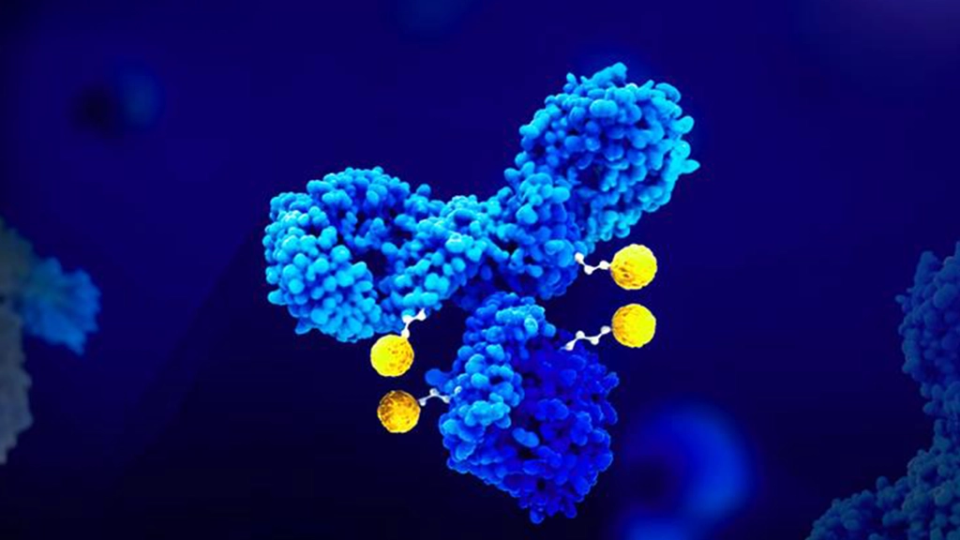
From Single to Dual Payloads: Why the Shift Matters
Traditional ADCs attach a cytotoxic drug (the payload) to an antibody via a linker. This has brought remarkable breakthroughs in oncology, especially in hematologic cancers and certain solid tumors. Yet, limitations remain-tumor heterogeneity, drug resistance, and limited payload mechanisms can blunt long-term responses.
Enter dual-payload ADCs. By combining two different mechanisms of action in one construct — say, a topoisomerase I inhibitor plus an RNA polymerase II inhibitor, or a microtubule inhibitor combined with a DNA damage agent — these molecules aim to hit cancer cells from multiple angles simultaneously. According to recent coverage, for example, KH815 (targeting Trop2) is the first dual-payload ADC to enter clinical trials in 2025.
This innovation is not just iterative-it could be transformational, enabling stronger responses in resistant tumors, improving depth of response, and potentially delaying or preventing relapse.
What Dual-Payload ADCs Bring to the Table
- Enhanced efficacy through synergistic mechanisms Combining two distinct payloads in one ADC allows the therapy to target multiple pathways within the tumor cell or microenvironment. This addresses the challenge of single-mechanism resistance — cancer cells that learn to evade one drug may still fall prey to another payload.
- Overcoming tumor heterogeneity Tumor populations are rarely uniform. Some cells might be sensitive to one class of toxin, others to a different one. Dual-payload ADCs increase the odds of reaching and eliminating a broader population of malignant cells.
- Optimized delivery and reduced systemic toxicity Because both payloads are delivered via the same antibody targeting system, exposure in non-tumor tissues may remain low compared to giving two separate drugs. The design nuances — linker stability, antibody specificity, and payload ratios — are critical to balancing potency and safety.
- Streamlined therapeutic regimen Instead of administering multiple drugs or combination regimens, a dual-payload ADC simplifies the therapy into a single molecular entity — potentially reducing complexity for patients and clinicians.
Engineering the Next Generation ADCs: Challenges and Innovations
While the promise is clear, engineering dual-payload ADCs is complex. Some of the key challenges include:
- Payload conjugation complexity: Attaching two different drugs to the same antibody demands sophisticated linker chemistry and conjugation techniques to maintain antibody stability, specificity, and controlled release.
- Drug-to-antibody ratio (DAR) optimization: Finding the right number and ratio of each payload to maximize tumor kill while maintaining manufacturing feasibility and tolerability is non-trivial.
- Toxicity management: Delivering two potent toxins increases the risk of off-target effects and cytokine release. Ensuring tumor-specific release and minimal healthy-tissue exposure is vital.
- Manufacturing and regulatory complexity: Dual-payload constructs are novel and will demand rigorous analytical validation, stability testing, and shorter risk margins in early clinical development.
Innovations are addressing these hurdles. New linker technologies — such as branched linkers or modular attachment platforms — allow site-specific loading of multiple payloads. Also, advanced modelling and AI-driven design are streamlining the selection of payload combinations and predicting safety profiles.
Clinical Momentum and Market Landscape
The timing could not be better. The article on dual-payload ADCs entering clinical trials in 2025 notes the rapid emergence of this class. As of now, more than a dozen dual-payload ADCs are being explored, spanning diverse tumor types and payload combinations.
This surge reflects several converging trends: the maturing of ADC technology, the escalation of resistance in oncology, and investor appetite for next-gen modalities. The commercial opportunity is significant — ADCs already represent a multi-billion-dollar segment, and dual-payload ADCs could accelerate that growth by expanding indications and improving response rates.
Pharma and biotech players are reacting accordingly. Big companies are investing in bispecific and dual-payload platforms; smaller innovators are developing niche pipeline assets focused on specific antigens or payload forks. The dual-payload ADC is becoming a strategic asset in the oncology toolbox.
Strategic Considerations for Developers and Investors
For developers and investors looking at this wave, several strategic levers are worth considering:
- Platform scalability: A dual-payload ADC platform should ideally support multiple antigen/payload combinations, reducing single-asset risk and enabling broader pipeline development.
- Patient differentiation: Targeting tumors with high unmet need — such as treatment-resistant solid tumors or antigens poorly served by first-generation ADCs — provides differentiation.
- Biomarker integration: Identifying patients who will benefit most from dual mechanisms (e.g., tumors with specific resistance markers) will drive clinical success.
- Supply chain and manufacturing readiness: Dual-payload ADCs require advanced manufacturing capabilities — partnering early with CDMOs and ensuring supply chain robustness is critical.
- Intellectual property strategy: With innovation in linker chemistry, payload combinations, and conjugation methods, robust IP coverage is a must to protect dual-payload assets and platform exclusivity.
What It Means for Patients
Ultimately, the true impact of dual-payload ADCs is judged by patient outcomes. For patients with aggressive or treatment-resistant cancers, the availability of more potent, targeted therapies offers real hope. The ability to address heterogeneous tumors, reduce relapse risk, and potentially improve quality of life by lowering systemic toxicity is a meaningful leap.
In practice, dual-payload ADCs could move from late-line therapies to earlier lines of treatment, or even become part of combination regimens with immunotherapy, cell therapy, or radiation. As technology matures, the vision of truly precision medicine, where each patient’s tumor biology dictates a custom payload combination, comes into focus.
The Road Ahead
The advancement of dual-payload ADCs signals a pivotal moment in oncology innovation. While there are challenges — scientific, regulatory, and commercial — the momentum is undeniable. As more clinical data emerges, manufacturing platforms mature, and regulatory frameworks adapt, dual-payload ADCs could redefine standard-of-care in oncology.
Here are some key areas to watch in the next 12–24 months:
- Initial trial read-outs of dual-payload ADCs in solid tumors and treatment-resistant settings
- Regulatory guidance on next-gen ADCs, including dual-payload formats
- Expansion of payload libraries beyond cytotoxins (e.g., immunomodulators, degraders, radionuclides)
- Increased partnering and licensing activity focused on dual-payload platforms
- Greater deployment of patient stratification and AI-driven biomarker tools to match ADC to tumor phenotype
In conclusion, antibody drug conjugates are evolving from one-payload precision weapons to multi-payload smart platforms — and this transition could change the very architecture of cancer drug development. As dual-payload ADCs evolve, they may offer oncologists new tools to outsmart tumor resistance, deepen responses, and deliver better patient outcomes.
메타데이터
- post_id
- 55aa9324e6b6
- slug
- how-antibody-drug-conjugates-are-advancing-with-dual-payload-innovation-55aa9324e6b6
- url
- https://medium.com/@mohit_90438/how-antibody-drug-conjugates-are-advancing-with-dual-payload-innovation-55aa9324e6b6
- canonical_url
- https://medium.com/@mohit_90438/how-antibody-drug-conjugates-are-advancing-with-dual-payload-innovation-55aa9324e6b6
- author_url
- https://medium.com/@mohit_90438
- status
- ok
- fetched_at
- 2026-08-09 00:10:06