Chefs and Restaurateurs Behaving Badly
How bullying, intimidation and dishonesty became part of restaurant culture
Chefs and Restaurateurs Behaving Badly
How bullying, intimidation and dishonesty became part of restaurant culture
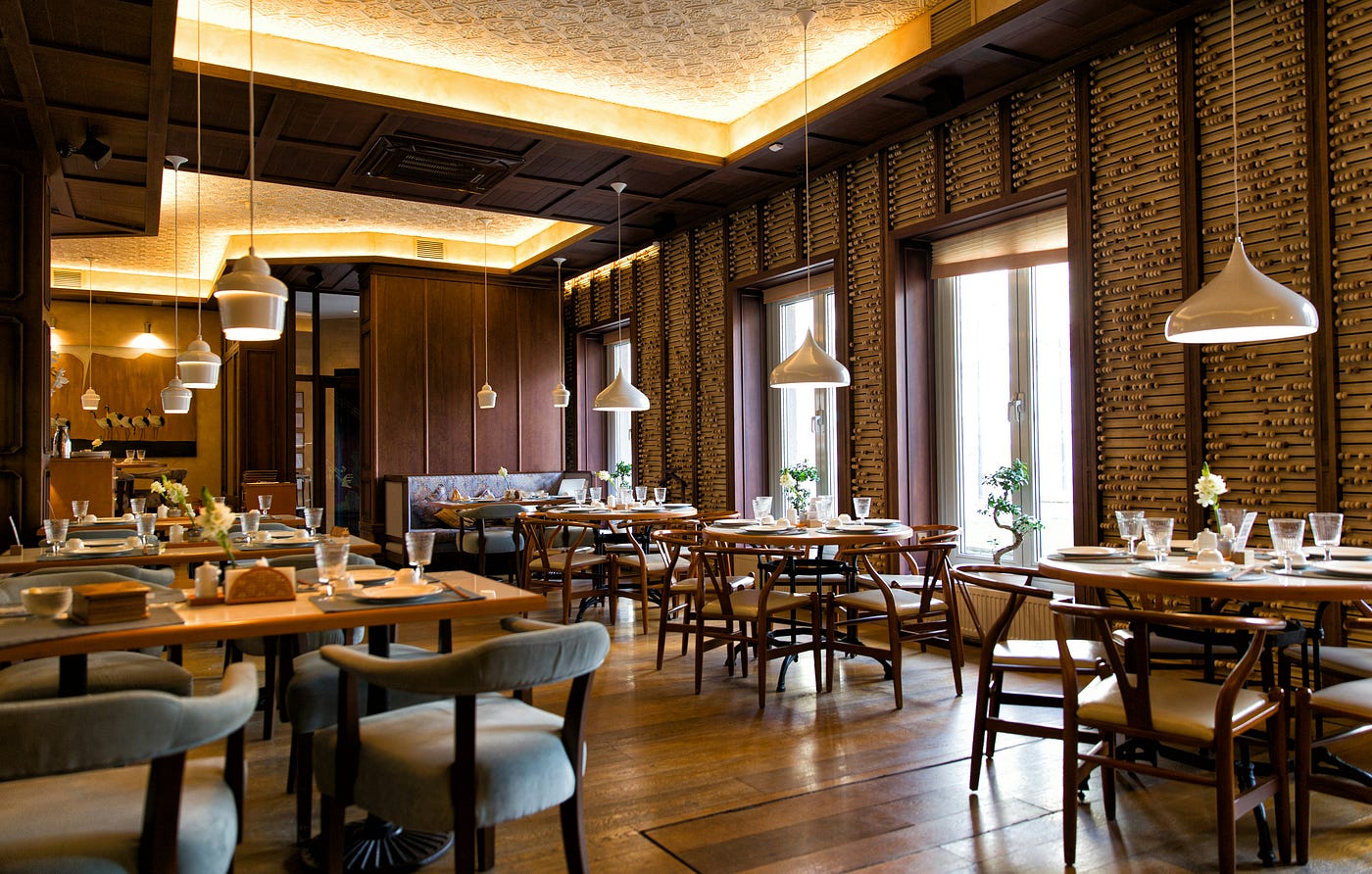
Restaurant dining room with tables and chairs Photo by Glenov Brankovic on Unsplash
In March 2026, a famous Danish chef, René Redzepi, brought his pop-up restaurant to Los Angeles for a season. He was accompanied by more than a hundred of his staff and trainees to recreate California-style versions of dishes that had made his Copenhagen restaurant, ‘Noma’, famous. Fame that had catapulted him into the ranks of culinary superstars after winning best restaurant in the world five times.
The cost of the dining experience: $1,500 for a 15-course tasting menu based on ingredients sourced from the California region, accompanied by matching beverages, such as wines from top local vineyards, prompted a flurry of stories on the high price and whether any meal was worth that much.
But more importantly, there were articles in the New York Times that took a different approach. They resurrected the topic of Chef Redzepi’s behaviour. His conduct was no secret in the world of fine dining, but it had been largely brushed aside by enthusiastic fans of his food, his culinary groupies. One article attracted lots of comments. One was mine. I was speaking from experience.
I worked as a chef for over 30 years, primarily in Australia. I am basically self-taught, learning to cook from observation, trial and error; reading a mountain of cookbooks and eating out a lot in Australia and in restaurants around the world. I got most of my experience by working in many different restaurant environments both in permanent positions as well as casual. So it’s been easy for me to observe the behaviour of many chefs as well as restaurant owners. Some of the revelations of people who worked for Chef Redzepi or his proteges didn’t really surprise me.
For a long time, restaurants in Australia had a workplace culture where employees (many of whom were immigrants) were often subjected to physical and emotional abuse, or sexist and racist behaviour, by powerful chefs. It was behaviour that people were often terrified to speak out about. Little was done to correct the behaviour of the offenders. Mostly their employers looked the other way.
But when abuse happens, whether the person is a waiter, an apprentice chef or a trainee cook perhaps passionate about working in the industry, it crushes their dreams and causes psychological damage. Often it makes them just walk away from the industry.
Frequently, I worked for Melbourne hospitality casual staff agencies. I was often sent out as an extra pair of hands for function work, but mainly it was to replace sick kitchen staff, people who had been fired often on the whims of a head chef, or staff who had just quit. Many of the chefs in these kitchens were habitual offenders and saw their behaviour as normal or even something to boast about.
I recently finished reading the autobiography of famous English chef, restaurateur and TV personality, Marco Pierre White. White is the man who allegedly made another culinary superstar and villain, Gordon Ramsay, cry when White was his boss.
In White’s book ‘The Devil in the Kitchen’, he writes about his life, his culinary career and his maniacal desire to become one of the best chefs in the UK. The book is an egotistical and boastful exposé of his bully boy tactics in running a kitchen. He details ad nauseam the bollockings he gave kitchen staff, often in front of other kitchen staff. It was conduct motivated, presumably, by White’s desire for perfectionism but copied the sadistic, over-the-top behaviour he had experienced in English kitchens that he had trained in.
White, in his book, describes how he was ruthlessly determined to excel, to win fame and culinary acclaim by achieving three hats in the Michelin Guide. He acknowledges his bad behaviour, admitting he was not the best-behaved boy in the various kitchens he worked in, as well as boasting about being called the ‘rudest’ chef in London. There’s little in his autobiography to suggest he is even the slightest bit remorseful or repentant. The bully boy tactics he describes read more like a badge of honour he wore and still wears proudly.
In my own career, I have watched chefs throw pans at dishwashers, screaming and throwing temper tantrums. And abusing wait staff. In one kitchen I briefly worked in, I watched the owner/chef tip a large pot of hot soup over his kitchen floor. It had not been made exactly the way he wanted.
Because I am not formally trained, my skill set did not run to working in fine dining establishments, so I was largely spared the toxic kitchen environments that some chefs cultivated and that owners often overlooked. Kitchen bastardry and callous behaviour are learned behaviour modelled on what the culprits have themselves experienced. I mainly worked in small restaurants or ones owned by Italian families and was treated as a valuable member of staff. Kitchen staff I worked with, such as kitchen hands and apprentices, often became friends.
But I also experienced challenges. I sometimes had problems extracting the correct pay, holiday entitlements and employers trying to dodge lodging proper tax on my behalf.
The bad behaviour of chefs has been compounded by a common practice in the hospitality trade: wage theft by restaurant owners.
In Australia, there have been numerous scandals over wage claims. These problems often occurred in restaurants where the chef was also the owner. One well-known celebrity chef, George Calombaris, a judge on Australian MasterChef and the co-owner of many successful eateries, was busted for wage theft. He was seemingly unaware that his staff were not being paid correctly. He pleaded ignorance, but his crime was made even more egregious by being involved in a mental health initiative for people working in hospitality that focused on long hours and stress.
Long hours and poor pay typically cause stress, especially for chefs and hospitality staff who often work unsociable hours away from families or partners.
In some famous award-winning Australian restaurants, some chefs routinely worked 70-hour weeks, yet they were not receiving correct pay for hours worked and penalty entitlements for overtime. Restaurants for a long time, and especially since Covid, have faced low profits, high rents and food costs as well as staff shortages. Cutting the pay of chefs has, up to now, been a common way to cut expenses. In Australia, many well-known celebrity chefs have become wealthy on the backs of staff who worked long hours, often for lousy pay.
Redzepi’s Copenhagen restaurant, ‘Noma’, relied heavily on unpaid labour. By virtue of being one of the top restaurants in the world, it attracted many young chefs who would willingly work for nothing in return for the honour of putting the name of a famous eatery on their resume.
You can argue that working long hours for no pay is a trade-off that people can choose to make. But it creates an environment where workers have no employment rights and are vulnerable to being exploited. In the ‘Noma’ kitchens, the problem went way beyond just staff working for free and having to pay for their own accommodation.
Working for a cult chef and sacrificing their time and paying for the privilege by paying for lodgings in Copenhagen, an expensive Scandinavian capital city, they also had to contend with an abusive workplace. Until recently, abuse has largely been normalised in many restaurants, although there have been many reports and investigations of sexual harassment and misogyny. These allegations have been glossed over or conveniently ignored by restaurant reviewers, influencers and dining out guides like the Michelin.
Sustainable practices, including the way staff are treated, may be encouraged by guides but up until now have not been insisted upon. In the rarified air of fine dining, the difference between two hats or three is often just based on metrics such as the décor of the restaurant dining room, the originality of the chef and whether it’s worth a special trip to eat there. The working conditions of restaurant staff are not high on the list of priorities of restaurant guide judges who flit from one culinary shrine to another.
But things are slowly starting to change.
The billionaire owner of a Sydney hospitality and property empire was forced to pay $20 million in damages to more than 2800 current and former staff who alleged wage theft under an invalid employee enterprise agreement. The payout settled a class action lawsuit launched in 2019 which claimed the hospitality group underpaid as many as 14,000 staff up to $129 million over six years. A good food guide owned by the Sydney Morning Herald stripped restaurants in the chain of their awards, saying emphatically that their guide could only include businesses where staff were free from harm and sexual harassment. And paid properly.
A sushi chef in Hawaii successfully sued the owners of the restaurant for the psychological trauma and the repeated physical abuse he had received from the head chef he had worked under. He was awarded $3.15 million in damages for his injuries, which included a damaged rotator cuff.
Workplaces and employers are now being dragged kicking and screaming to implement changes. Often through sheer necessity. Negative press in the era of social media can destroy reputations, often overnight. The ongoing chronic shortage of good chefs and waiters means restaurants are now competing with other establishments that may be offering staff vastly superior working conditions.
The era of egotistical chefs–parodied in a 2022 movie, ‘The Menu ’—who perpetuate a culture of animosity in the kitchens they run and promote hostility with dining room staff may finally be drawing to an end. Good leadership doesn’t mean an environment devoid of the discipline that is required to run a busy kitchen. But it is unobtrusive and works like a well-oiled machine. No screaming and hissy fits. Gordon Ramsay’s temper tantrums and meltdowns in front of the cameras while filming his television shows, and milking his brand for extra income, might make exciting television, but it’s not an effective way to run a kitchen.
A fine dining restaurant on an island off the coast of Washington state closed down after a New York Times article about complaints from former employees alleging 16–18-hour days, verbal and sexual abuse, and harassment. The owner, a Redzepi disciple, was also outed for claiming ingredients he was using for his culinary creations were all locally grown or foraged. They weren’t. He was also relying on mainland suppliers. Employees filed a class action and received compensation for wrongful termination, wage theft and abusive working conditions. Bad publicity is a death sentence. The restaurant closed shortly after.
In a half-hearted apology, René Redzepi said he didn’t acknowledge all the accusations by former staff but said he recognised how his past behaviour discussed in them was harmful. He apologised to those who had suffered under his leadership.
It was a belated attempt to make amends particularly after revealing in a 2015 essay that he had always been a bully.
메타데이터
- post_id
- 564eb5f5f2c4
- slug
- chefs-and-restaurateurs-behaving-badly-564eb5f5f2c4
- url
- https://medium.com/the-springboard/chefs-and-restaurateurs-behaving-badly-564eb5f5f2c4
- canonical_url
- https://medium.com/the-springboard/chefs-and-restaurateurs-behaving-badly-564eb5f5f2c4
- author_url
- https://medium.com/@stephentrevarthen
- status
- ok
- fetched_at
- 2026-06-09 18:51:35