Beyond Detection: Learning Evasion and Exploitation in Real Environments
Modern security controls are built to detect known patterns, flag suspicious behavior, and stop common attack techniques. However…
Beyond Detection: Learning Evasion and Exploitation in Real Environments
Modern security controls are built to detect known patterns, flag suspicious behavior, and stop common attack techniques. However, attackers are constantly adapting. They refine their methods to bypass detection, blend in with normal activity, and exploit systems without raising alerts.
To understand these techniques, security professionals need more than theory. Platforms like Cyberwarfare Labs provide environments where real attack scenarios can be practiced, while programs such as Certified exploit development professional focus on building deep technical skills through the **best cyber evasion & exploitation course supported by practical cyber security labs**.
These training paths are designed to reflect how real attackers operate when stealth and precision are required.
The Shift from Detection to Evasion
Traditional security focuses on detecting known threats. Attackers, on the other hand, focus on avoiding detection altogether.

Instead of triggering alerts, modern techniques aim to:
• Blend malicious actions with legitimate system activity • Use trusted system tools instead of custom malware • Execute commands in a controlled and low-noise manner • Avoid leaving obvious traces in logs and monitoring systems
Understanding these behaviors is a key part of the best cyber evasion & exploitation course, where the focus is on how attackers stay hidden.
Why Exploitation Still Matters
While evasion helps attackers stay undetected, exploitation is what gives them control. It allows them to move from a simple vulnerability to full system access.
This requires a deeper understanding of how software behaves, including:
• How memory is managed during execution • How inputs are processed and validated • How vulnerabilities can be triggered reliably • How execution flow can be controlled
Learning these concepts through practical cyber security labs helps professionals connect theory with real-world attack scenarios.
A Different Way to Approach Learning
Evasion and exploitation are not skills that can be learned through reading alone. They require experimentation, observation, and repeated practice.
In structured environments, learners typically:
• Trigger vulnerabilities and observe system behavior • Analyze how security controls respond to different actions • Modify techniques to reduce detection • Build and refine working exploits step by step
This hands-on approach is what defines a best cyber evasion & exploitation course, where learning comes from doing rather than memorizing.
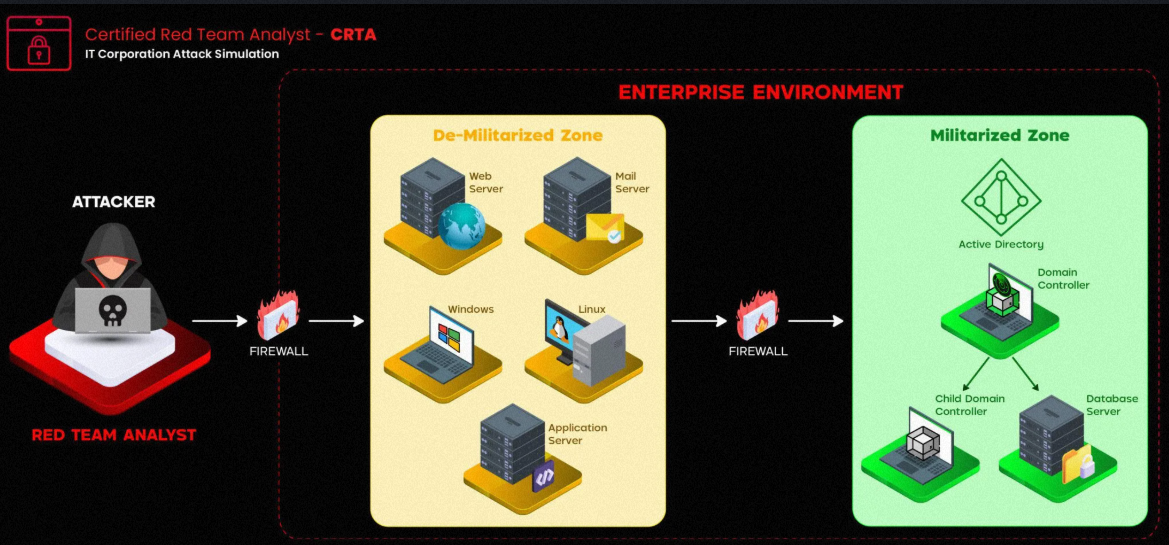
Certification process for this course

What You Actually Practice
Understanding System Behavior
Before attempting evasion or exploitation, it is important to understand how a system normally behaves. This baseline helps identify what changes during an attack.
Testing Evasion Techniques
Learners experiment with different ways to execute actions without triggering alerts. This includes adjusting command execution, timing, and tool usage.
Developing Exploits
Exploitation exercises focus on turning vulnerabilities into controlled outcomes, such as gaining access or executing code.
Observing Detection Mechanisms
Working inside practical cyber security labs allows professionals to see how monitoring tools react, helping them understand both attacker and defender perspectives.
Practical Learning Through Labs
Hands-on labs are where these skills come together. Instead of isolated tasks, learners work through realistic scenarios that combine evasion and exploitation.
Typical lab activities include:
• Executing commands while minimizing detection • Exploiting vulnerabilities in controlled environments • Observing how logs and alerts are generated • Adjusting techniques to bypass security controls
These practical cyber security labs provide a safe space to experiment and learn from mistakes.
Who Should Focus on This Area
• Security professionals moving into advanced offensive roles • Penetration testers looking to improve technical depth • Red teamers focusing on stealth techniques • Researchers studying attacker behavior • Individuals aiming for the best cyber evasion & exploitation course
Industry Relevance
As security tools become more advanced, attackers are focusing more on evasion. Simply detecting threats is no longer enough if attackers can bypass those detections.
Organizations now require professionals who understand both how attacks work and how they avoid detection. This has increased the importance of training that combines evasion techniques with exploitation skills.
Programs built around the best cyber evasion & exploitation course and supported by practical cyber security labs help bridge this gap by focusing on real-world scenarios.
Final Thoughts
Evasion and exploitation represent a deeper level of cybersecurity understanding. They require not just technical knowledge, but also the ability to think critically about how systems behave under attack.
By working through hands-on scenarios in **practical cyber security labs**, professionals can develop the skills needed to analyze, simulate, and understand advanced attack techniques in a realistic and controlled environment.
메타데이터
- post_id
- 569971ead4ce
- slug
- beyond-detection-learning-evasion-and-exploitation-in-real-environments-569971ead4ce
- url
- https://medium.com/@jacobwilsonusa1/beyond-detection-learning-evasion-and-exploitation-in-real-environments-569971ead4ce
- canonical_url
- https://medium.com/@jacobwilsonusa1/beyond-detection-learning-evasion-and-exploitation-in-real-environments-569971ead4ce
- author_url
- https://medium.com/@jacobwilsonusa1
- status
- ok
- fetched_at
- 2026-06-09 15:37:30