5 Myths About Reef-Safe Sunscreens Debunked
As consumers become increasingly environmentally conscious, reef safe sunscreen has become one of the fastest-growing trends in sun care…
5 Myths About Reef-Safe Sunscreens Debunked
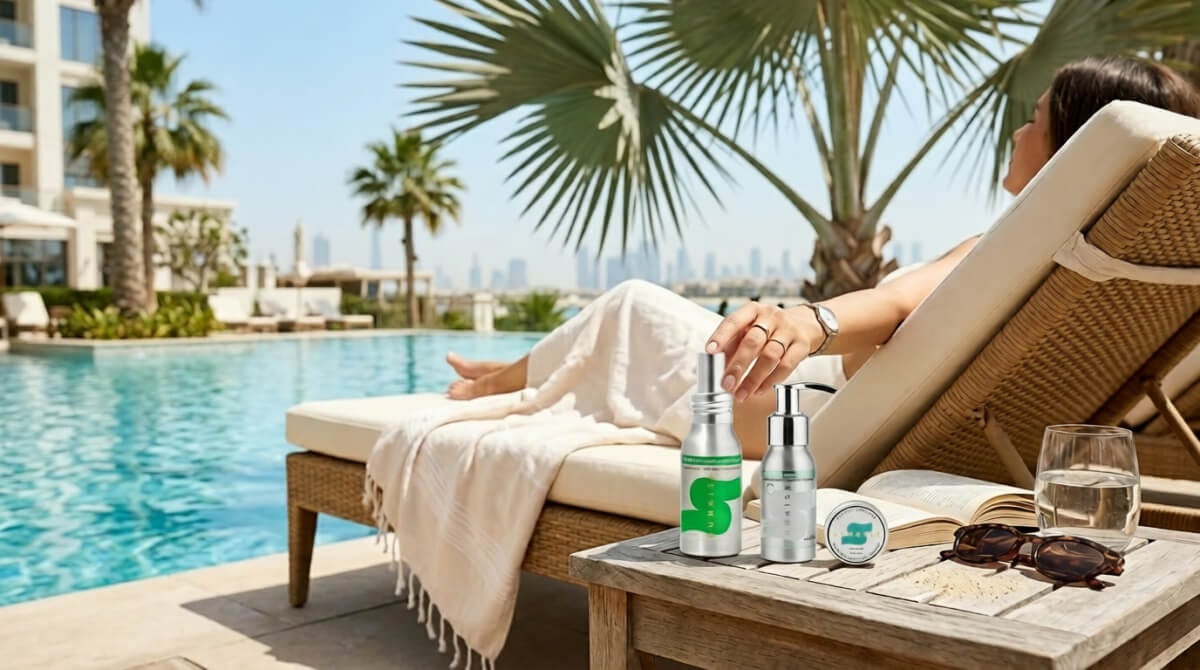
As consumers become increasingly environmentally conscious, reef safe sunscreen has become one of the fastest-growing trends in sun care. Many travelers, beachgoers, and skincare enthusiasts are now looking for products that help protect both their skin and marine ecosystems.
However, there is still a great deal of confusion surrounding the term. Many people wonder what is reef safe sunscreen, how it works, and whether it provides effective sun protection. Let’s debunk some of the most common myths and separate fact from fiction.
Myth 1: Reef-Safe Sunscreen Provides Less Protection
One of the biggest misconceptions is that reef safe SPF products offer weaker protection than conventional sunscreens.
In reality, many reef friendly sunscreen products provide broad-spectrum protection against both UVA and UVB rays. Modern formulations can offer high SPF ratings, water resistance, and long-lasting coverage that effectively protects the skin during outdoor activities.
Choosing a reef-safe product does not mean compromising on sun protection. The key is selecting products that deliver reliable performance while supporting more environmentally responsible formulations.
Myth 2: All Natural Sunscreens Are Reef Safe
Many people assume that any natural or organic sunscreen automatically qualifies as a coral reef safe sunscreen. However, the term “natural” does not always indicate environmental safety.
The answer to what is reef safe sunscreen often depends on the specific ingredients used in the formulation. Certain UV filters have raised environmental concerns, while others are generally considered more suitable for marine environments.
Consumers should always review ingredient lists and product claims carefully rather than relying solely on marketing terms.
Myth 3: Mineral Sunscreens Are Always Reef Safe
Many consumers believe that every mineral reef safe sunscreen is automatically environmentally friendly. While mineral-based formulas often use ingredients such as zinc oxide or titanium dioxide, not every product follows the same standards.
Product formulation, ingredient quality, and manufacturing practices can all influence a product’s environmental impact. Some mineral sunscreens may also contain additional ingredients that consumers may wish to evaluate.
Understanding reef safe sunscreen ingredients helps shoppers make more informed decisions when selecting sun care products.
Myth 4: Reef-Safe Sunscreen Is Only Necessary at the Beach
Another common myth is that reef safe sun protection only matters when swimming in tropical waters.
In reality, many people choose eco friendly sunscreen as part of their everyday skincare routine because they prefer products designed with both skin health and environmental considerations in mind. Whether you are spending time outdoors, exercising, traveling, or enjoying a vacation, choosing responsible sun care products can support broader sustainability goals.
Consumers increasingly view reef-safe products as part of a conscious lifestyle rather than a vacation-only purchase.
Myth 5: Reef-Safe Sunscreens Are Expensive
Some shoppers assume that the best reef safe sunscreen products always come with premium price tags. While certain luxury brands may cost more, many reef-friendly formulations are now widely available across different price ranges.
As consumer demand continues to grow, manufacturers are introducing more affordable options without sacrificing quality or performance. This makes reef safe sunscreen accessible to a wider audience seeking both effective sun protection and environmentally responsible products.
Understanding Reef-Safe Sunscreen Ingredients
When evaluating reef safe sunscreen ingredients, consumers often look for formulas that avoid certain chemical filters while incorporating ingredients that provide effective UV protection.
Many mineral reef safe sunscreen products use zinc oxide or titanium dioxide as active ingredients. These ingredients can offer broad-spectrum protection while appealing to consumers seeking alternative sunscreen options.
Reading ingredient labels and choosing reputable brands can help ensure you select products that align with your personal values and skincare needs.
Choose Smarter Sun Protection with SunKiss
As awareness about environmental sustainability grows, consumers are paying closer attention to the products they use every day. Understanding what is reef safe sunscreen allows you to make informed choices that support both skin health and responsible sun care practices.
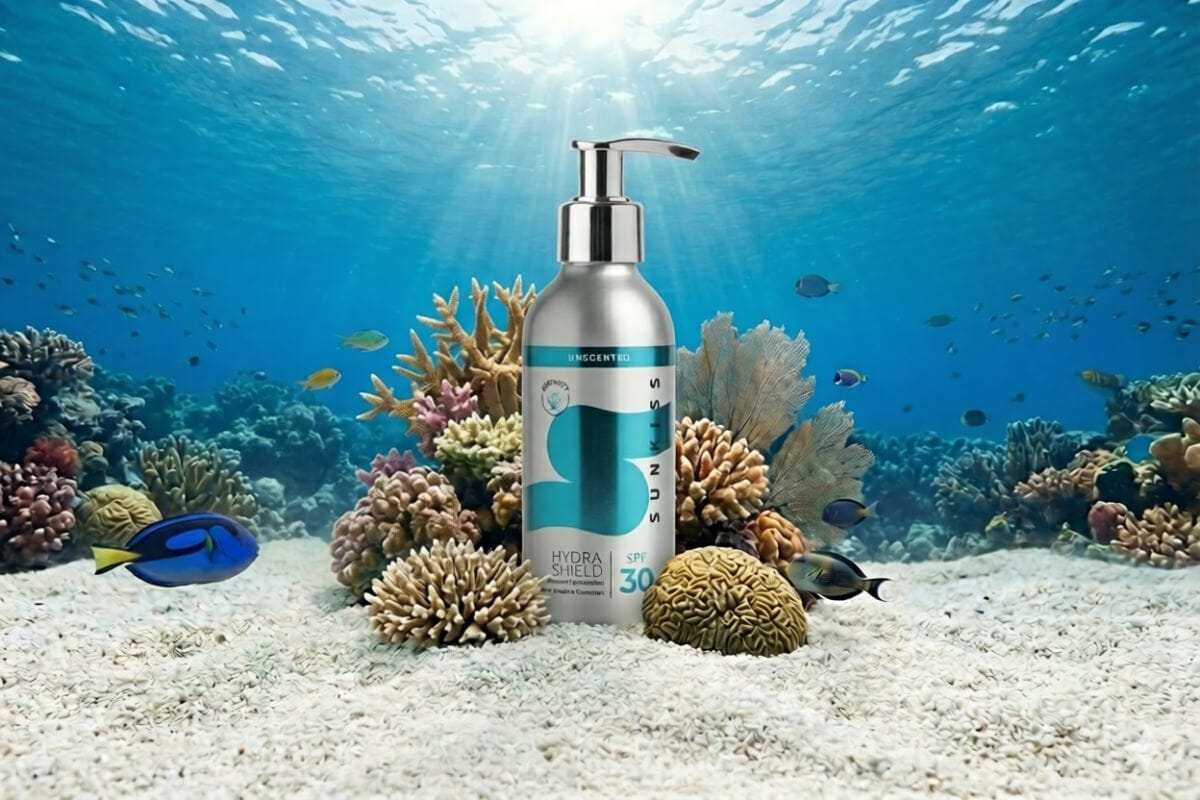
SunKiss is committed to providing effective sun protection solutions that prioritize performance, skin comfort, and thoughtful product development. Whether you’re searching for reef friendly sunscreen, eco friendly sunscreen, or dependable reef safe sun protection, choosing the right sunscreen can help protect your skin while supporting a more sustainable future.
The next time you shop for sunscreen, look beyond the myths and choose products that deliver both protection and peace of mind.
For More Info Visit At: https://sunkissme.com/blogs/news/what-does-reef-safe-really-mean-the-truth-behind-the-label
메타데이터
- post_id
- 56bafaa5039b
- slug
- 5-myths-about-reef-safe-sunscreens-debunked-56bafaa5039b
- url
- https://medium.com/@sunkissmeseo/5-myths-about-reef-safe-sunscreens-debunked-56bafaa5039b
- canonical_url
- https://medium.com/@sunkissmeseo/5-myths-about-reef-safe-sunscreens-debunked-56bafaa5039b
- author_url
- https://medium.com/@sunkissmeseo
- status
- ok
- fetched_at
- 2026-07-18 05:23:42