Money on a Night Shift: Rollover & Swap
∀x∈R,f(x)=n→∞limi=1∑nxiΔxi+∇⋅F(x)±σ
Money on a Night Shift: Rollover & Swap
∀x∈R,f(x)=n→∞limi=1∑nxiΔxi+∇⋅F(x)±σ
et Xt∈R, then as Δt→0,dXt=μXtdt+σXtdWt,E[Xt∣Fs]=Xs, and σ2=const.
Got the mathematical term? I didn’t get it either. Back in 9th grade, I used to cry whenever I saw a math term. (You think that’s funny? Well, honestly, it is kind of funny!)
Believe it or not, I’ve always hated math. I used to find it hard, and honestly, I still hate it — like right now, just thinking about it. But practicing in demo account helped me a lot from being a crying baby. Seriously
However, I followed an easy method to understand mathematical terms in trading, and now I’ve made it simple for you. Let’s explore it.
Account balance is a very normal term. Your account balance always shows your total after profit and loss. It’s the current amount in your account. But in trading, it’s important to make sure you’re following risk capital.
You might be thinking: if a capital is related to the term “risk,” does that mean trading is risky? While that question might sound funny to some, I believe you should know everything before starting trading.
Forex trading gives you a great opportunity where you don’t have to worry about losing money needed for your basic needs. For example, you need money for food, bills, transportation, and medical expenses. After saving for these essentials, any extra money should be kept as risk capital. So your FX account not only protects your trading funds but also safeguards your future; that’s why it alerts you about risk capital.
Now, you can even earn money from your Deriv broker . So far, you’ve probably heard that brokers take a small amount from you through spreads. But in some cases, the broker can also give you money (it’s like Thanksgiving, where both the trader and broker want to give something — jokes aside).
But think about it, if a broker is giving you something, there must be some rules. Let’s investigate like a private detective:
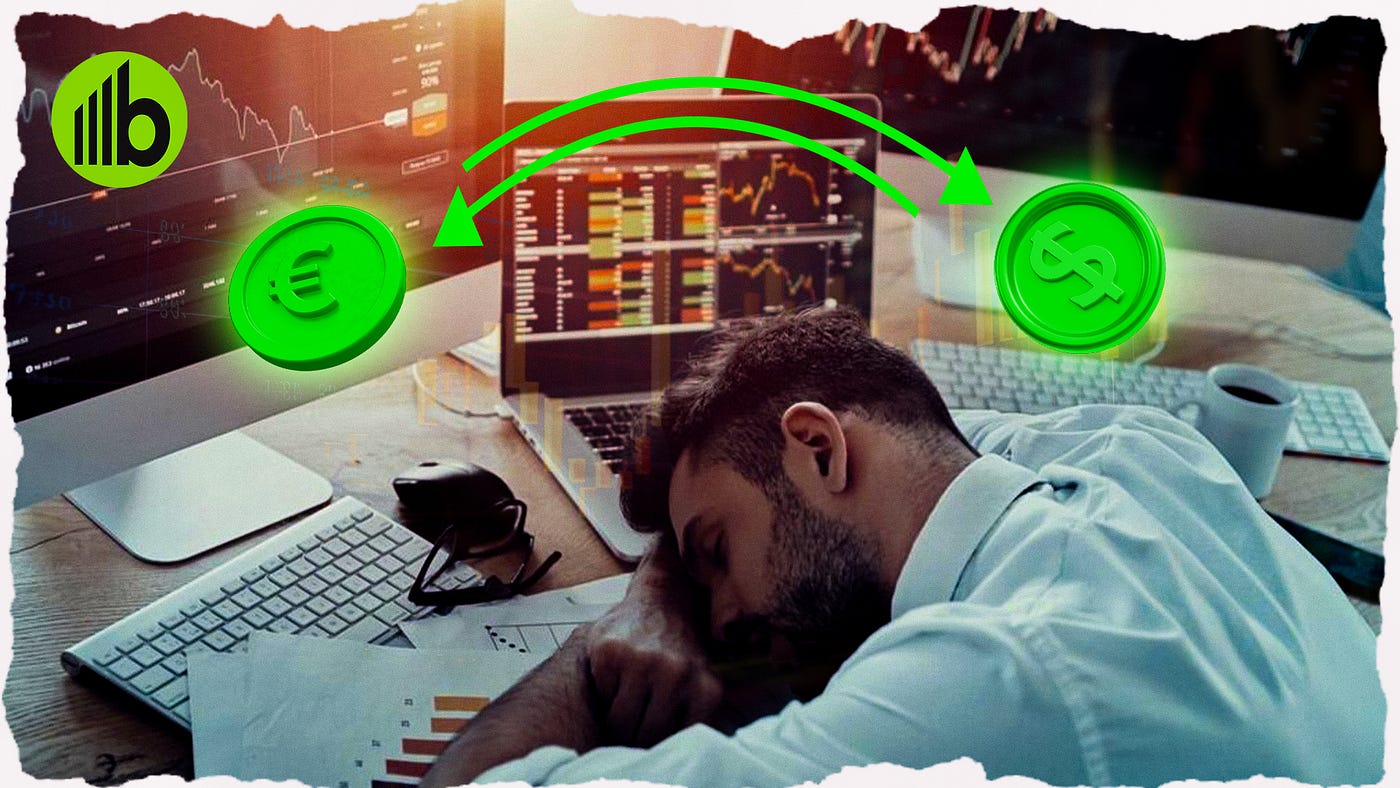
Alex is a trader. One day, he decides to keep his account open all the time, even while he’s sleeping — this is known as rollover. The next day, he notices that some money has been deducted from his account. After some searching, he finds that keeping the trade open overnight can either add or deduct money, and this process is called a swap.
Curious, Alex digs deeper. He had bought EUR/USD, which means he bought euros and sold dollars. At that time, the interest rate was EUR = 3% and USD = 5%. Since the currency he bought had a lower interest rate, the broker deducted a small amount.
The next day, Alex checks the interest rates again, and his broker also shows him the swap fee. He follows the rollover process once more, and this time, a small amount is added to his account because the EUR’s interest rate is now 5% and the USD’s is 3%.
After a while, Alex goes to the bank to withdraw money. He wonders, what’s the actual benefit for the broker in deducting or adding money? A bank employee tells him, “Mr Alex, we can give you a 9% interest rate if you open an account here.” That’s when Alex realises why brokers and banks are always eager to offer interest: the actual amount you earn is slightly adjusted in their favour. Whether they give you a lower amount or gain a bit extra from you, it’s how they make money. Start your trading journey with Deriv and turn complex market concepts into practical experience.
But I think they deserve it — it’s their job. And if they are trustworthy, they won’t deduct large amounts from you.
I hope everything is now easy to understand with my explanation. So please don’t turn into a crying baby like I did every time I saw a math term!
메타데이터
- post_id
- 5783be2dbee0
- slug
- money-on-a-night-shift-rollover-swap-5783be2dbee0
- url
- https://medium.com/@evileena-b/money-on-a-night-shift-rollover-swap-5783be2dbee0
- canonical_url
- https://medium.com/@evileena-b/money-on-a-night-shift-rollover-swap-5783be2dbee0
- author_url
- https://medium.com/@evileena-b
- status
- ok
- fetched_at
- 2026-06-23 03:48:11