A Brief History Of Gingerbread
“Run, run, as fast as you can! You can’t catch me, I’m the Gingerbread Man!” You must have all been familiar with this famous line from the…
A Brief History Of Gingerbread
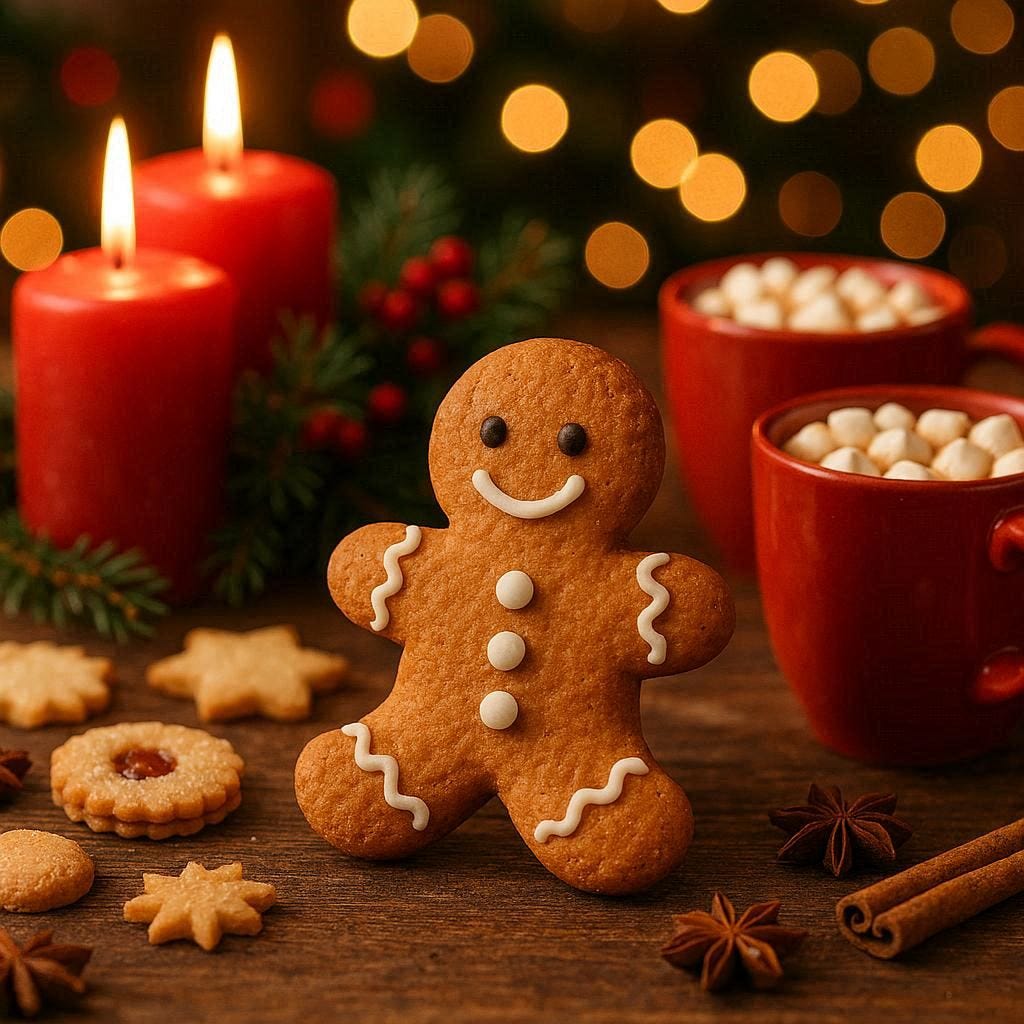
“Run, run, as fast as you can! You can’t catch me, I’m the Gingerbread Man!” You must have all been familiar with this famous line from the children’s fairy tale. The Gingerbread man is an important symbol of Christmas festivities. Not only is it enjoyed as a treat, but also used as a Christmas decoration.
This smiling, spicy and sweet little treat has origins more magical than its fairy tale . Lets dive into its brief history.
The Origins
The term gingerbread refers to preserved ginger. Gingerbread is derived from the French term pain d epices (means “spice bread”) or the German term Lebkuchen or Pfefferkuchen (pepperbread, or pepper cake). Early versions of gingerbread can be traced back to ancient Egypt and Greece . They were not considered cakes then. They were made by combining honey, spices, and grated or stale bread. The result was dense and strongly flavored.
According to a French legend, gingerbread was introduced to Europe in 992 by an Armenian monk named Gregory of Nicopolis. He shared his knowledge with priests and fellow Christians. With Middle Eastern traders turning up for business via trade routes, the popularity of Gingerbread increased. They were sold in monasteries, pharmacies and even in town square farmers’ markets.
Photo by Oriol Portell on Unsplash
Gingerbread as an art
Gingerbread was considered a luxury item in the middle ages. It was crafted into elaborate shapes like flowers, castles, and religious figures at fairs. It was customary to bake biscuits and decorate them as ornaments for windows. This was seen as a status symbol. The gingerbread bakers belonged to separate professional baker guilds. Only professional gingerbread bakers were permitted to bake gingerbread except at occasions like Christmas and Easter, when everyone was allowed to bake it. In other words, gingerbread was so exclusive it needed a license except on Christmas.
Photo by Casey Chae on Unsplash
Superstitious beliefs
There was a lot of superstitions surrounding gingerbread. Gingerbread was believed to have magical powers . People in Europe used it as a talisman, to offer protection against evil spirits. Gingerbread reliefs depicting patron saints were often gifted on a person’s name day, celebrating the saint associated with their name. In some cultures, gifting a gingerbread heart could make someone fall in love with you. Maybe next time, try gifting a gingerbread cake , instead of a rose, It might work out for you.
Photo by Jennie Razumnaya on Unsplash
Gingerbread’s Royal Connection
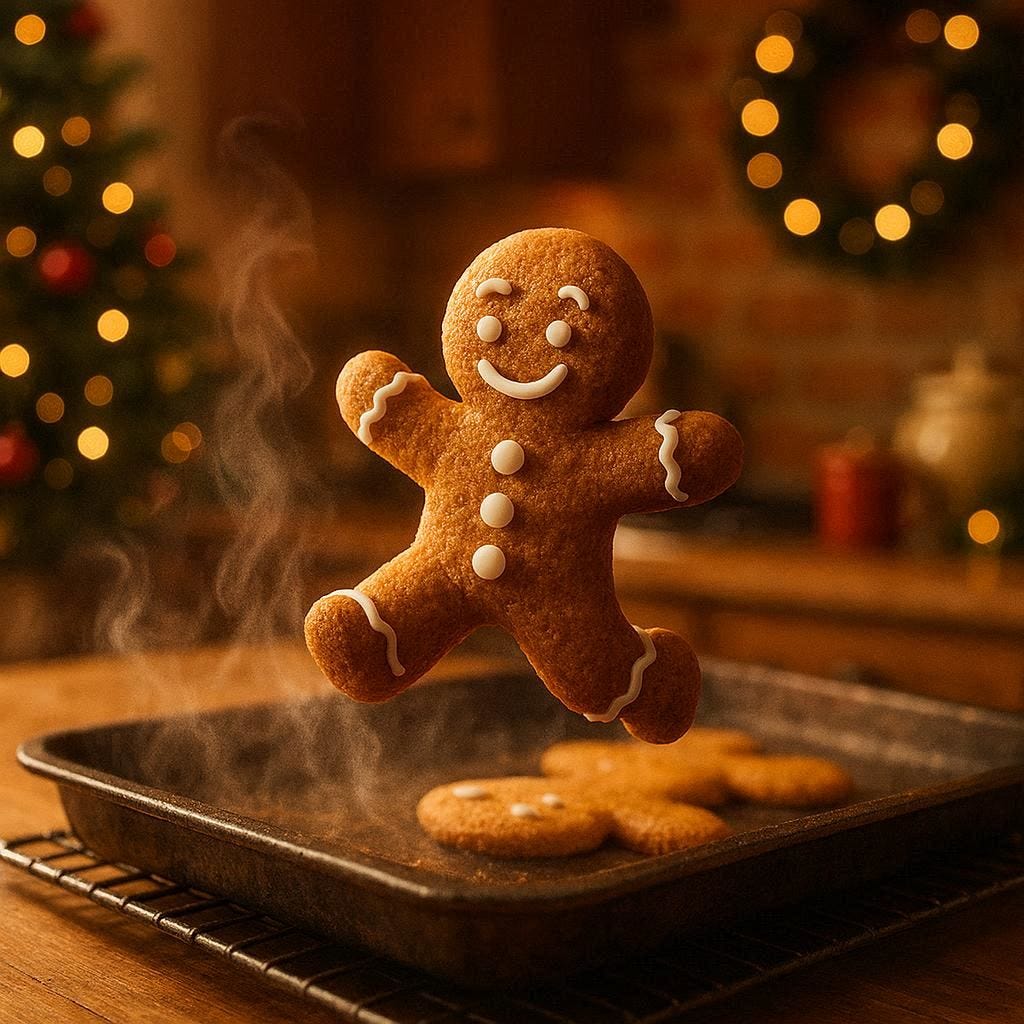
Gingerbread’s popularity soared in the 16th century when it arrived at the royal court of Queen Elizabeth I. She ordered her royal bakers to make gingerbread cookies that resembled visiting dignitaries, complete with icing details. This was a form of clever diplomacy and entertainment for lavish banquets, turning this sweet treat into personalized, edible gifts. This gave rise to the Gingerbread Man. Around this time, Gingerbread recipes became closely guarded secrets, passed down through generations of bakers. Each region in Europe developed its own twist .Some softer, some crispier, but all infused with warming spices.
Rise of Gingerbread Houses
Inspired by the Brothers Grimm’s Hansel and Gretel, bakers in Germany began constructing edible houses out of gingerbread and decorating them with candy. Nuremberg in Germany, still holds a reputation for regulating gingerbread production. Gingerbread houses quickly became a Christmas tradition, symbolizing creativity, warmth, and family togetherness.
Photo by Stephanie Klepacki on Unsplash
Gingerbread in America
Americans made their own versions of Gingerbread cookies by replacing honey with maple syrup and bread with flour. Nevertheless, they were very popular. So much was its popularity that even George Washington’s mother was famous for her gingerbread recipe, which was served to guests at Mount Vernon!
Today, gingerbread cookies are a symbol of holiday cheer. From decorating houses to baking cookies shaped like snowmen and stars, they remind us of the joy and warmth of the season. And while the recipes have changed, the tradition has stayed the same ,bringing people together.
Happy Christmas , here is a fun story on Gingerbread man
https://youtube.com/shorts/Gk5mh6D8Lds
Have a Nice day
메타데이터
- post_id
- 587af2a2aff2
- slug
- a-brief-history-of-gingerbread-587af2a2aff2
- url
- https://medium.com/@lakskp27/a-brief-history-of-gingerbread-587af2a2aff2
- canonical_url
- https://medium.com/@lakskp27/a-brief-history-of-gingerbread-587af2a2aff2
- author_url
- https://medium.com/@lakskp27
- status
- ok
- fetched_at
- 2026-07-20 08:15:26