Using AI to Detect Waste Pollution: How Computer Vision Can Help Build a Cleaner Planet
Waste pollution is one of the most visible environmental challenges facing cities and communities across the world today. From plastic…
Using AI to Detect Waste Pollution: How Computer Vision Can Help Build a Cleaner Planet
Waste pollution is one of the most visible environmental challenges facing cities and communities across the world today. From plastic waste scattered across streets to illegal dumping sites and overflowing garbage zones, unmanaged waste affects ecosystems, public health, and urban living standards.
While governments and organizations are making efforts to improve waste management, traditional monitoring methods often rely on manual inspections, reports from citizens, or periodic field visits. These approaches can be slow, inconsistent, and difficult to scale across large geographic areas.
This is where Artificial Intelligence and Computer Vision can make a significant difference.

Waste Annotation Services For Pollution Detection | Wisepl
The Role of AI in Waste Pollution Detection
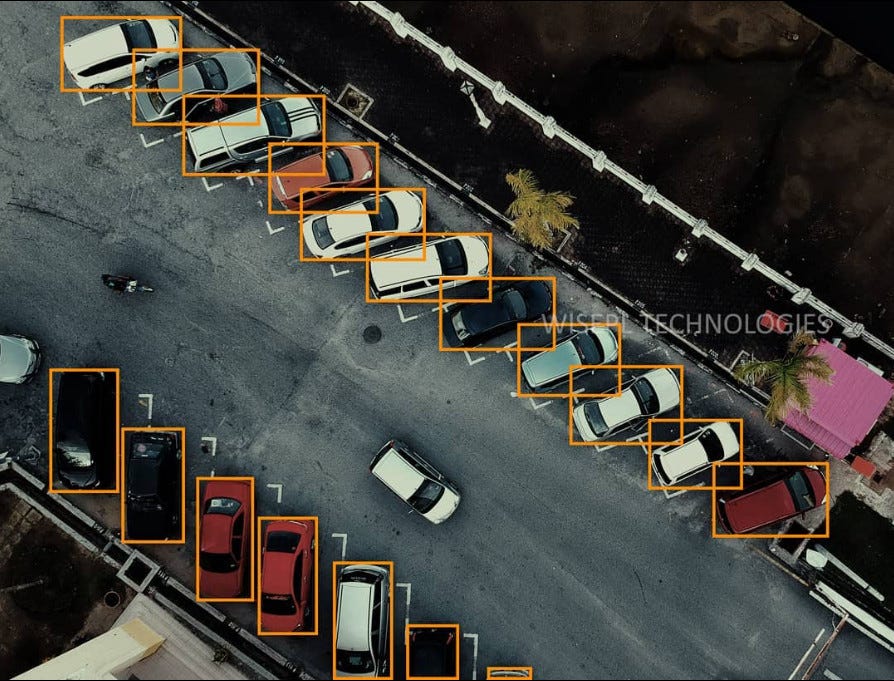
Modern AI systems can analyze images, videos, and satellite data to automatically detect objects within an environment. Using object detection models, machines can be trained to recognize waste materials, illegal dumping sites, plastic accumulation, construction debris, and other unwanted objects in both urban and rural areas.
By leveraging large volumes of annotated training data, these models can learn to identify patterns and detect pollution in real time.
Applications of AI-based waste detection include:
- Monitoring streets and public spaces using CCTV footage
- Identifying illegal dumping zones through drone imagery
- Detecting landfill expansion from satellite imagery
- Monitoring beaches, rivers, and forests for waste accumulation
- Supporting smart city initiatives for automated waste management
With automated detection, municipalities and environmental organizations can respond faster, allocate cleaning resources more efficiently, and maintain cleaner public spaces.
Why High-Quality Training Data Matters
Behind every accurate AI model lies high-quality training data. Object detection models require thousands — sometimes millions — of carefully annotated images that accurately label waste materials and environmental objects.
These annotations typically include:
- Bounding boxes around waste objects
- Polygon segmentation for irregular shapes such as plastic bags or debris piles
- Classification of different waste types (plastic, metal, organic waste, etc.)
- Environmental context labeling
High-quality annotations ensure that AI systems can correctly distinguish between waste and non-waste objects in complex real-world environments.
Poorly labeled datasets can significantly reduce model accuracy, leading to missed detections or false alerts.
Supporting AI Development with Scalable Annotation
At Wisepl Pvt Ltd, we support AI teams, environmental technology companies, and smart city initiatives by providing scalable data annotation services tailored for computer vision applications.
Our experienced annotation teams help prepare high-quality datasets for:
- Object detection
- Instance segmentation
- Image classification
- Video annotation
- Geospatial and satellite imagery annotation
These datasets enable AI developers to build reliable models capable of detecting waste pollution and environmental hazards with high precision.
We combine human expertise, structured workflows, and quality review processes to ensure that training data meets the highest standards required for modern machine learning systems.
Building a Cleaner Future with AI
As cities continue to grow and environmental challenges become more complex, technology will play a crucial role in maintaining sustainable ecosystems. AI-powered waste detection can transform how communities monitor pollution, identify environmental risks, and maintain clean public spaces.
By combining advanced computer vision models with high-quality annotated datasets, organizations can create smarter systems that help protect our planet.
Work with Wisepl
If you are building AI solutions for environmental monitoring, waste detection, or smart city infrastructure, Wisepl can help you prepare the training data required to power your models.
Our team provides reliable and scalable data annotation services for computer vision, LiDAR, satellite imagery, and video datasets.
Contact us: info@wisepl.com Website: https://www.wisepl.com
Let’s build AI systems that help create cleaner, safer, and more sustainable environments.
메타데이터
- post_id
- 58c7e5e80f7b
- slug
- using-ai-to-detect-waste-pollution-how-computer-vision-can-help-build-a-cleaner-planet-58c7e5e80f7b
- url
- https://medium.com/@wisepl/using-ai-to-detect-waste-pollution-how-computer-vision-can-help-build-a-cleaner-planet-58c7e5e80f7b
- canonical_url
- https://medium.com/@wisepl/using-ai-to-detect-waste-pollution-how-computer-vision-can-help-build-a-cleaner-planet-58c7e5e80f7b
- author_url
- https://medium.com/@wisepl
- status
- ok
- fetched_at
- 2026-07-15 18:51:36