Marine Insurance | Meaning, Types, Benefits and Coverage
When cargo sets out on its journey across seas, ports, and railheads, it faces a world of uncertainty. From storms and piracy to…
Marine Insurance | Meaning, Types, Benefits and Coverage
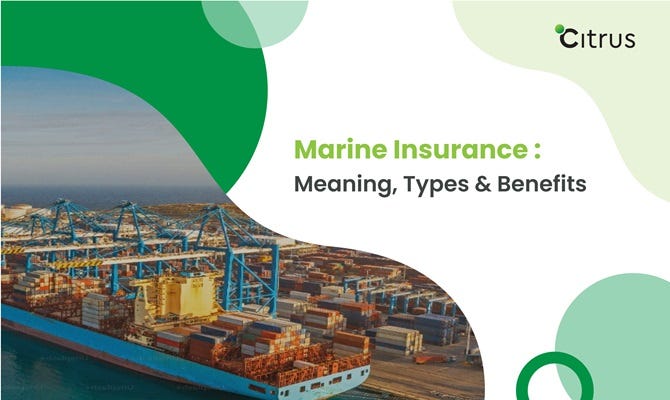
When cargo sets out on its journey across seas, ports, and railheads, it faces a world of uncertainty. From storms and piracy to mishandling and hidden damage, international logistics carries many risks. That’s where marine insurance steps in — a critical safety net for exporters, importers, ship owners, and logistics providers.
What Is Marine Insurance?
Marine insurance is a contract where an insurer compensates the policyholder for loss or damage to vessels, cargo, or freight during transit. It transfers the financial risk from the shipper or owner to the insurer, ensuring that business continuity is maintained even when unexpected events occur.
Why It Matters
- High stakes: Cargo and vessels often represent enormous value; insurance provides a financial safety net.
- Diverse risks: Perils of the sea, piracy, fire, theft, and mishandling are all covered.
- Global trade enabler: Insurance allows exporters and importers to engage confidently in international markets.
- Contractual requirement: Some trade agreements require insurance to protect buyer or bank interests.
Key Principles
- Utmost good faith: Full disclosure of relevant facts is mandatory.
- Insurable interest: The policyholder must have a financial stake in the cargo or vessel.
- Indemnity: Compensation is limited to the actual loss.
- Proximate cause: The insurer covers losses caused by risks specified in the policy.
Types of Marine Insurance
- Hull insurance: Covers damage to the vessel itself.
- Cargo insurance: Protects goods in transit.
- Freight insurance: Covers potential loss of freight revenue.
- Liability insurance (P&I): Covers claims from third parties for injury or damage.
- Policy variations: Voyage, time, mixed, and blanket policies cater to different shipping needs.
Coverage and Exclusions
Covered risks: Storms, collisions, piracy, fire, theft, and mishandling. Exclusions: Wear and tear, delays, willful misconduct, and certain war or nuclear risks.
Choosing the Right Policy
- Assess your specific risks based on cargo, route, and frequency.
- Check policy scope and exclusions carefully.
- Align insurance with trade terms and contractual obligations.
- Choose a reputable insurer and maintain proper documentation for claims.
Why It Matters
In global trade, disruptions are inevitable. Marine insurance protects financial interests, ensures business continuity, and builds trust with buyers and banks. Whether shipping perishables, machinery, or bulk commodities, it’s an essential part of any logistics strategy.
메타데이터
- post_id
- 59bc64ac2ff6
- slug
- marine-insurance-meaning-types-benefits-and-coverage-59bc64ac2ff6
- url
- https://medium.com/@citrusfreight/marine-insurance-meaning-types-benefits-and-coverage-59bc64ac2ff6
- canonical_url
- https://medium.com/@citrusfreight/marine-insurance-meaning-types-benefits-and-coverage-59bc64ac2ff6
- author_url
- https://medium.com/@citrusfreight
- status
- ok
- fetched_at
- 2026-08-10 02:01:52