How to Test a Water Heater Element
A reliable supply of hot water is something most homeowners take for granted — until it suddenly stops working. When showers turn cold or…
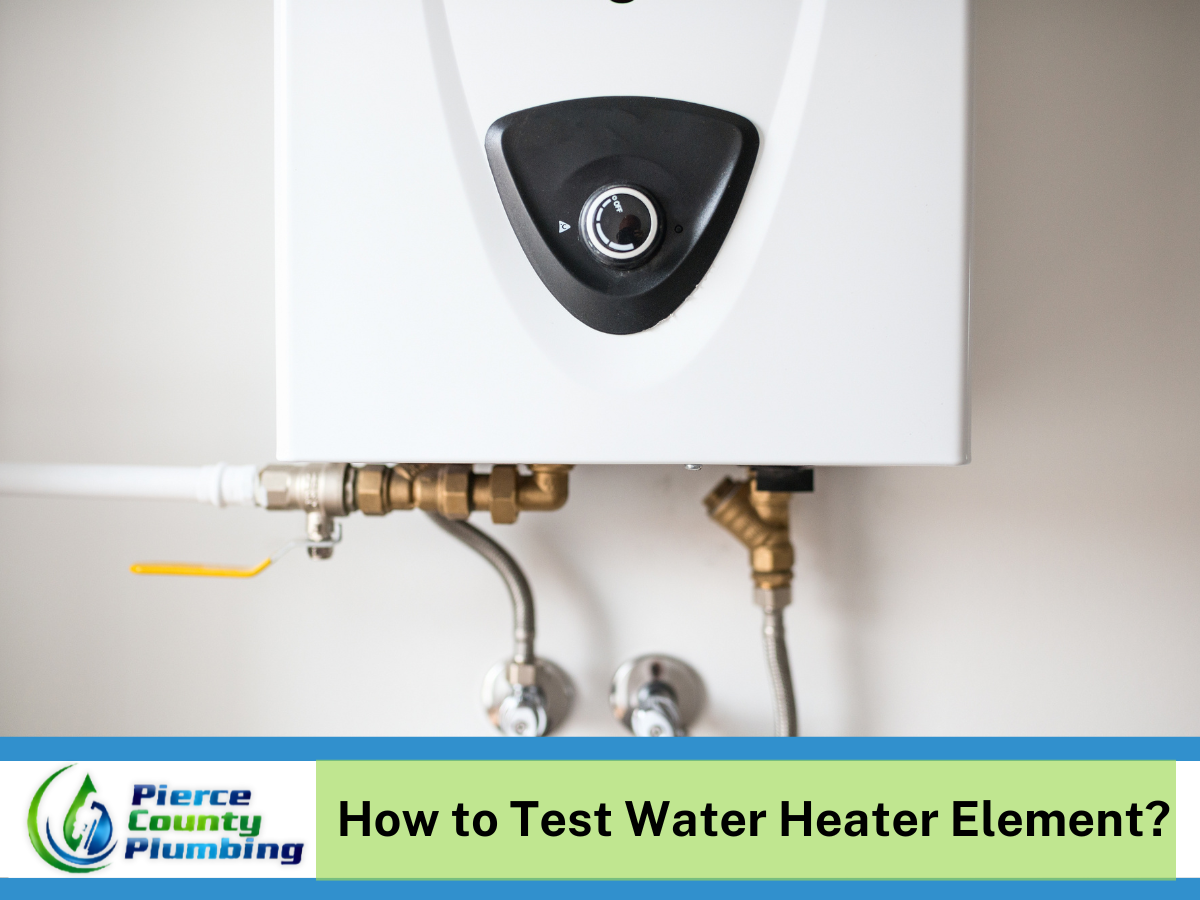
How to Test a Water Heater Element
A reliable supply of hot water is something most homeowners take for granted — until it suddenly stops working. When showers turn cold or sinks no longer heat properly, the problem is often traced back to a faulty heating element inside an electric water heater. Learning how to test a water heater element can help you identify the issue early and decide whether a repair or replacement is needed.
Understanding the Water Heater Element
Inside an electric water heater, one or two heating elements are responsible for warming the water in the tank. Over time, these components can wear out due to regular use, mineral buildup, or electrical issues. When this happens, you may notice inconsistent heating or a complete lack of hot water.
A failing element does not always stop working suddenly. In many cases, performance gradually declines, leading to slower heating and uneven water temperature throughout the home.
Common Signs of a Faulty Element
Before testing, it helps to recognize symptoms of failure. These include water that takes too long to heat, lukewarm or inconsistent temperatures, strange noises from the tank, reduced hot water supply, or discolored water. These warning signs often indicate that one or both heating elements are no longer functioning properly.
Safety First Before Testing
Because water heaters use electricity and hot water, safety is essential. Always turn off the power at the circuit breaker before inspecting the unit. Allow the tank to cool completely to avoid burns. If necessary, shut off the cold water supply as well. Confirm that no electrical current is present before touching any internal parts.
Tools You Will Need
To test a heating element, you only need a few basic tools: a multimeter, screwdriver set, insulated gloves, towels for minor spills, and a voltage tester. The multimeter is the most important tool, as it checks whether the element has continuity and is functioning correctly.
Step-by-Step Testing Process
Start by removing the access panel on the side of the water heater. Carefully expose the heating element and disconnect the wires attached to it. Set your multimeter to resistance (ohms) mode and place the probes on the element terminals.
A working element should show a readable resistance value. If the meter shows zero or no reading at all, the element is likely faulty and needs replacement. Repeat the same process for the second element if your system has two.
After testing, reconnect all wires securely and replace the access panel before restoring power to the unit.
Checking System Performance
Testing the element alone is not always enough. Once reassembled, turn the heater back on and observe how it performs. If water still does not heat properly, the issue may involve sediment buildup, wiring problems, or multiple failing components inside the tank.
Common Mistakes to Avoid
Homeowners often make errors such as testing without turning off power, misreading multimeter results, or skipping safety steps. Another common mistake is checking only one element instead of both. These errors can lead to inaccurate results or even injury.
When to Call a Professional
If testing does not clearly identify the issue or hot water problems continue, professional inspection may be necessary. A licensed technician can diagnose deeper electrical faults, sediment buildup, or full system failure.
Understanding how to test a water heater element helps you catch problems early and maintain a reliable hot water system. However, when in doubt, expert service ensures safe and lasting repairs.
메타데이터
- post_id
- 59d96a773ffb
- slug
- how-to-test-a-water-heater-element-59d96a773ffb
- url
- https://medium.com/@piercceplumbing/how-to-test-a-water-heater-element-59d96a773ffb
- canonical_url
- https://medium.com/@piercceplumbing/how-to-test-a-water-heater-element-59d96a773ffb
- author_url
- https://medium.com/@piercceplumbing
- status
- ok
- fetched_at
- 2026-08-08 06:19:34
