The Psychological Trap of Choosing When to Say I Love You
If you’re waiting for that perfect moment to confess your feelings, you’re missing the point of real intimacy.
Relationship Psychology
The Psychological Trap of Choosing When to Say I Love You
If you’re waiting for that perfect moment to confess your feelings, you’re missing the point of real intimacy.
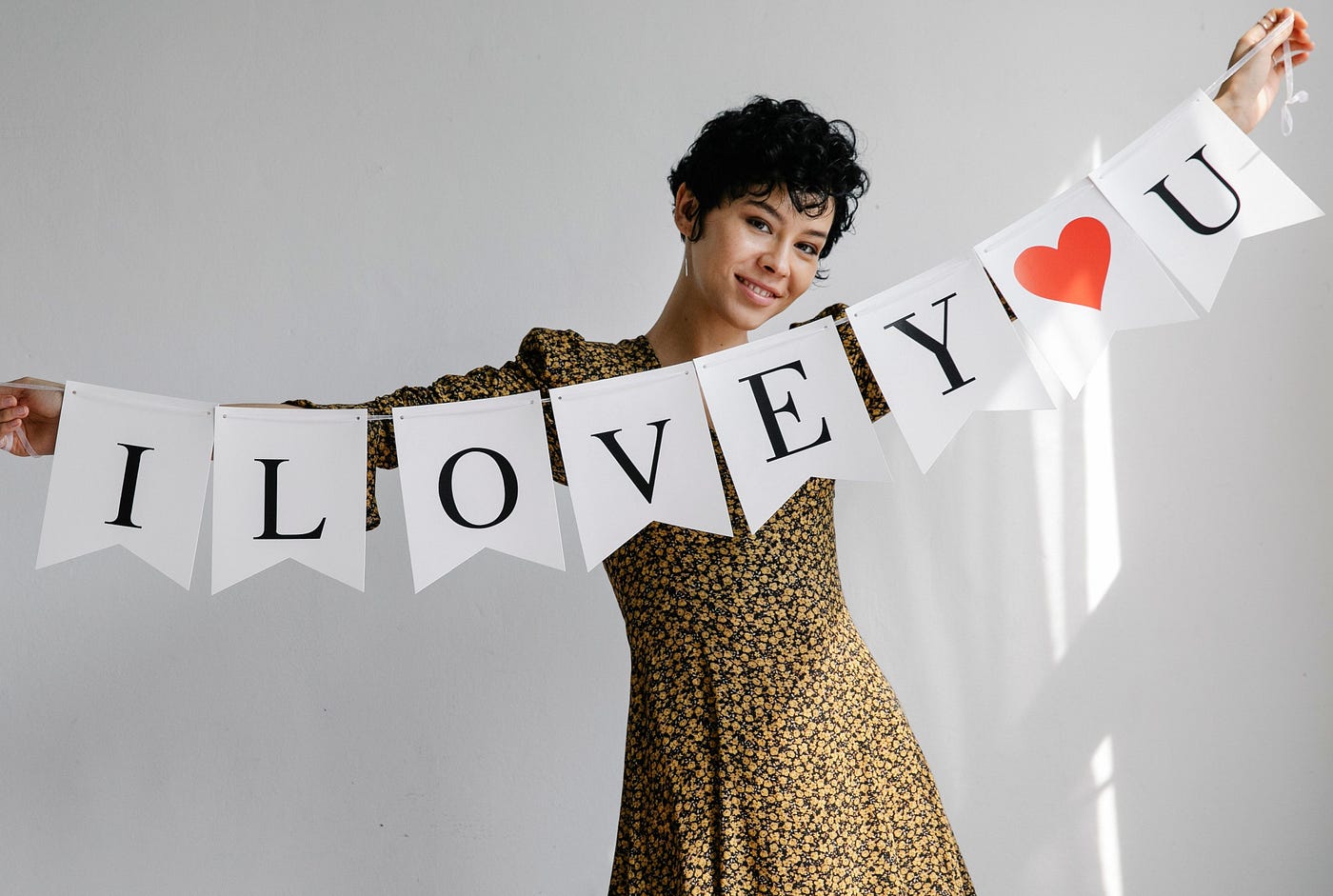
Photo by Michelle Leman from Pexels
There’s a specific tension that builds in the weeks before those three words leave your mouth. You carry them around like something fragile, testing them in your head during quiet car rides and rehearsing them alone in the bathroom mirror.
The question of when to say I love you sits at the back of every conversation, growing heavier the longer you wait.
Most people read this anxiety as a warning sign. They cling to the words, convinced the right moment hasn’t arrived yet. But being afraid is rarely proof that you should keep waiting. It usually means you already know the truth and are delaying because saying it out loud makes it real. That something will have to change in the relationship.
But there’s a cleaner way to read the room. After every date, ask yourself if you feel closer to saying it or if you should wait longer.
How you feel physically can also be a sign. You can feel it in your chest, or maybe the words keep coming up, like you’re about to throw up. Eventually, you have to stop swallowing it.
Three Signs the Right Moment Has Passed
Know that this has nothing to do with how many weeks or months you’ve been together. Trying to map an emotional confession around a timeline just makes it more of a performative gesture than a genuine one.
It’s usually in those quiet moments in how you treat each other when you’re not trying to impress anyone anymore.
So if you’re looking for a cinematic green light, pay attention to these three signs:
You no longer feel like waiting.
There’s a lot of mental gymnastics during the early stages of dating. Like waiting a certain amount of time to text back, or holding back your excitement about something so you don’t look desperate.
After a while, being vulnerable doesn’t feel embarrassing or scary anymore. You just go with what you’re feeling. You realize you’d say those three words simply because they’re true, even if the other person isn’t quite ready to say them back yet.
If you no longer have the urge to keep score, you’re ready.
Your actions are already saying it for you.
Words are a big deal, which is why we tend to hold onto them for a long time. But what if you’ve already crossed the line? Maybe you’re adjusting your weekend plans around them, driving across town in the middle of a bad storm to drop off food, or taking care of them when they’re sick.
Remember, actions speak louder than words. If you’re consistently showing up for the messy parts of their life, **then you’re not waiting to love them**. You’re already doing it.
Being completely bored feels fine.
Early on, you might have had the tendency to constantly entertain each other with fancy dinner dates and planned activities. But the real turning point is when you can hang out on a random afternoon and still enjoy each other’s company.
You no longer feel like you have to impress them, but you still want to be in the same room. That right there is your cue.
Only You Know When to Say I Love You
A slow burn relationship is the kind where your romantic connection gradually develops over time. You learn to prioritize feelings of safety, comfort, and deep compatibility. In other words, you have a deeper foundation that grew beyond that first spark.
Relationship researcher Caryl Rusbult developed the Investment Model of Commitment, showing that long-term relationships last on more than just chemistry. Her work suggests that commitment depends on three things: how satisfied you feel, how much you’ve already put in, and how appealing (or not) your other options seem.
Saying “I love you” is therefore one of the clearest ways to signal that commitment out loud. It lands best when you’ve seen enough of each other’s ordinary days, moods, and humor.
When you have that kind of connection, you stop waiting for the perfect moment. Those three words feel earned because of what you’ve already shared and been through.
Knowing when to say I love you shouldn’t be a test or feel like a waiting game. You say it when it’s the obvious truth.
References
Rusbult, Caryl E., Christopher Agnew, and Ximena Arriaga. 2011. “The Investment Model of Commitment Processes.” Department of Psychological Sciences Faculty Publications. Paper 26. https://docs.lib.purdue.edu/psychpubs/26.
Other related read
메타데이터
- post_id
- 59f9ab0595db
- slug
- the-psychological-trap-of-choosing-when-to-say-i-love-you-59f9ab0595db
- url
- https://medium.com/@angelsofpassion/the-psychological-trap-of-choosing-when-to-say-i-love-you-59f9ab0595db
- canonical_url
- https://medium.com/@angelsofpassion/the-psychological-trap-of-choosing-when-to-say-i-love-you-59f9ab0595db
- author_url
- https://medium.com/@angelsofpassion
- status
- ok
- fetched_at
- 2026-07-19 03:09:49