Some Thoughts I’ve Been Sitting With About Taaruf
I’m sharing this simply as a personal reflection. Not advice, not conclusions, and not something I expect everyone to agree with. Just a…
Some Thoughts I’ve Been Sitting With About Taaruf
I’m sharing this simply as a personal reflection. Not advice, not conclusions, and not something I expect everyone to agree with. Just a few thoughts shaped by experience, conversations, and a lot of quiet du’a.
One thing I keep coming back to is this: hearts belong to Allah. Guidance doesn’t always come clearly or quickly, and sometimes understanding arrives only after a period of uncertainty.
A few things I’ve learned along the way
- Intention matters, and readiness matters too I’ve learned that people can have sincere intentions and still be at very different stages of readiness. Wanting marriage and being ready for it are not always the same thing. Readiness often shows up in emotional awareness, responsibility, and how someone communicates when things feel uncomfortable.
- Criteria and expectations need gentle reflection I’ve realised that having criteria is very natural. We all come with hopes, values, and things that matter to us. At the same time, I’ve learned that it helps to look at where those expectations come from. Some are rooted in faith and long-term compatibility, while others quietly come from comparison, fear, or ideal images we may not even notice at first. What I’ve also noticed is that expectations can shift once real conversations begin. Things that felt essential early on may soften, and things that seemed small may turn out to matter more. Allowing expectations to evolve doesn’t feel like lowering standards to me. It feels more like allowing honesty and reality to enter the process.
- Accessingg deal-breakers honestly : One thing I am still learning is to be honest with myself about deal breakers. Rejection can hurt, but I have realised that delaying clarity can sometimes lead to deeper pain. When something truly cannot be compromised, continuing out of hope or hesitation may quietly make the ending heavier for both people.I have also learned to ask myself whether I am someone who can take risks with certain criteria, or someone who needs more certainty. Some things may grow with time, while others are foundational.
- Feelings don’t disappear just because the process is halal Even in taaruf, emotions can be mixed. There can be excitement, hope, hesitation, and sadness all at once. From my experience, having these feelings doesn’t mean something is wrong. Acknowledging them gently often helps more than pretending they aren’t there.
- Clear communication usually helps I’ve noticed that things tend to feel heavier when situations are left unclear. Honest and respectful communication, even when it’s difficult, often reduces unnecessary hurt. Silence or uncertainty can linger and quietly cause more confusion.
- Support feels safest when it’s calm Support from family or friends can make a big difference. From what I’ve seen, it helps most when it comes without pressure. Calm conversations and trust can make an already sensitive process feel lighter.
- Timelines don’t always align Sometimes taaruf happens while studies are ongoing, careers are still developing, or distance makes things complicated. Waiting can feel uncomfortable, especially when feelings are already present. In those moments, staying mindful of boundaries can help protect the heart. Choosing not to move into a haram relationship while waiting often feels less about restriction and more about self-respect and sincerity.
- Distance can sometimes be a form of care I’ve learned that stepping back, giving space, and returning things to du’a can be an act of trust. Distance chosen for Allah doesn’t always mean loss. Sometimes it brings clarity or protects both people from deeper hurt.
- Everything eventually returns to Allah Hearts change, feelings shift, and plans don’t always unfold as expected. What continues and what ends both happen with wisdom, even when that wisdom isn’t clear at the time. Du’a doesn’t stop just because conversations stop.
A closing reflection
Not every taaruf leads to marriage, and that doesn’t always mean something went wrong. Some experiences are meant to teach clarity, patience, boundaries, or a better understanding of what we truly need.
What feels heavy now may later feel like protection. What feels delayed may turn out to be preparation.
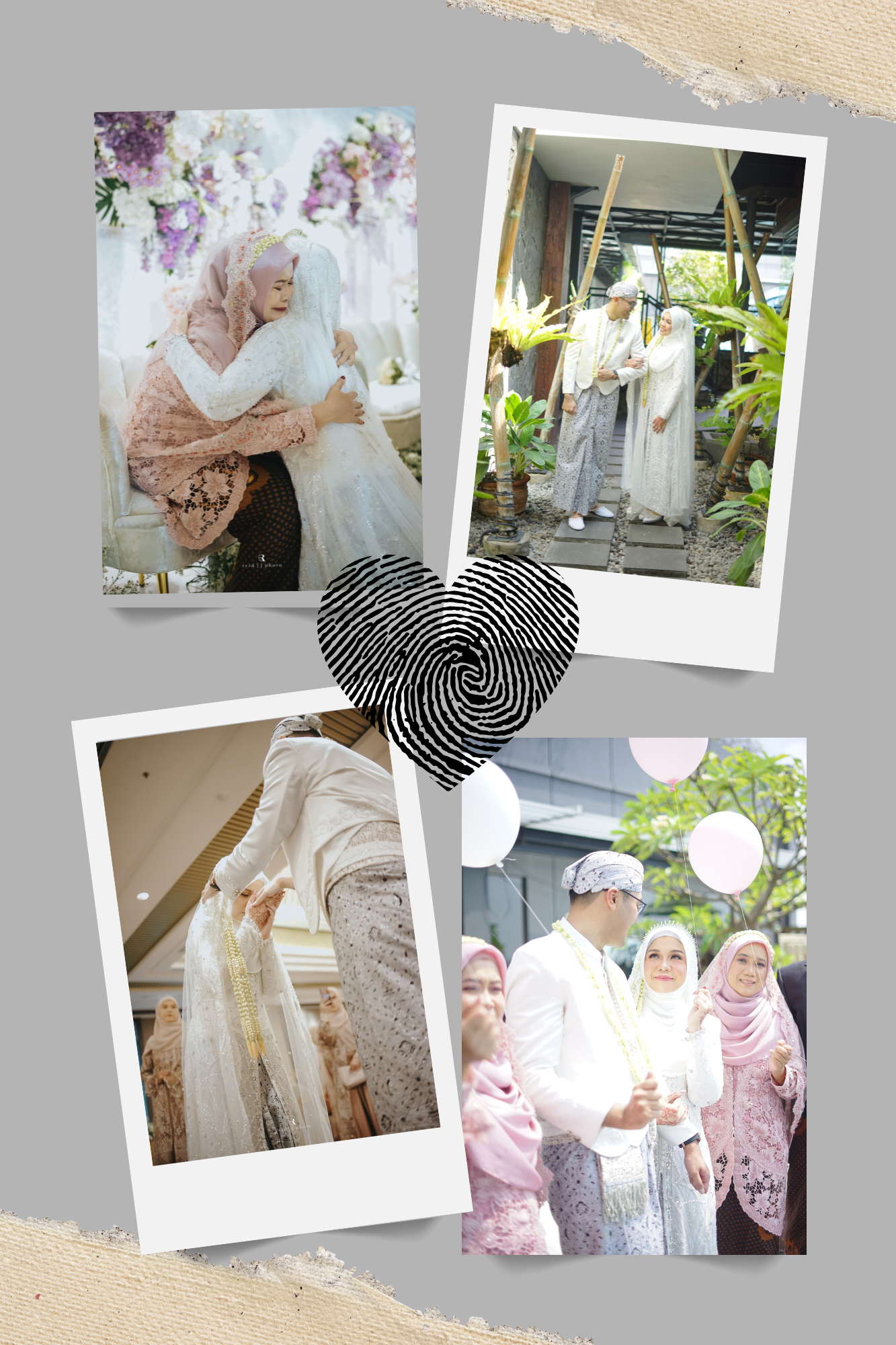
Alhamdulillah. Allahumma barik :)
For me, the most grounding approach has been to stay honest, even when honesty feels uncomfortable. I try to be gentle with myself and with others, and to return to du’a when I don’t have clear answers. I don’t always understand why things unfold the way they do, but the Qur’an reminds me that what I dislike may carry goodness, and what I desire deeply may not. I also return to the reminder of the Prophet ﷺ that love finds its best place within what is halal, even when that means waiting longer than I hoped. Holding onto these reminders doesn’t make the process easy, but it helps me trust Allah when things slow down, change direction, or quietly come to an end.
Sydney, 24th Jumadil Akhir 1447 H
메타데이터
- post_id
- 5a1414dcfb05
- slug
- some-thoughts-ive-been-sitting-with-about-taaruf-5a1414dcfb05
- url
- https://medium.com/@diahkurniawati895/some-thoughts-ive-been-sitting-with-about-taaruf-5a1414dcfb05
- canonical_url
- https://medium.com/@diahkurniawati895/some-thoughts-ive-been-sitting-with-about-taaruf-5a1414dcfb05
- author_url
- https://medium.com/@diahkurniawati895
- status
- ok
- fetched_at
- 2026-07-14 16:21:26